
Endocrine Oncology

Welcome to the summer 2026 issue of touchREVIEWS in Endocrinology. In this issue, we bring together articles that reflect the evolving complexity of endocrine and metabolic disease, while highlighting the growing importance of patient-centred care, translational science and interdisciplinary management. We ...
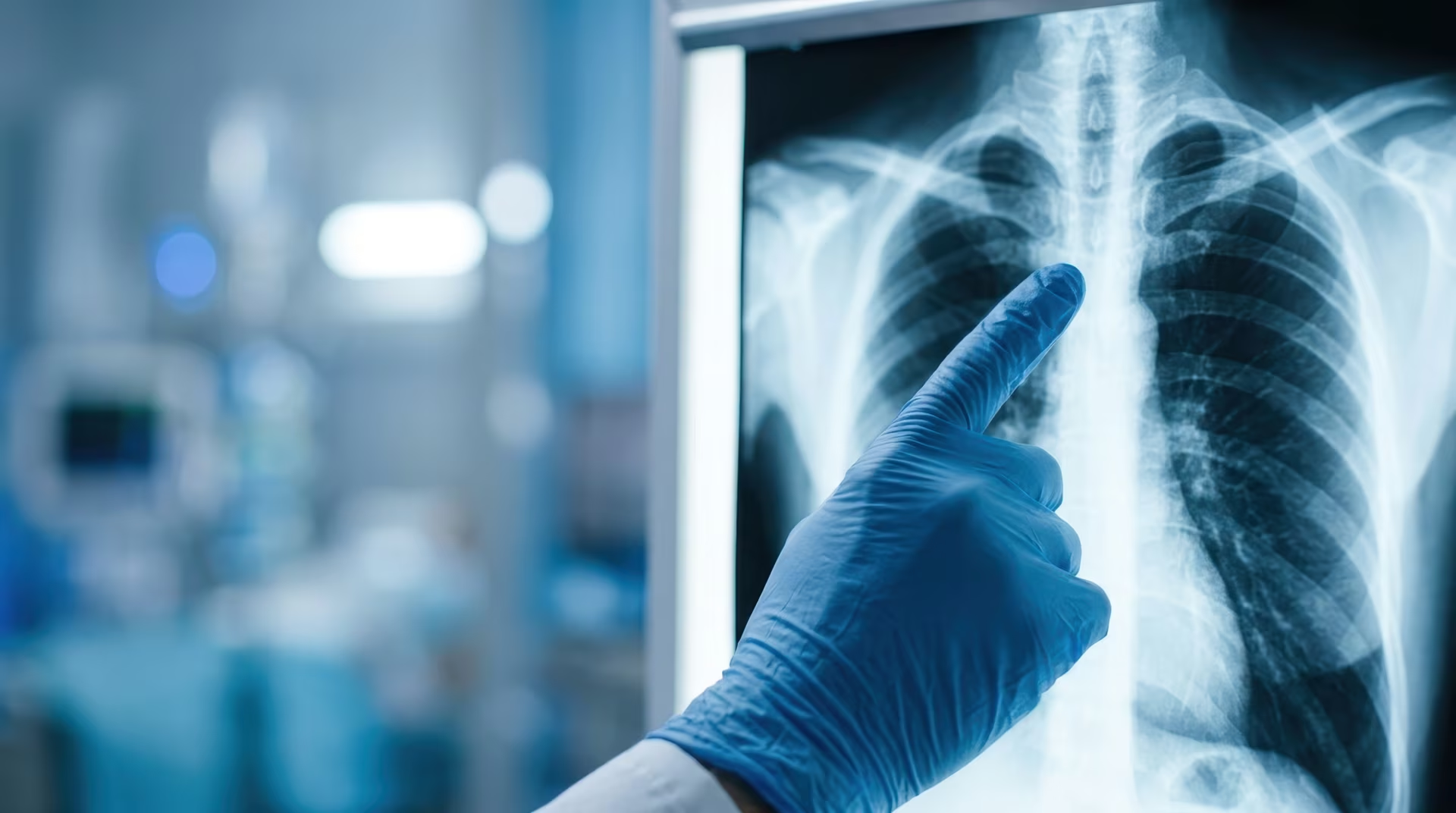
Pathophysiology of X-linked hypophosphataemia X-linked hypophosphataemia (XLH) is a progressive skeletal disorder, originally defined by Albright in 1937 as hypophosphataemic vitamin D rickets.1 XLH is the commonest form of inherited rickets/osteomalacia and is an X-linked dominant condition.2 The most common ...

In this roundup, members of the touchNDOCRINOLOGY Expert Faculty share their perspectives on the advances that shaped research and practice over the past year, highlighting a discipline in transition and looking ahead to the opportunities of 2026.


In this Future Leader Q&A, Dr Pedro Marques shares insights from his pioneering work in pituitary tumour endocrinology, highlighting the impact of mentorship, international collaboration and advances shaping the future of personalized endocrine care.

Physician burnout is at a critical point. In this episode, Nicky speaks with Dr Alfred Atanda about why so many physicians are burning out and what can be done to change the trend. From personal experience to system-wide solutions, Dr Atanda shares valuable insights on improving physician well-being and building a more effective healthcare culture.
Dr Svenja Nölting shares how her international experiences and dedicated mentors shaped her career in neuroendocrine oncology, discusses the profound impact of hormones on the body, and highlights the future of precision medicine in tailoring treatments for endocrine disorders.
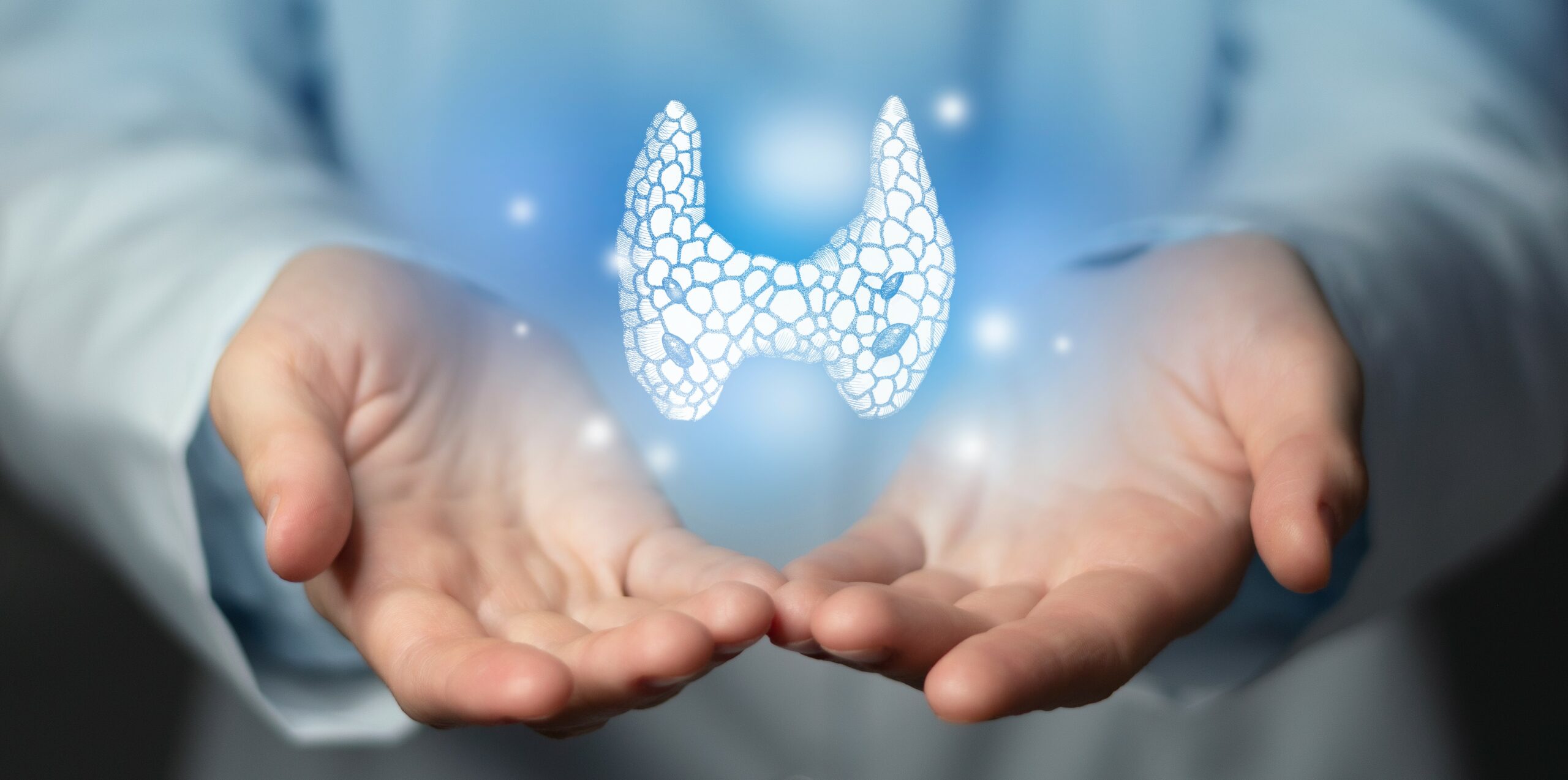
Thyroid nodules are common worldwide, and their prevalence is increasing. Most nodules are asymptomatic and detected incidentally on cross-sectional imaging or physical examination. In rare cases (10–15%), nodules are malignant and require diagnostic evaluation. Even malignant nodules frequently show non-aggressive behaviour.1 ...
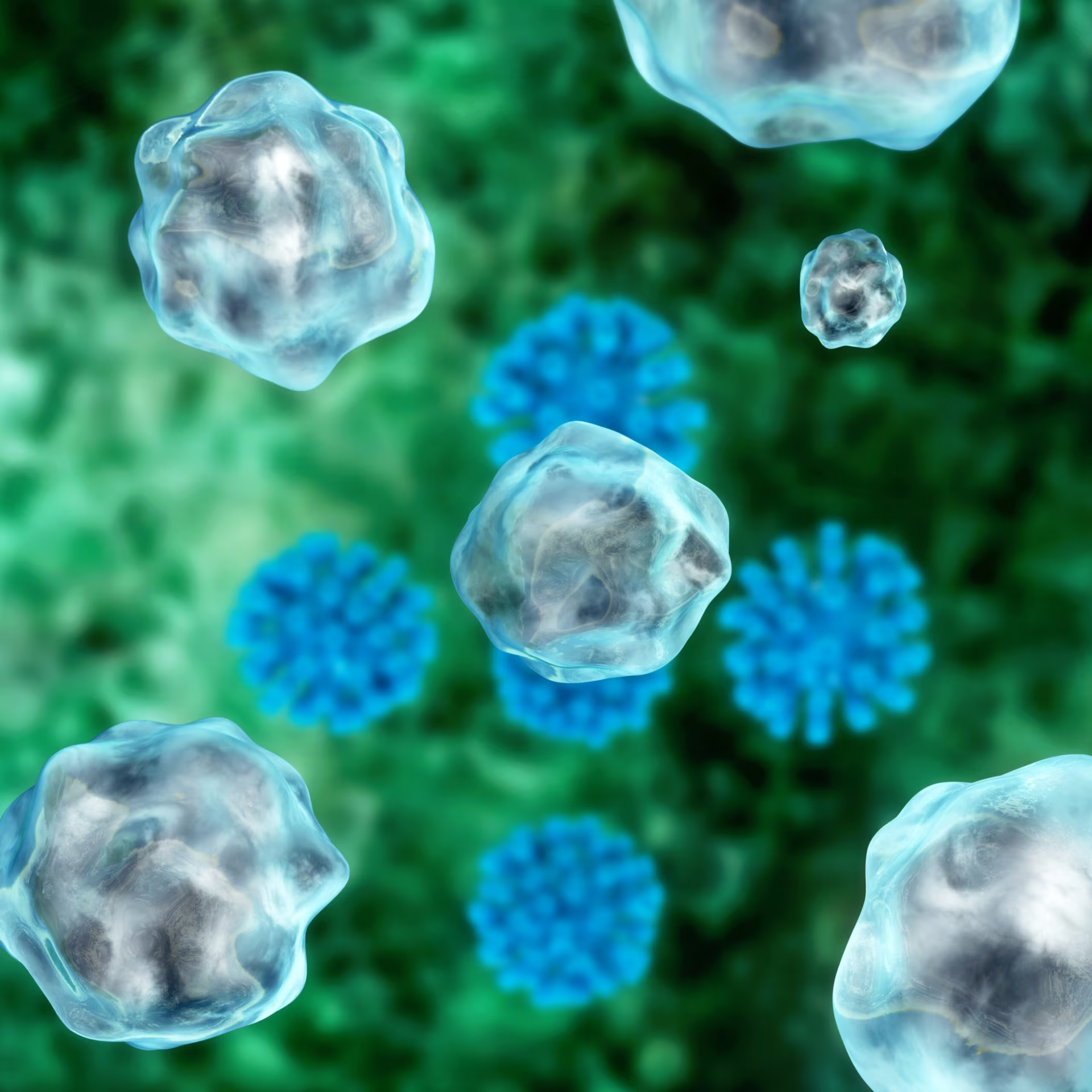
Burkitt lymphoma (BL) is a non-Hodgkin B-cell lymphoma originating from the germinal center, characterized by dysregulation of the MYC gene, often resulting from the translocation of chromosome 8 into 14. It is extremely aggressive, representing the fastest proliferating cancer, and typically involves ...


Pituitary tumours (PTs) are located in the sella turcica, which surrounds the adenohypophysis and neurohypophysis. PTs range from asymptomatic incidentalomas to symptomatic aggressive neoplasms, such as invasive neoplasms or pituitary carcinomas.1 Symptomatic lesions can be characterized either by hormonal overproduction ...

Following a scientific primer, the role of radiopharmaceuticals in the management of neuroendocrine tumours and prostate cancer, alongside approaches to support clinical implementation, are explored by leading experts.

Thyroid nodules arising in the isthmus are more likely to be malignant and demonstrate more aggressive behavior relative to thyroid nodules from either thyroid lobe. touchENDOCRINOLOGY were joined by Dr Sina Jasim (Washington University, St Louis, MO, USA) to discuss ...

Bladder cancer (BC) is the second most commonly diagnosed urological neoplasm worldwide.1 Approximately 10–15% of patients already have metastases in lymph nodes, lungs, liver and bones at diagnosis.2,3 Metastatic BC has a poor prognosis, with a 5-year overall survival (OS) rate ...

New exciting therapies for neuroendocrine tumours include the introduction of RET inhibitors for medullary thyroid cancer and belzutifan for metastatic pancreatic neuroendocrine tumours. We were delighted to speak with our editorial board member Prof. Ashley Grossman (University of Oxford, Oxford, ...

Multiple endocrine neoplasia type 1 (MEN1) is an inherited tumour endocrine syndrome, with the parathyroid glands, anterior pituitary gland and pancreas as the main sites of MEN1-related neuroendocrine tumours (NETs). MEN1 is inherited in an autosomal dominant manner, with 90% of ...


Log into your Touch Account
Keep track of your clinical interests and newsletter subscriptions.
Sign up with an Email
Or use a .
Register now for FREE access
Already registered? Login below.
