Welcome to the summer 2026 issue of touchREVIEWS in Endocrinology. In this issue, we bring together articles that reflect the evolving complexity of endocrine and metabolic disease, while highlighting the growing importance of patient-centred care, translational science and interdisciplinary management.
We open the issue with a timely commentary by Huajing Ni et al., which examines the changing landscape of type 1 diabetes care. The authors explore how advances in diabetes technology and adjunctive therapies are reshaping outcomes for people living with type 1 diabetes. Importantly, they call for regulatory and policy frameworks to evolve beyond traditional glycated haemoglobin-based endpoints to better capture patient experience, cardiometabolic risk reduction and quality-of-life outcomes.
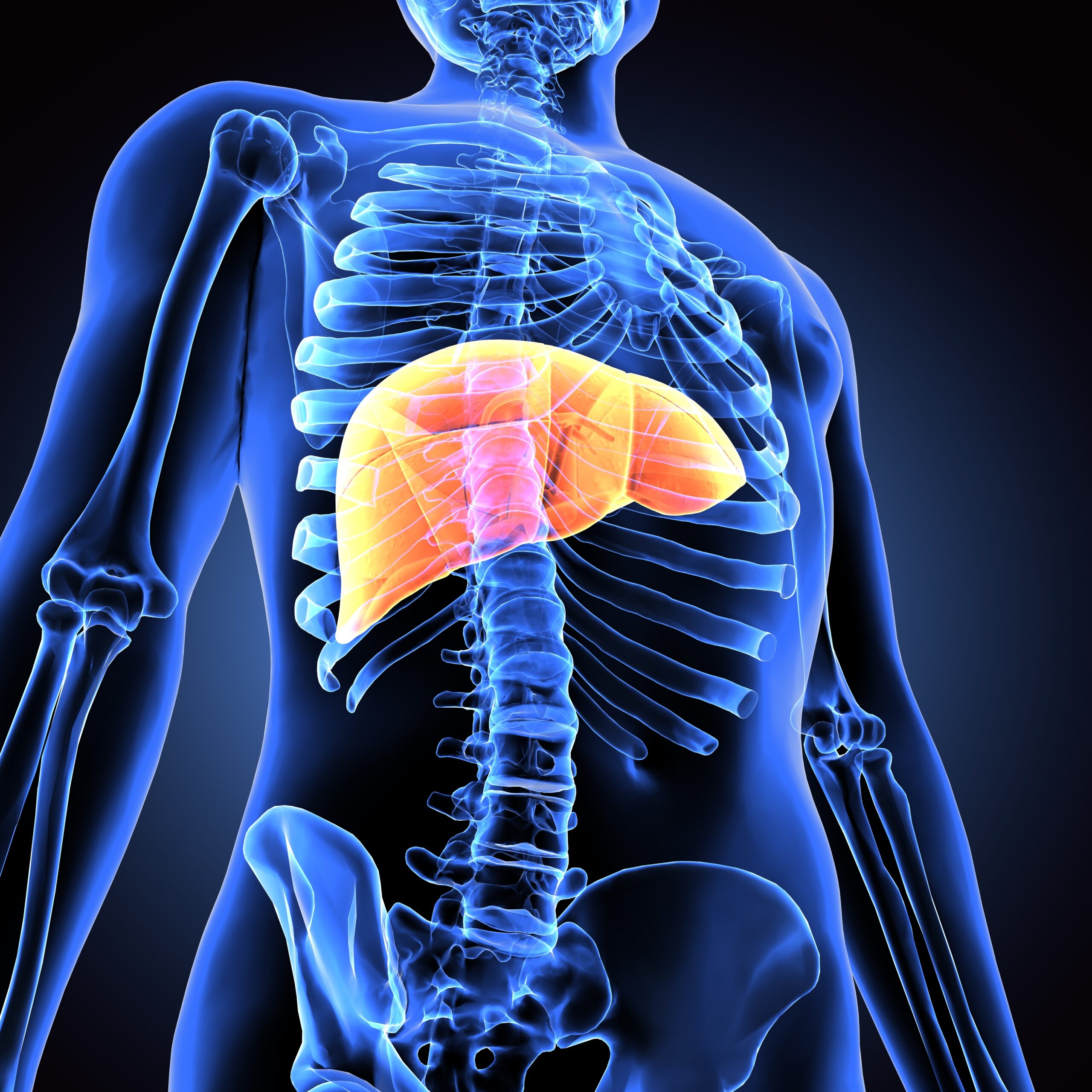
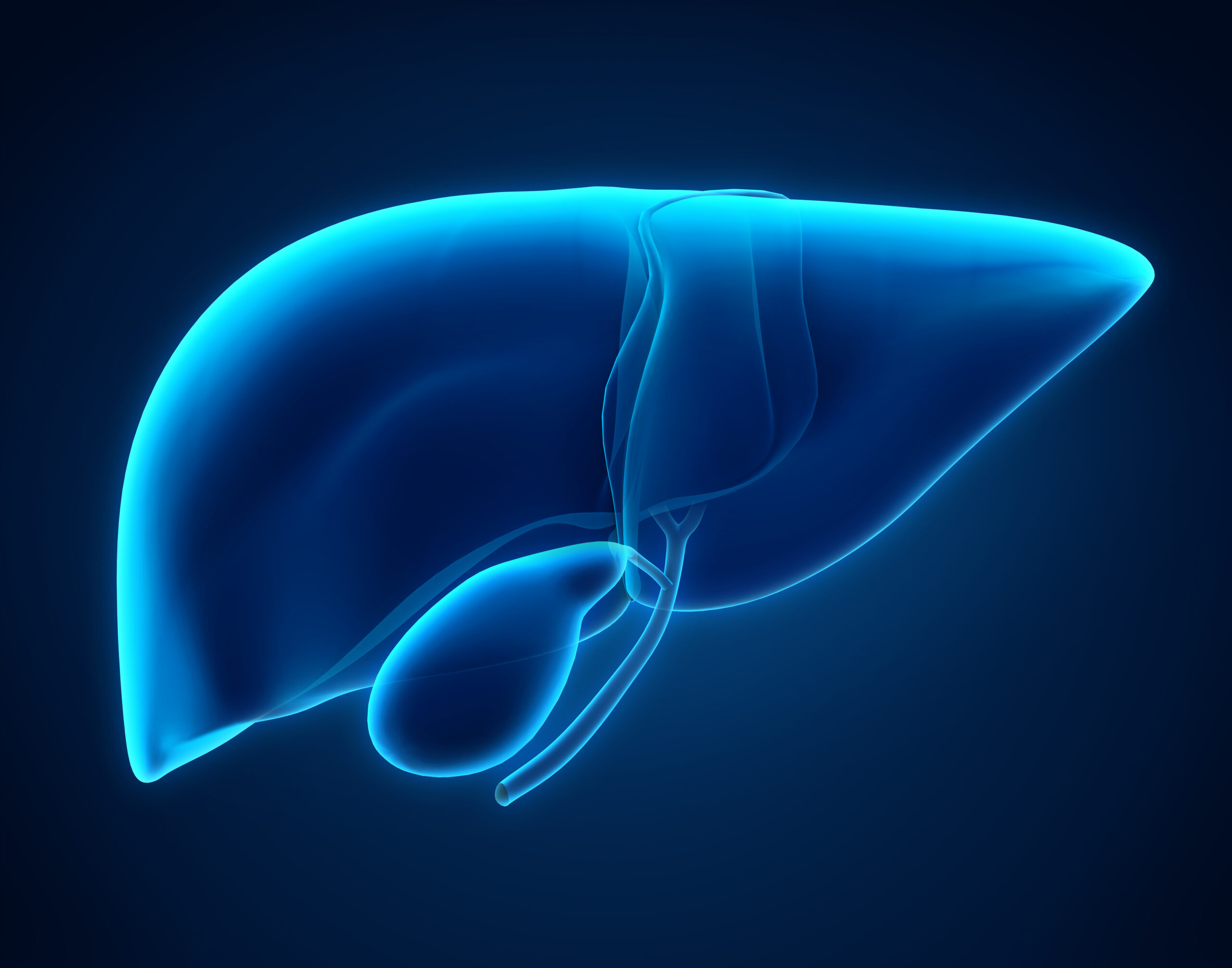
In her editorial, Lung-Yi Loey Mak considers the increasingly recognized role of metabolic dysfunction across chronic liver diseases. By examining the broader concept of liver–cardiovascular–kidney–metabolic syndrome, the article highlights how obesity, diabetes and related metabolic abnormalities influence disease progression and treatment outcomes well beyond metabolic dysfunction-associated steatotic liver disease.
Several reviews in this issue address the intersection of endocrinology with bone, kidney and metabolic health. First, Sharma et al. propose the CKD-OSTEO score, a novel chronic kidney disease-specific tool designed to improve osteoporosis risk stratification and guide treatment decisions in a population with unique skeletal and vascular challenges. Black et al. provide an overview of burosumab therapy for adults with X-linked hypophosphataemia and tumour-induced osteomalacia, discussing the expanding therapeutic possibilities for these rare but highly burdensome
conditions.
In this issue, we also look at the growing impact of incretin-based therapies. Jena et al. present a comprehensive meta-analysis of real-world evidence evaluating oral semaglutide in diabetes and obesity management, demonstrating meaningful improvements in glycaemic control, body weight and cardiometabolic parameters across diverse populations. Complementing this discussion, Colin and Pozdzik review the increasingly apparent links between obesity, metabolic syndrome, diabetes and kidney stone disease, emphasizing the shared pathophysiological basis of insulin
resistance and systemic inflammation.
Autoimmunity and diagnostic innovation are further explored in a review by Parveen et al. on the pragmatic use of thyroid autoantibodies in clinical practice, providing an important update on the expanding clinical applications of thyroid antibody testing, while emphasizing the need for context-specific interpretation in everyday endocrine care.
Finally, Chauhan et al. examine surrogate markers for insulin resistance in resource-limited settings, comparing Homeostatic Model Assessment of Insulin Resistance (HOMA-IR) and the triglyceride–glucose index in identifying metabolic syndrome. Their findings underscore the importance of accessible and cost-effective diagnostic tools in addressing the growing global burden of metabolic disease.
Collectively, the articles in this issue highlight the breadth of contemporary endocrinology, from rare metabolic bone disorders to population-level metabolic challenges. We hope this issue provides valuable insights for clinicians, researchers and allied healthcare professionals, and continues to support improved patient care through evidence-based practice and innovation.
We want to thank all authors, reviewers and readers for their continued support of touchREVIEWS in Endocrinology and hope you enjoy this issue.
John Doupis
Dr John Doupis is a former clinical research fellow of the Joslin Diabetes Center, Harvard Medical School, in Boston, MA, USA and scientific partner in Beth Israel Deaconess Foot Center Harvard Medical School, Boston, MA. Currently, he is directing the Diabetes Division and Clinical Research Center of Iatriko P. Falirou Medical Center in Athens, Greece. He has served as a principal investigator in many multicentre phase I, II, III and IV clinical trials, most of which have been published in international journals or presented at congresses. He is a registered reviewer and a member of the editorial board for many major diabetes medical journals. He has given numerous lectures in national and international congresses, presenting over 200 abstracts. His special areas of interest are diabetes and its complications, especially obesity, diabetic neuropathy, diabetic foot, as well as the glucose sensing technologies and insulin pumps. In these fields, he has published more than 50 papers in international medical journals, having more than 1,500 citations.