The 2026 AACE Annual Meeting showcased emerging evidence and evolving clinical guidance that are redefining approaches to diabetes, obesity and patient-centred endocrine care.
The 2026 American Association of Clinical Endocrinology (AACE) Annual Meeting showcased the latest developments shaping endocrine care, with a strong focus on innovation, multidisciplinary practice and earlier intervention across metabolic disease.
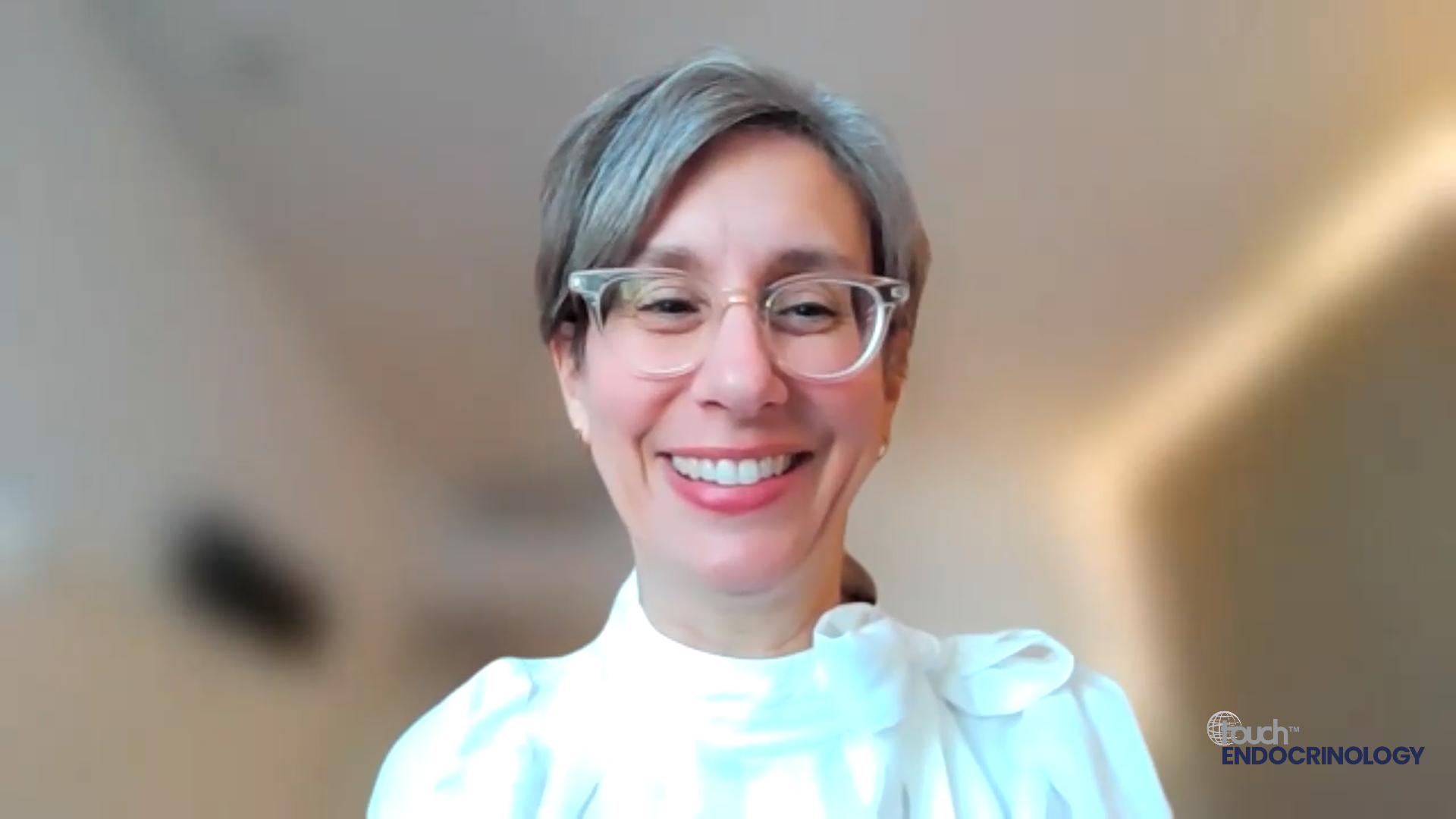
In this interview, Diana Isaacs, member of the touchENDOCRINOLOGY Editorial Board and Endocrine Care Team representative on the AACE Board of Directors, reflects on her personal highlights from the meeting. She discusses key updates in diabetes management, including changes to the AACE diabetes algorithm and greater recognition of secondary causes of diabetes, alongside emerging evidence in obesity treatment and diabetes technology. Diana also shares insights from sessions on early-stage type 1 diabetes and considers future priorities for endocrinology research, including evolving approaches to defining and managing prediabetes. The AACE Annual Meeting was fantastic. This was my first year on the AACE Board of Directors. I am serving as the Endocrine Care Team representative, and I am so impressed with how AACE is emphasizing team-based care and the value of everyone on the team. A few presentations that really stood out to me were the debate about use of continuous glucose monitor (CGM) in gestational diabetes by Dr Kevin Borst and Dr Sarit Polsky. Dr Lubaina Presswala gave an excellent presentation about perioperative use of diabetes technology and included new data from a survey the AACE Diabetes Disease State Network developed with the leadership of Dr Presswala. I also love the year in review, the ones on obesity and nutrition and diabetes were particularly interesting to me. The new AACE diabetes algorithm is very impressive and has some new components that I believe will directly influence clinical practice. One in particular is looking at secondary causes of diabetes. While type 2 diabetes is the most common form of diabetes, many adults with type 1 diabetes may be misdiagnosed as having type 2 diabetes since the loss of beta function is often slower progressing in adults. Additionally, they mention other possible causes such as MODY, pancreatic diabetes and hypercortisolism. I think hypercortisolism is especially an important new area as we saw from the CATALYST trial that many more people have hypercortisolism than we initially thought. By treating the root cause either through surgery or medication management, that can improve diabetes management. There is a lot of new data related to the powerful GLP-1 drugs, semaglutide and tirzepatide. For example, we now have cardiovascular data from SURPASS-CVOT on tirzepatide. There are also several agents in the pipeline, like retatrutide, servodutide, maritide, and cagrilinitide-semaglutide, just to name a few. I had the privilege to chair Dr Linda DiMeglio’s keynote presentation titled, “Early-Stage Type 1 Diabetes: Screening, Monitoring, Treatments and Future Directions.” She was the recipient of the Alan J. Garber Lectureship award. It was exciting to hear all the current treatments available like teplizumab, but also other treatments in the pipeline for treatment of early-stage type 1 diabetes. For multiple years, we hosted the hands-on diabetes technology workshop. This was a 3-hour workshop designed to gain hands-on experience with all the insulin pumps, CGMs, connected pens and other devices like inhaled insulin and patch pumps. This is paired with an online component where participants can earn a diabetes technology certificate. My areas of interest are obesity and type 2 diabetes. I think AACE has been on the cutting edge of keeping these guidelines updated. As new therapies and technologies come out, I look forward to more updates. One particularly thought-provoking presentation was delivered by Viral Shah on the potential reclassification of prediabetes. Since prediabetes is associated with increased cardiovascular risk, there is interest in developing a staging framework similar to that used in type 1 diabetes. We will hopefully see more consensus on how prediabetes is defined, staged and managed could help inform future guidelines and support earlier, more targeted intervention strategies. Already registered? Login below.
What were your personal highlights from the AACE Annual Meeting, and which presentations or themes stood out most in endocrine care this year?
Were there any key updates in diabetes management presented at AACE that you believe will directly influence clinical practice?
What were the most notable advances discussed in obesity management, and how are they reshaping your approach to treatment selection and patient-centered care?
What were your favorite sessions?
Looking ahead, what unanswered questions or research gaps highlighted at AACE do you think should be priorities for future endocrinology research and guideline development?
This content has been developed independently by Touch Medical Media for touchENDOCRINOLOGY. It is not affiliated with the American Association of Clinical Endocrinology (AACE). Views expressed are the speaker’s own and do not necessarily reflect the views of Touch Medical Media.
Disclosures: Diana Isaacs discloses that she is a speaker for Sanofi, Novo Nordisk, Eli Lilly, Insulet, Beta Bionics, and Twiist.
Cite: Diana Isaacs shares her highlights from AACE 2026. touchENDOCRINOLOGY. 31 May 2026.
Editor: Carla Junkier, Editorial Director.