Trending Topic

2 mins

Trending Topic

Developed by Touch
Mark CompleteCompleted
BookmarkBookmarked

Welcome to the latest edition of touchREVIEWS in Endocrinology, which features a diverse selection of editorials, reviews and original research articles exploring current developments in endocrine and metabolic care, from evolving diagnostic approaches to advances in treatment and the challenges of translating evidence into clinical practice. We begin with an editorial from Matos and colleagues, […]

An independent educational grant from Alexion Pharma GmbH.

Jointly provided by Partners for Advancing Clinical Education and touchIME.

touchIME is an EBAC® accredited provider.

Latest Activities

Downloads

Activities
Downloads
Activity 2

Cardiac amyloidosis in the MDT era: Getting the AL vs. ATTR diagnosis right3

Learning Objectives
Launched Oct 22, 26
41 mins
3 Modules

Cardiac amyloidosis in the MDT era: Getting the AL vs. ATTR diagnosis right

View Modules

Multidisciplinary discussion on achieving an accurate diagnosis of AL vs. ATTR in cardiac amyloidosis.

Activity Modules

Close

Building a shared AL vs. ATTR diagnostic pathway

Duration: 13:09

Integrating emerging AL therapies into real‑world MDT decisions

Duration: 13:13

Operationalizing the cardiac amyloidosis MDT

Duration: 14:27
Activity 1

Beyond ATTR in Japan: Accurate diagnosis of cardiac AL in the TTR stabilizer era3

Learning Objectives
Launched Jul 30, 26
9 mins
Module 1 1 Module

Recognizing cardiac AL beyond ATTR patterns

View Chapters
Expert insights on recognizing clinical and imaging red flags for cardiac AL and distinguishing these from overlapping ATTR presentations in Japanese patients with heart failure (recorded in Japanese, with an English-dubbed version and English slides available).

Activity Modules

Close

Introduction

How does cardiac amyloidosis present in Japanese heart failure populations?

Which clinical red flags should raise your suspicion towards a diagnosis of cardiac AL vs. ATTR?

What imaging clues should prompt reconsideration of a presumed ATTR diagnosis?

What is the JCS diagnostic algorithm and how does it support confidently ruling out cardiac AL?

What examples have you seen in your clinic where poor recognition of these features has impacted the diagnosis of AL?

7 mins
Module 2

Applying the JCS algorithm before TTR stabilizers

View Chapters
Practical guidance on applying the JCS diagnostic algorithm, including monoclonal protein testing, biopsy and amyloid typing, to exclude AL before starting TTR stabilizers (recorded in Japanese, with an English-dubbed version and English slides available).

Activity Modules

Close

Introduction

Duration: 0:17

How should the JCS algorithm be applied to achieve a diagnosis of cardiac AL?

Duration: 2:34

At which point in the diagnosis of cardiac amyloidosis should cardiac AL vs. ATTR be distinguished?

Duration: 1:44

What are some of the frequent pitfalls that Japanese clinicians encounter when identifying cardiac amyloidosis?

Duration: 1:01

What are some clear triggers for urgent referral to hematology and/or MDT discussion?

Duration: 2:21
9 mins
Module 3

Avoiding misdiagnosis in the TTR stabilizer era

View Chapters
Expert perspectives on navigating diagnostic pitfalls, including coexisting MGUS and ATTR, and recognizing when urgent hematology referral and multidisciplinary review are needed (recorded in Japanese, with an English-dubbed version and English slides available).

Activity Modules

Close

Introduction

Duration: 0:17

How has the expanding use of TTR stabilizers impacted the diagnosis of cardiac AL?

Duration: 2:14

What are some common clinical scenarios where misdiagnosis can frequently occur?

Duration: 2:03

What are your tips and tricks to enable clinicians to minimize diagnostic errors to prevent misuse of TTR stabilizers?

Duration: 2:21

How can closer collaboration between cardiology and hematology improve outcomes for patients with cardiac AL?

Duration: 2:47
Activity 1

Beyond ATTR in Japan: Accurate diagnosis of cardiac AL in the TTR stabilizer era

Launched Jul 30, 26

Expert Faculty5

Learn directly from experts in the field of Kidney Disorders

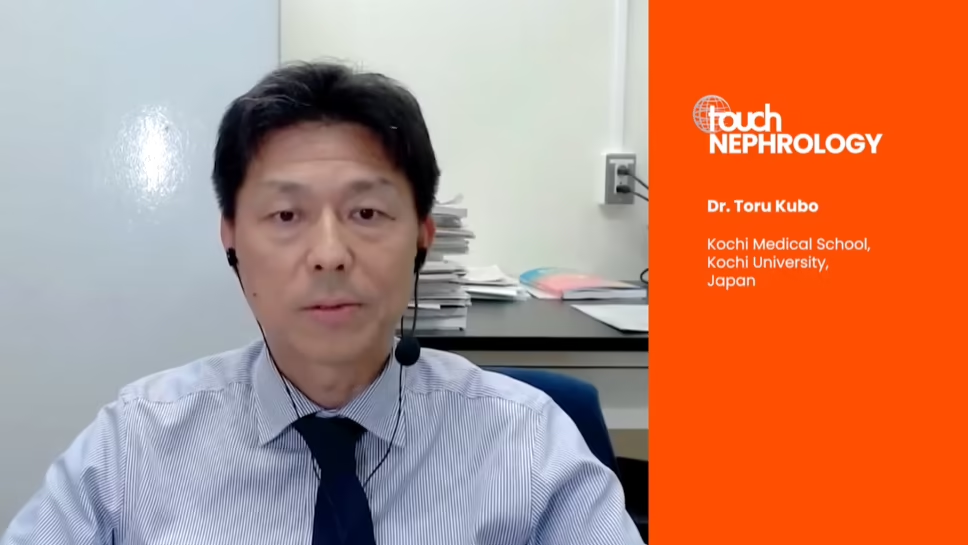
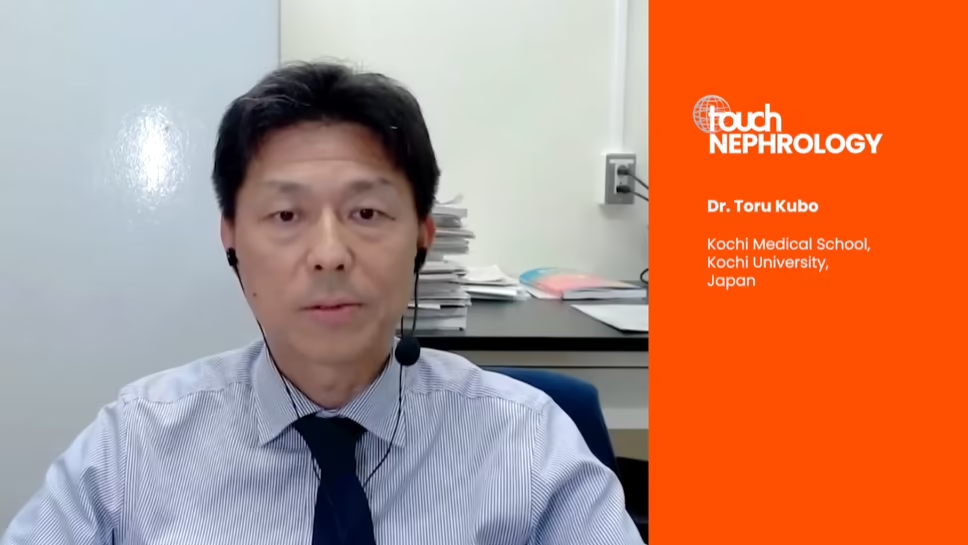
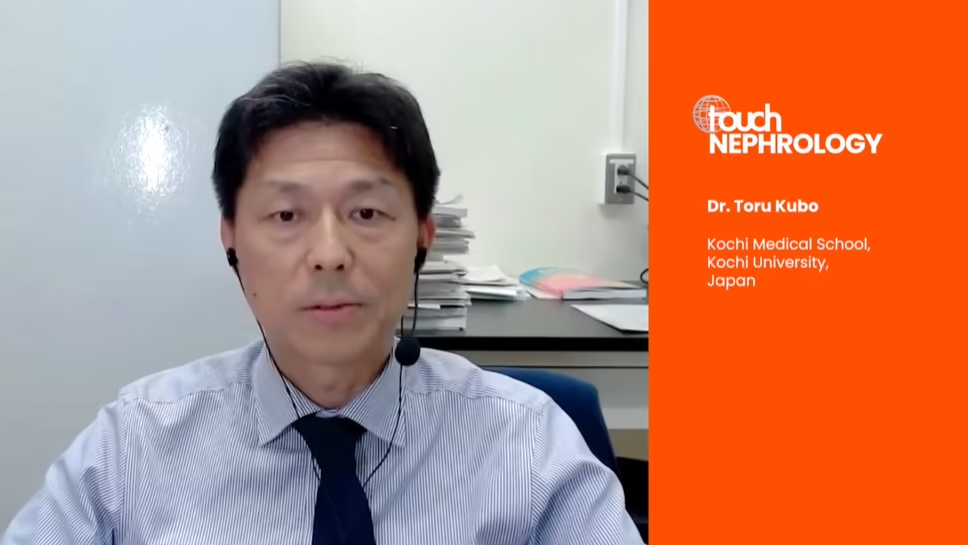
Dr. Toru Kubo

Kochi Medical School, Kochi University, Japan
Close Popup

Dr. Toru Kubo

Kochi Medical School, Kochi University, Japan

Biography

Ms. Christine Chiti

Dr. Christian Nitsche

Dr. Christian Nitsche

Medical University of Vienna, Vienna, Austria
Close Popup

Dr. Christian Nitsche

Medical University of Vienna, Vienna, Austria

Biography

Dr. Toru Kubo

Dr. Yawara Kawano

Dr. Yawara Kawano

Kumamoto University Hospital, Kumamoto City, Japan
Close Popup

Dr. Yawara Kawano

Kumamoto University Hospital, Kumamoto City, Japan

Biography

Dr. Christian Nitsche

Dr. Paolo Milani

Dr. Paolo Milani

University of Pavia, Pavia, Italy
Close Popup

Dr. Paolo Milani

University of Pavia, Pavia, Italy

Biography

Dr. Yawara Kawano

Ms. Christine Chiti

Ms. Christine Chiti

Royal Free London NHS Foundation Trust, London, UK
Close Popup

Ms. Christine Chiti

Royal Free London NHS Foundation Trust, London, UK

Biography

Dr. Paolo Milani

Dr. Toru Kubo

touchENDOCRINOLOGY touchENDOCRINOLOGY

Register now for FREE access to

  • 1000+ topical and insightful peer-reviewed journal articles
  • 100+ hours of bite-sized congress highlights
  • 10 major therapy areas packed with the latest scientific advances
  • 150+ specialties offering learn-on-the-go medical education
  • Concise email updates and newsletters so you never miss out

An independent educational grant from Alexion Pharma GmbH.

Jointly provided by Partners for Advancing Clinical Education and touchIME.

touchIME is an EBAC® accredited provider.
Close Popup

What You'll Learn

After completing this Program, you'll be better able to:
Select Activity...
View All
Activity 1
Activity 2
Activity 1

Beyond ATTR in Japan: Accurate diagnosis of cardiac AL in the TTR stabilizer era

Learning Objective 1

Recognize clinical and imaging features that should raise suspicion for cardiac AL (vs. ATTR) in Japanese patients with heart failure, particularly in older individuals with overlapping phenotypes

Start Now
Learning Objective 2

Apply the JCS‑recommended diagnostic algorithm in routine practice, including monoclonal protein testing, biopsy strategies, and definitive amyloid typing before starting TTR stabilizer therapy

Start Now
Learning Objective 3

Interpret common diagnostic pitfalls in the Japanese setting (such as coexistence of monoclonal gammopathy of undetermined significance and ATTR or rapidly progressive cardiac disease) to determine when urgent hematology referral and MDT discussion are warranted

Start Now
Activity 2

Cardiac amyloidosis in the MDT era: Getting the AL vs. ATTR diagnosis right

Learning Objective 1

Describe a practical, stepwise approach to distinguishing AL from ATTR in patients with suspected cardiac amyloidosis, including when to “rule out AL first” before starting TTR‑targeted therapy

Start Now
Learning Objective 2

Identify the key roles and responsibilities of cardiology, hematology, nephrology, and imaging within an MDT pathway for cardiac amyloidosis, including protocols for monoclonal testing, biopsy, and amyloid typing

Start Now
Learning Objective 3

Explain how emerging AL‑specific mechanisms of action (such as fibril‑directed agents) fit alongside plasma‑cell–directed therapy within real‑world MDT decision‑making

Start Now