
Pituitary Disorders
An Introduction to Pituitary Disorders
Pituitary disorders are rare and include acromegaly, adult growth hormone deficiency, craniopharyngioma, Cushing’s disease, diabetes insipidus, hypopituitarism, non-functioning tumours and prolactinoma. These conditions can be hard to diagnose, but advances in pituitary imaging technology and the development of intraoperative MRI have facilitated prompt detection. Treatments include pituitary hormone replacement, dopamine agonist therapy for the treatment of prolactin-secreting pituitary tumours and some growth hormone-secreting pituitary tumours, and somatostatin, octreotide and pegvisomant for the treatment of acromegaly. The approval of oral octreotide delayed-release capsules is set to transform the maintenance therapy of patients with acromegaly.
Browse our gallery of video highlights and short articles from the conference hub, providing the latest expert insights from major conferences and peer-reviewed articles from the journal portfolio.
Our supporting partners do not constitute an endorsement of the content on this page.


Meet the endocrinologists shaping the future of the specialty. The touchENDOCRINOLOGY Future Leaders 2026 are rising stars nominated by the endocrinology community for their contributions to research, clinical practice and innovation. Discover the clinicians and researchers challenging convention, advancing care and driving progress across endocrinology.

In this touchENDOCRINOLOGY Future Leader 2026 Q&A, Dr Qilin Zhang reflects on the experiences that have shaped his career across endocrinology, neurosurgery, and translational research. He discusses collaboration, balancing clinical and academic priorities, and how precision approaches are helping redefine the future of pituitary tumor management.

Dr Hironori Bando discusses the mentors who shaped his career, the rewards of supporting young researchers, and how research can deepen clinical insight and improve patient care.
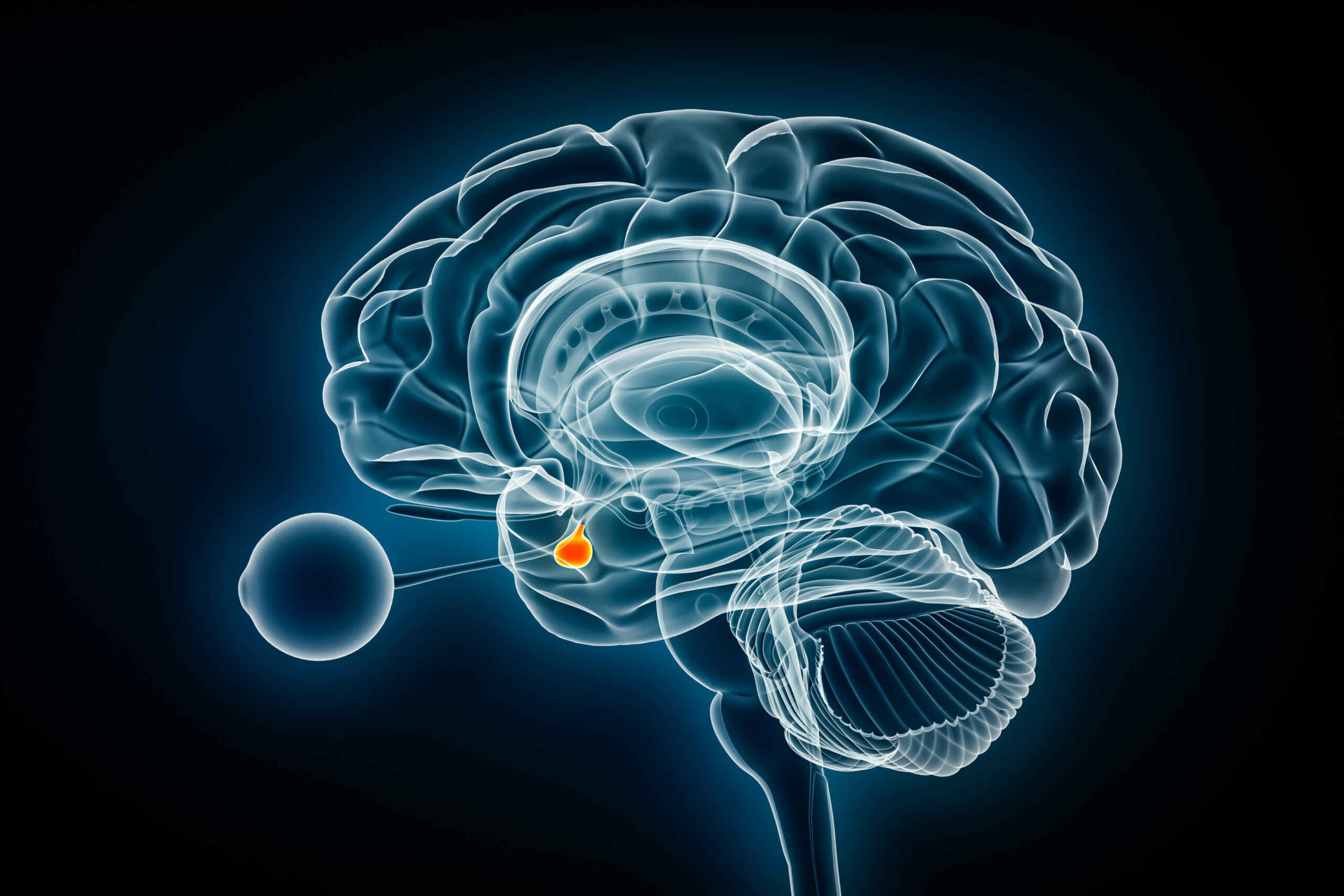
Hyperprolactinemia is a frequent cause for medical referrals to endocrinology departments. Markedly elevated prolactin levels are generally indicative of macroprolactinomas, whereas mild to moderate hyperprolactinemia may arise from physiological factors (such as exercise, sleep or stress), pharmacological agents, metabolic disturbances, ...

A new Endocrine Society statement has reinforced the importance of accurate diagnosis and appropriate clinical assessment before testosterone replacement therapy (TRT) is initiated in men with hypogonadism.1 Published July 16, 2026, the statement reiterates that treatment should not be based on symptoms alone and highlights continuing uncertainties around the long-term safety of TRT. It follows an FDA expert panel that reviewed testosterone eligibility criteria in December 2025, Society comments submitted to the FDA in February 2026, and new prescribing-pattern data presented at ENDO 2026, the Society's annual meeting, in June.


New data presented at ENDO 2026 highlighted the continued evolution of endocrine care, with studies spanning rare disease management, long-term hormone replacement, artificial intelligence-supported screening and real-world treatment outcomes. Across several presentations, investigators reported sustained improvements in biochemical, metabolic, skeletal and patient-reported outcomes, while also emphasising the importance of long-term follow-up and careful interpretation of emerging data.

In this episode of Visionary Voices, we welcome Associate Professor Grace Vincent from CQUniversity’s Appleton Institute. A leading expert on sleep and shift work, Grace explores how disrupted sleep affects physician health in both the short and long term, as well as its impact on safety and performance. We also discuss what this means for patient outcomes and share practical strategies to manage sleep loss.

In this Future Leader Q&A, Dr Pedro Marques shares insights from his pioneering work in pituitary tumour endocrinology, highlighting the impact of mentorship, international collaboration and advances shaping the future of personalized endocrine care.

Physician burnout is at a critical point. In this episode, Nicky speaks with Dr Alfred Atanda about why so many physicians are burning out and what can be done to change the trend. From personal experience to system-wide solutions, Dr Atanda shares valuable insights on improving physician well-being and building a more effective healthcare culture.

What if your medical degree could launch more than a clinical career? In this candid and compelling read, Dr Jon Edelson shares his lessons for early-career clinicians ready to think beyond the bedside and explore the business of medicine.
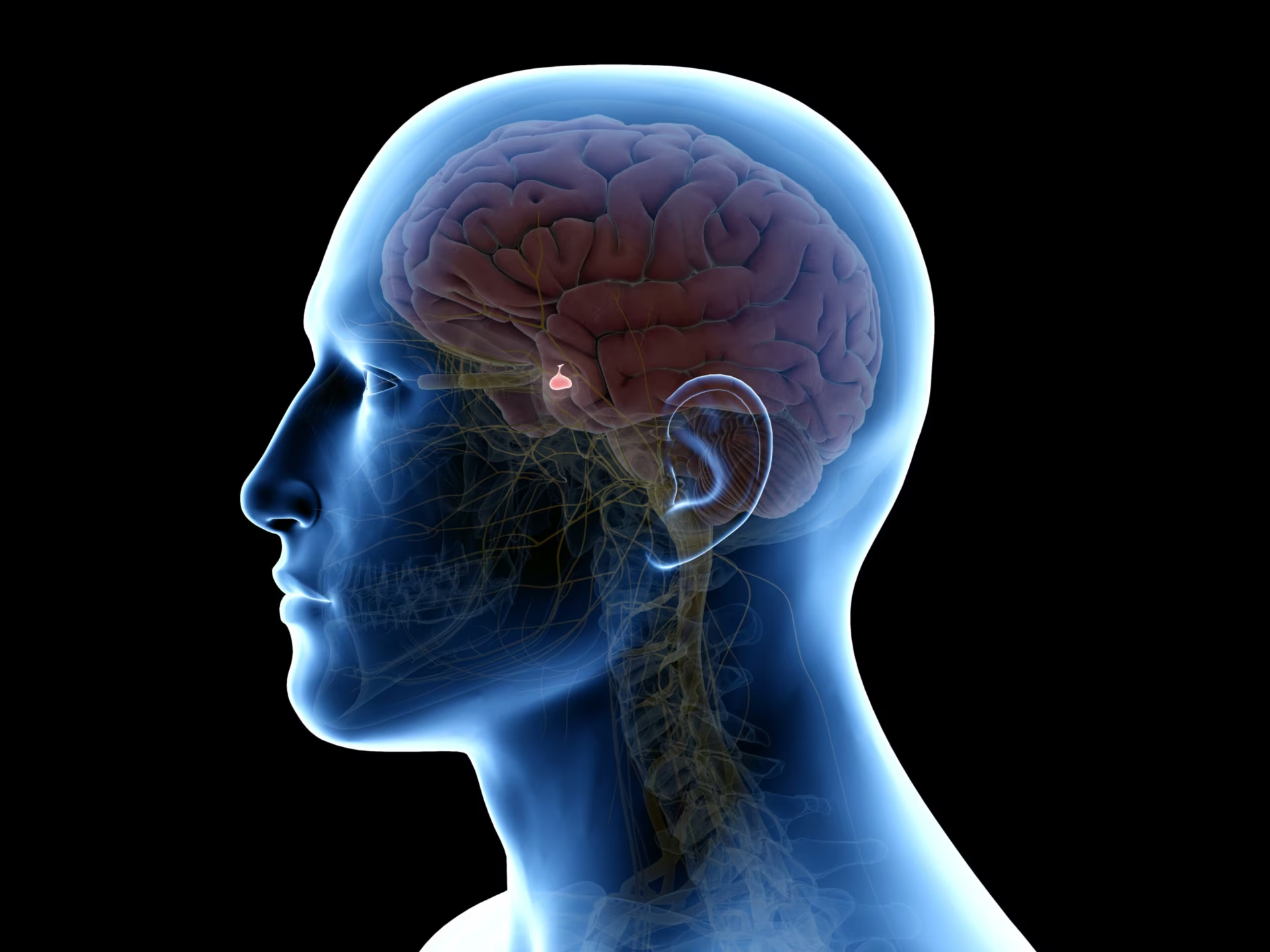
The World Alliance of Pituitary Organizations (WAPO), a leading non-profit uniting pituitary patient advocates worldwide, has announced the launch of its Blogs & Vlogs 2025, an innovative initiative designed to amplify the voices of patients, experts and advocates around the world.


Welcome to the latest edition of touchREVIEWS in Endocrinology, which features a range of review, case report and original research articles that highlight some key developments in our understanding and management of endocrinological disease. We begin with a commentary from ...

Cushing’s disease (CD) is caused by an adrenocorticotropic hormone (ACTH)-secreting pituitary adenoma, or rarely carcinoma, and is considered a highly morbid endocrine disorder with few medical options.1,2 Although transsphenoidal pituitary surgery (TSS) is the mainstay of treatment for ...

Acromegaly is a chronic disease caused by an excess of growth hormone (GH) and insulin-like growth factor 1 (IGF-1).1,2 Besides facial and acral changes, systemic complications lead to decreased quality of life and survival rates.3 The primary goal of acromegaly treatment ...

Osilodrostat, a novel potent oral steroidogenesis inhibitor, has recently been approved for the treatment of adult patients with endogenous Cushing’s syndrome (CS), and Cushing’s disease (CD) not cured by pituitary surgery or in whom pituitary surgery is not ...
Cushing’s disease (CD), or pituitary-dependent Cushing’s syndrome, is almost always caused by corticotroph tumours, a type of pituitary neuroendocrine tumour, which overproduces adrenocorticotrophic hormone (ACTH), ultimately leading to hypercortisolism and its associated clinical consequences, including increased mortality.1 The ...
Log into your Touch Account
Keep track of your clinical interests and newsletter subscriptions.
Sign up with an Email
Or use a .
Register now for FREE access
Already registered? Login below.
