This website is intended for healthcare professionals only

Trending Topic

Self-monitoring glucose levels
22 mins

Trending Topic

Developed by Touch
Mark CompleteCompleted
BookmarkBookmarked

In response to the increasing prevalence of obesity, the consumption of high-calorie and high-sugar foods and an unprecedented aging population, type 2 diabetes (T2D) continues to rise globally. The International Diabetes Federation reported that 589 million individuals aged 20 to 79 years had been diagnosed with diabetes by the end of 2024.1 The world prevalence of diabetes […]

Diabetes Care and Education: A Look Backward and Forward

Linda Siminerio, Youjia Wang, Denise Charron-Prochownik
7 mins
Share
Facebook
X (formerly Twitter)
LinkedIn
Via Email
Mark CompleteCompleted
BookmarkBookmarked
Copy LinkLink Copied
Download as PDF
Published Online: Mar 12th 2025 touchREVIEWS in Endocrinology. 2025;21(1): 5–8 DOI: https://doi.org/10.17925/EE.2025.21.1.5
Select a Section…
1

Abstract

Overview

The importance of self-management and education is now generally known and accepted in the diabetes community. Despite this, the number of people with diabetes who receive diabetes education and psychosocial services continues to be disappointing. While clinical advances are being adopted, referrals to diabetes education remain low, and resources for behavioural support are scarce. This calls for a need to inform and remind care providers and healthcare decision-makers of the efforts of all those who built the foundation for comprehensive diabetes care, which continues to inform practice and serve as a backdrop for research to address today’s challenges.

Keywords
2

Article

Diabetes is a chronic disease associated with both acute and chronic complications. Many advances have been introduced throughout history to address these problems. While each clinical breakthrough was welcomed with relief and the expectation that a solution had been discovered, it was followed by the acknowledgement that continued exploration was needed. The scientific trials and tribulations of the past did offer a stage for today’s exciting innovations. Early studies made it clear that positive clinical outcomes also depend on the delivery and access to quality care, education and self-management, opening new areas of study.

The advent of self-blood glucose monitoring

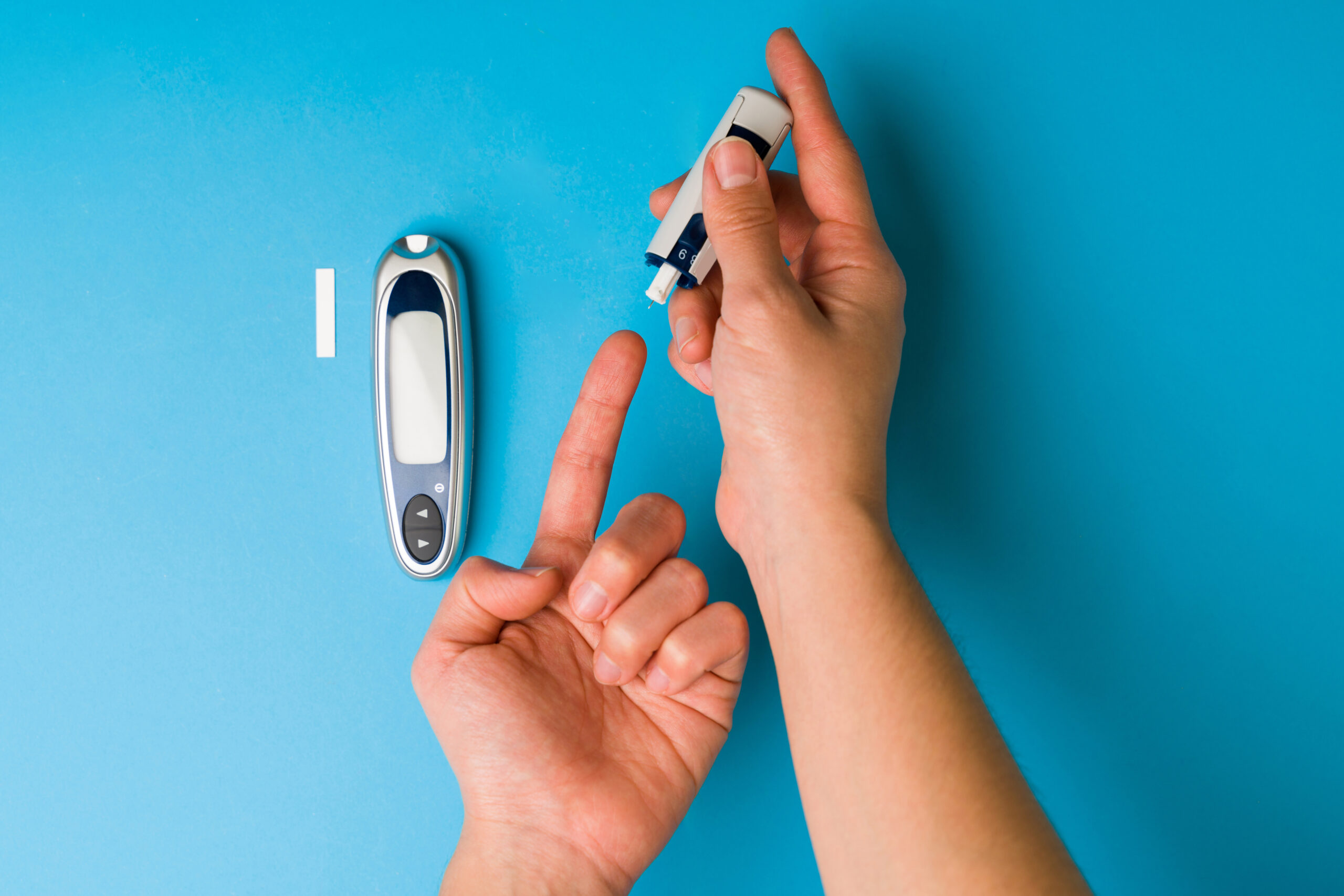
During the darkest period of diabetes care, before the life-saving discovery of insulin in 1921, treatment consisted of near-starvation diets, and patients suffered from multiple morbidities and untimely mortality. The discovery of insulin in 1921 was followed by the continued development of improved insulins and delivery methods, along with the introduction of sulfonylureas and a series of innovative mechanistic approaches in the treatment of type 2 diabetes.1 Self-blood glucose monitoring (SMBG) was later heralded as the solution to the problems associated with diabetes in the late 1970s.1 Despite the hype at the 1986 American Diabetes Association SBGM Consensus Conference, however, reports on the benefits of SMBG, were disappointing.2 The Consensus Committee advised the advancement of the technology, assurance of accuracy, limiting chances for user error and the establishment of algorithms for adjusting insulin to titrate diet, exercise and/or medication accordingly.3 The Committee emphasized that results are meaningless if people do not learn how to react to the values.3 The healthcare community was strongly advised to provide patient education that included self-regulation of their glycaemia in using SMBG and insulin dose self-adjustment, and that more research was needed.2,3

Industry responded to the Consensus Committee by improving blood glucose testing technology with more sophisticated and user-friendly devices. Disappointingly, however, at the same time, a published study suggested that diabetes education was ineffective.4 A randomized controlled trial reported that education may not be an effective therapeutic intervention for most adults with insulin-treated diabetes.4 In a large group of patients who received education versus those in usual care, knowledge scores improved; however, there was no improvement in clinical measures of haemoglobin A1c (HbA1c) and blood pressure.4 Although this was discouraging, it conveyed an important message to the diabetes education and research community that continued research efforts were needed in building the evidence. The response to the study findings was summarized: ‘The effects of educational programmes are of limited value if they do not lead to permanent changes in attitudes and motivation, critical factors affecting long-term diabetic control’.5 Measures of successful education should not be limited to improvements in knowledge alone; HbA1c levels, intermediate outcomes and long-term outcomes, such as changes in health beliefs and attitudes, adherence, behaviour change, self-efficacy and quality of life (QOL), need to serve as endpoints that deserve consideration demonstrated in a series of studies.6–12

Dawning of the psychosocial implications of diabetes and team care

Behavioural scientists and educators began efforts for the study of behaviour, psychosocial themes and health systems research and advanced the field of study.13–18 Findings from their research began to change attitudes towards patients and practice. The international diabetes community took interest, and the seminal Diabetes Attitudes, Wishes and Needs (DAWN) study was conceived of and designed by behavioural leaders in the field: Richard Rubin, Mark Peyrot and Sven Skovlund. The DAWN study was launched to explore the attitudes, wishes and needs of patients with type 1 and 2 diabetes, physicians and nurses in 11 countries.19–21

The results from DAWN provided insights into both patient and practice behaviours. Overall study findings showed a global gap between the psychosocial needs of people with diabetes and the support provided by their care systems – reported issues included poor self-management, coping, QOL, glycaemia and severe complications leading to disability and depression.22–24 Follow-up DAWN studies were conducted. A study was then conducted that examined individual- and country-level patterns in both patient and provider perceptions of diabetes care. These were examined in 5,104 randomly selected adults with type 1 or type 2 diabetes and in 3,827 randomly selected diabetes care providers, including primary-care physicians (n=2,070), diabetes specialist physicians (n=635) and nurses (n=1,122).25 The relationships between outcomes and both country and respondent characteristics were analysed using multivariate analysis, along with the interaction between these two factors. Providers rated both chronic-care systems and the remuneration for chronic care as mediocre, and indicated that several specialist disciplines were not readily available to them. Patients reported that, while there were high levels ease of access to care, it was not without financial barriers; patients with fewer socio-economic resources and more complications from their diabetes had lower access (and/or higher barriers) to care and a lower quality of patient–provider collaboration. Patient-reported outcomes and country-respondent demographic, disease characteristics and healthcare features were all associated.26 Better patient–provider collaboration was associated with more favourable ratings on all outcomes, and better access to providers and team care availability were associated with positive outcomes. Physicians who participated in the study stated that better communication should be available to patients, along with increased access to psychologists and qualified nurse educators/specialist diabetes nurses.25,26

The important role of nurses was reaffirmed in DAWN research through studies conducted by Martha Funnell and Linda Siminerio.14,20,26 Nurses were reported to provide feelings of hope, discuss adherence, act as an intermediary between clinicians and team members and address the critical psychosocial needs of the patient. When patients reported having access to a nurse, they had better outcomes. Unfortunately, however, less than half of the patients surveyed had access to nurse services, and in many countries, nurses had limited scopes of practice.20,26

Team care and advancing the roles of its members gained more attention. In a meta-analysis of diabetes care outcomes, the best predictor of improved glycaemia was access to a team and case management.27 Nurses had been reported to show a willingness to take on more responsibility for treatment regimens, with additional training.26 Nurses’ roles, along with dieticians and pharmacists, continued to expand as research demonstrated their ability and effectiveness in providing guidance and support for medication management.28–31 This has enormous potential in providing much-needed access to team-based speciality care and support for primary care in underserved community settings.32

Diabetes self-management education

Studies on the effectiveness of diabetes education were also encouraging and gaining momentum, especially those focused on Diabetes Self-management Education (DSME).18,33–36 A comprehensive review revealed that DSME was associated with a dramatic decline in HbA1c levels by as much as 0.76%.31 The effectiveness was shown to be directly correlated with the amount of time spent with the diabetes educator. However, like any therapy, the benefits waned over time without continued dosing. Additional studies confirmed the need for ongoing support, now referred to as DSMES (Diabetes Self-Management Education Support). DSMES resources, such as D-SMART (Diabetes Self-management Assessment Report Tool), were developed to assist the educator in this process.37,38 Recognizing the importance of DSMES delivered by diabetes educators and their demonstrated ability for therapeutic management support, the formerly termed ‘diabetes educator’ is now referred to as the Diabetes Care and Education Specialist, referencing their role in therapeutic management, along with education.

To ensure that effective methods were available to guide the growing research, psychosocial and care delivery frameworks were created providing road-maps for future research. Russell Glasgow developed the widely used Reach, Effectiveness, Adoption, Implementation, Maintenance (RE-AIM) framework as a template for the development of care delivery programme implementation and evaluation.39 Rubin and Peyrot, recognized as pioneers in the psychosocial and behavioural fields, developed and applied qualitative methods for studying these areas.23,25,40–42 Behavioural theory-based interventions were adapted or created for youth or culturally adapted for ethnic communities. Margaret Grey’s coping skills training intervention for youth had long-lasting effects on metabolic control and QOL.43 Barbara Anderson found that family sharing of diabetes responsibilities for adolescents improved diabetes self-management and metabolic control.44,45 Funnell and Robert Anderson developed a programme of research based on empowering individuals with diabetes with better self-management.46 In one study in African American adults with type 2 diabetes, an empowerment-based diabetes self-management support intervention was promising for improving and/or maintaining diabetes-related health, particularly HbA1c levels.47

Culturally tailored behavioural-diabetes programmes and age-appropriate adaptations to address the needs of specific populations became imperative. For example, Stopping GDM is a dyadic educational-behavioural gestational diabetes prevention programme culturally specific for American Indian and Alaska Native adolescents and their mothers.48 Studies focused on transitioning young adults have also been highly effective.49

Access to comprehensive quality care

Specific attention to participant recruitment efforts was made to assure that the population engaged in the study represented people who could benefit from the research findings.50–54 Healthcare delivery processes were examined using the Patient-Centred Medical Home and Chronic Care models.55–58 Studies conducted by behavioural researchers like David Marrero, Alan Delamater, William Polonsky and Larry Fisher reaffirmed that attention to psychosocial needs is critically important, reorganization of care delivery systems providing team-based care and attending to the specific needs of the population served is essential, DSMES is cost-effective, telemedicine provides access to enhanced care and education, databases and repositories offer a unique resource for data-driven decisions and population health through risk stratification and personal devices like continuous glucose monitor (CGM) and mobile applications offer great opportunities for enhanced self-management.21,51–54,59–74

Applied lessons into practice

Technology is quickly and constantly evolving and over recent years has become an integral part of diabetes care.75 While both people with diabetes and clinicians are harnessing a variety of technologies, access issues continue for some populations and efforts are needed in making sure that there are widespread opportunities for access.76 CGMs, insulin pumps, automated insulin delivery systems, data-sharing platforms, telehealth, remote monitoring and smartphone mobile applications are being used and shown to improve clinical outcomes and QOL.74,77–82 Artificial intelligence technologies are already being integrated into diabetes education interventions for dietary and exercise and insulin injection guidance, monitoring of complications and self-management.83

Caring for persons with diabetes who use technology is best accomplished in partnership with other members of the care team and support staff. Although the use of technology is associated with improved outcomes, this effect is enhanced when the user is knowledgeable and engaged; simply wearing a device or just downloading an app may not translate into health benefits.75,84

Although the overall wellbeing of those with diabetes has improved considerably over the past several decades, the health of racial and ethnic minorities and other populations with diabetes continues to lag.85 For decades, there have been declarations identifying the correction of health disparities as a national priority in the USA. While progress has been slow in meeting the comprehensive needs of all those living with diabetes, new approaches have been tested to improve diabetes self-management and provide support for people with diabetes in vulnerable, underserved populations and settings. Broad-based approaches have been used to identify the scope of the problems, technological advances applied in underserved areas, while patient psychosocial and behavioural challenges have been examined in specific ethnic populations.53,62,86,87 Interventions including telehealth, mobile app technology, advanced practice provider-led clinics and support from community health workers are finally gaining attention.9,28,35,71,74,88,89

In closing

Over 20 years ago, the National Diabetes Education Programme (NDEP) was launched. It was a programme supported by the NIH and the CDC to translate findings from diabetes research into public and clinical health practice, at a time when the burden of care was on the providing physician, the approach to patient care was directive and patients were expected to do as they were told.90 There was no recognition of the psychosocial needs of the person living with diabetes, such as depression and distress. It is unlikely that the founders of NDEP could have predicted the rising rates of diabetes, the science and technology available today and that healthcare disparities would continue. Findings from behavioural and translational science informed the diabetes community that living with a chronic disease takes an emotional toll; the patient being the centre of care and the use of team approaches are the best predictor of success. While progress has been made, challenges remain that demand the attention of and continued efforts from the diabetes clinical and research communities.
3

References

List View
Grid View
1

 American Diabetes Association Staff. The Journey and the Dream: A History of the American Diabetes Association. Vol 21. ADA, 1990: 84.

2
Copy DOIDOI Copied
Visit DOI Link

 American Diabetes Association. Consensus statement on self-monitoring of blood glucose. Diabetes Care. 1987;10:95–9. DOI: 10.2337/diacare.10.1.95.

3
Copy DOIDOI Copied
Visit DOI Link

 American Diabetes Association. Self-monitoring of blood glucose. Diabetes Care. 1993;16:59–65. DOI: 10.2337/diacare.16.2.59.

4
Copy DOIDOI Copied
Visit DOI Link

 Bloomgarden ZT, Karmally W, Metzger MJ, et al. Randomized, controlled trial of diabetic patient education: Improved knowledge without improved metabolic status. Diabetes Care. 1987;10:263–72. DOI: 10.2337/diacare.10.3.263.

5
Copy DOIDOI Copied
Visit DOI Link

 Korhonen T, Huttunen JK, Aro A, et al. A controlled trial on the effects of patient education in the treatment of insulin-dependent diabetes. Diabetes Care. 1983;6:256–61. DOI: 10.2337/diacare.6.3.256.

6
Copy DOIDOI Copied
Visit DOI Link

 Zgibor JC, Peyrot M, Ruppert K, et al. Using the American Association of Diabetes Educators outcomes system to identify patient behavior change goals and diabetes educator responses. Diabetes Educ. 2007;33:839–42. DOI: 10.1177/0145721707307611.

7
Copy DOIDOI Copied
Visit DOI Link

 Wojner AW, MacCutcheon MA. Longitudinal outcomes measurement and management: Standardized practices across the continuum of care. Crit Care Nurs Clin North Am. 1998;10:33–40. DOI: 10.1016/S0899-5885(18)30225-9.

8
Copy DOIDOI Copied
Visit DOI Link

 Cochran J, Conn VS. Meta-analysis of quality of life outcomes following diabetes self-management training. Diabetes Educ. 2008;34:815–23. DOI: 10.1177/0145721708323640.

9
Copy DOIDOI Copied
Visit DOI Link

 Heisler M. Overview of peer support models to improve diabetes self-management and clinical outcomes. Diabetes Spectr. 2007;20:214–21. DOI: 10.2337/diaspect.20.4.214.

10
Copy DOIDOI Copied
Visit DOI Link

 Funnell MM. Peer-based behavioural strategies to improve chronic disease self-management and clinical outcomes: Evidence, logistics, evaluation considerations and needs for future research. Fam Pract. 2010;27:i17–i22. DOI: 10.1093/fampra/cmp027.

11
Copy DOIDOI Copied
Visit DOI Link

 Trento M, Passera P, Borgo E, et al. A 5-year randomized controlled study of learning, problem solving ability, and quality of life modifications in people with type 2 diabetes managed by group care. Diabetes Care. 2004;27:670–5. DOI: 10.2337/diacare.27.3.670.

12
Copy DOIDOI Copied
Visit DOI Link

 Miller WR, Rollnick S. Why do people change? In: Motivational Interviewing: Preparing People for Change. New York: The Guilford Press, 2002;3–12s. DOI: 10.1097/01445442-200305000-00013.

13
Copy DOIDOI Copied
Visit DOI Link

 Marrero DG, Ard J, Delamater AM, et al. Twenty-first century behavioral medicine: A context for empowering clinicians and patients with diabetes: A consensus report. Diabetes Care. 2013;36:463–70. DOI: 10.2337/dc12-2305.

14
Copy DOIDOI Copied
Visit DOI Link

 Funnell MM, Anderson RM, Piatt GA. Empowerment, engagement, and shared decision making in the real world of clinical practice. Consultant. 2014;54:358–62.

15
Copy DOIDOI Copied
Visit DOI Link

 Chew BH, Shariff-Ghazali S, Fernandez A. Psychological aspects of diabetes care: Effecting behavioral change in patients. World J Diabetes. 2014;5:796–808. DOI: 10.4239/wjd.v5.i6.796.

16
Copy DOIDOI Copied
Visit DOI Link

 Wagner EH, Austin BT, Von Korff M. Improving outcomes in chronic illness. Manag Care Q. 1996;4:12–25.

17
Copy DOIDOI Copied
Visit DOI Link

 Zgibor JC, Peyrot M, Ruppert K, et al. Using the American Association of Diabetes Educators Outcomes System to identify patient behavior change goals and diabetes educator responses. Diabetes Educ. 2007;33:839–42. DOI: 10.1177/0145721707307611.

18
Copy DOIDOI Copied
Visit DOI Link

 Siminerio LM, Ruppert K, Emerson S, et al. Delivering diabetes self-management education (DSME) in primary care. Dis Manag Health Outcomes. 2008;16:267–72. DOI: 10.2165/00115677-200816040-00007.

19
Copy DOIDOI Copied
Visit DOI Link

 Alberti G. The DAWN (Diabetes Attitudes, Wishes and Needs) study. Pract Diab Int. 2002;19:22. DOI: 10.1002/pdi.305.

20
Copy DOIDOI Copied
Visit DOI Link

 Funnell M, Peyrot M, Rubin R, et al. Steering toward a new DAWN in diabetes management. Diabetes Educ. 2005;31:1–18.

21
Copy DOIDOI Copied
Visit DOI Link

 Skovlund SE, Peyrot M, on behalf of the DAWN International Advisory Panel. The Diabetes Attitudes, Wishes, and Needs (DAWN) program: A new approach to improving outcomes of diabetes care. Diabetes Spectr. 2005;18:136–42. DOI: 10.2337/diaspect.18.3.136.

22
Copy DOIDOI Copied
Visit DOI Link

 Nicolucci A, Kovacs Burns K, Holt RIG, et al. Diabetes Attitudes, Wishes and Needs second study (DAWN2): Cross‐national benchmarking of diabetes‐related psychosocial outcomes for people with diabetes. Diabet Med. 2013;30:767–77. DOI: 10.1111/dme.12245.

23
Copy DOIDOI Copied
Visit DOI Link

 Peyrot M, Burns KK, Davies M, et al. Diabetes Attitudes, Wishes and Needs 2 (DAWN2): A multinational, multi-stakeholder study of psychosocial issues in diabetes and person-centred diabetes care. Diabetes Res Clin Pract. 2013;99:174–84. DOI: 10.1016/j.diabres.2012.11.016.

24
Copy DOIDOI Copied
Visit DOI Link

 Rubin RR, Peyrot M, Siminerio LM. Health care and patient-reported outcomes: Results of the cross-national Diabetes Attitudes, Wishes and Needs (DAWN) study. Diabetes Care. 2006;29:1249–55. DOI: 10.2337/dc05-2494.

25
Copy DOIDOI Copied
Visit DOI Link

 Peyrot M, Rubin RR, Lauritzen T, et al. Patient and provider perceptions of care for diabetes: Results of the cross-national DAWN study. Diabetologia. 2006;49:279–88. DOI: 10.1007/s00125-005-0048-8.

26
Copy DOIDOI Copied
Visit DOI Link

 Siminerio LM, Funnell MM, Peyrot M, et al. US nurses’ perceptions of their role in diabetes care: Results of the cross-national Diabetes Attitudes, Wishes and Needs (DAWN) study. Diabetes Educ. 2007;33:152–62. DOI: 10.1177/0145721706298194.

27
Copy DOIDOI Copied
Visit DOI Link

 Shojania KG, Ranji SR, McDonald KM, et al. Effects of quality improvement strategies for type 2 diabetes on glycemic control: A meta-regression analysis. JAMA. 2006;296:427–40. DOI: 10.1001/jama.296.4.427.

28
Copy DOIDOI Copied
Visit DOI Link

 Davidson MB. The effectiveness of nurse- and pharmacist-directed care in diabetes disease management: A narrative review. Curr Diabetes Rev. 2007;3:280–6. DOI: 10.2174/157339907782330058.

29
Copy DOIDOI Copied
Visit DOI Link

 Zgibor JC, Maloney MA, Malmi M Jr, et al. Effectiveness of certified diabetes educators following pre-approved protocols to redesign diabetes care delivery in primary care: Results of the remedies 4D trial. Contemp Clin Trials. 2018;64:201–9. DOI: 10.1016/j.cct.2017.10.003.

30
Copy DOIDOI Copied
Visit DOI Link

 Sharma SK, Thakur K, Kant R, et al. Impact of nurse-led titration versus physician prescription of hypoglycaemic agents on HbA1c level in type 2 diabetes patients: A systematic review and meta-analysis of randomized controlled trials. Cureus. 2021;13:e20436. DOI: 10.7759/cureus.20436.

31
Copy DOIDOI Copied
Visit DOI Link

 Norris SL, Engelgau MM, Narayan KM. Effectiveness of self-management training in type 2 diabetes: A systematic review of randomized controlled trials. Diabetes Care. 2001;24:561–87. DOI: 10.2337/diacare.24.3.561.

32
Copy DOIDOI Copied
Visit DOI Link

 Siminerio L, Ruppert K, Huber K, et al. Telemedicine for reach, education, access, and treatment (TREAT): Linking telemedicine with diabetes self-management education to improve care in rural communities. Diabetes Educ. 2014;40:797–805. DOI: 10.1177/0145721714551993.

33
Copy DOIDOI Copied
Visit DOI Link

 Powers MA, Bardsley J, Cypress M, et al. Diabetes self-management education and support in type 2 diabetes: A joint position statement of the American Diabetes Association, the American Association of Diabetes Educators, and the Academy of Nutrition and Dietetics. Diabetes Care. 2015;38:1372–82. DOI: 10.2337/dc15-0730.

34
Copy DOIDOI Copied
Visit DOI Link

 Siminerio L, Ruppert KM, Gabbay RA. Who can provide diabetes self-management support in primary care? Diabetes Educ. 2013;39:705–13. DOI: 10.1177/0145721713492570.

35
Copy DOIDOI Copied
Visit DOI Link

 Tshiananga JKT, Kocher S, Weber C, et al. The effect of nurse-led diabetes self-management education on glycosylated hemoglobin and cardiovascular risk factors: A meta-analysis. Diabetes Educ. 2012;38:108–23. DOI: 10.1177/0145721711423978.

36
Copy DOIDOI Copied
Visit DOI Link

 Peyrot M, Rubin RR, Funnell MM, et al. Access to diabetes self-management education: Results of national surveys of patients, educators, and physicians. Diabetes Educ. 2009;35:246–8. DOI: 10.1177/0145721708329546.

37
Copy DOIDOI Copied
Visit DOI Link

 Beck J, Greenwood DA, Blanton L, et al. 2017 National Standards for Diabetes Self-management Education and Support. Diabetes Educ. 2017;43:449–64. DOI: 10.1177/0145721717722968.

38
Copy DOIDOI Copied
Visit DOI Link

 Peyrot M, Peeples M, Tomky D, et al. Development of the American Association of Diabetes Educators’ Diabetes Self-management Assessment Report Tool. Diabetes Educ. 2007;33:818–26. DOI: 10.1177/0145721707307614.

39
Copy DOIDOI Copied
Visit DOI Link

 Glasgow RE, McKay HG, Piette JD, et al. The RE-AIM framework for evaluating interventions: What can it tell us about approaches to chronic illness management? Patient Educ Couns. 2001;44:119–27. DOI: 10.1016/s0738-3991(00)00186-5.

40
Copy DOIDOI Copied
Visit DOI Link

 Rubin DJ, Donnell-Jackson K, Jhingan R, et al. Early readmission among patients with diabetes: A qualitative assessment of contributing factors. J Diabetes Complicat. 2014;28:869–73. DOI: 10.1016/j.jdiacomp.2014.06.013.

41
Copy DOIDOI Copied
Visit DOI Link

 Peyrot M, Piatt G, Zgibor J, et al. Using the AADE National Diabetes Education Outcomes System (NDEOS) to identify patient behavior change needs and diabetes educator responses. Presented at: ADA 66th Scientific Sessions. Washington, DC: 2006;30–8.

42
Copy DOIDOI Copied
Visit DOI Link

 Peyrot M, Rubin RR. Behavioral and psychosocial interventions in diabetes. Diabetes Care. 2007;30:2433–40. DOI: 10.2337/dc07-1222.

43
Copy DOIDOI Copied
Visit DOI Link

 Grey M, Boland EA, Davidson M, et al. Coping skills training for youth with diabetes mellitus has long-lasting effects on metabolic control and quality of life. J Pediatr. 2000;137:107–13. DOI: 10.1067/mpd.2000.106568.

44
Copy DOIDOI Copied
Visit DOI Link

 Anderson BJ, Auslander WF, Jung KC, et al. Assessing family sharing of diabetes responsibilities. J Pediatr Psychol. 1990;15:477–92. DOI: 10.1093/jpepsy/15.4.477.

45
Copy DOIDOI Copied
Visit DOI Link

 Anderson B, Ho J, Brackett J, et al. Parental involvement in diabetes management tasks: Relationships to blood glucose monitoring adherence and metabolic control in young adolescents with insulin-dependent diabetes mellitus. J Pediatr. 1997;130:257–65. DOI: 10.1016/S0022-3476(97)70352-4.

46
Copy DOIDOI Copied
Visit DOI Link

 Funnell MM, Anderson RM. Empowerment and self-management of diabetes. Clin Diabetes. 2004;22:123–7. DOI: 10.2337/diaclin.22.3.123.

47
Copy DOIDOI Copied
Visit DOI Link

 Tang TS, Funnell MM, Brown MB, et al. Self-management support in ‘real-world’ settings: An empowerment-based intervention. Patient Educ Couns. 2010;79:178–84. DOI: 10.1016/j.pec.2009.09.029.

48
Copy DOIDOI Copied
Visit DOI Link

 Charron-Prochownik D, Moore KR, Stotz S, et al. Comparing American Indian/Alaska native adolescent daughters’ and their mothers’ awareness, knowledge, attitudes, and behaviors regarding risk for gestational diabetes: Implications for mother–daughter communication on reproductive health. Sci Diabetes Self Manag Care. 2023;49:267–80. DOI: 10.1177/26350106231178837.

49
Copy DOIDOI Copied
Visit DOI Link

 Hilliard ME, Tully C, Monaghan M, et al. First steps: Primary outcomes of a randomized, stepped-care behavioral clinical trial for parents of young children with new-onset type 1 diabetes. Diabetes Care. 2022;45:2238–46. DOI: 10.2337/dc21-2704.

50
Copy DOIDOI Copied
Visit DOI Link

 Pillay J, Armstrong MJ, Butalia S, et al. Behavioral programs for type 2 diabetes mellitus: A systematic review and network meta-analysis. Ann Intern Med. 2015;163:848–60. DOI: 10.7326/M15-1400.

51
Copy DOIDOI Copied
Visit DOI Link

 Toledo FG, Triola A, Ruppert K, et al. Telemedicine consultations: An alternative model to increase access to diabetes specialist care in underserved rural communities. JMIR Res Protoc. 2012;1:e14. DOI: 10.2196/resprot.2235.

52
Copy DOIDOI Copied
Visit DOI Link

 Toledo FGS, Ruppert K, Huber KA, et al. Efficacy of the telemedicine for reach, education, access, and treatment (TREAT) model for diabetes care. Diabetes Care. 2014;37:e179–80. DOI: 10.2337/dc13-1909.

53
Copy DOIDOI Copied
Visit DOI Link

 Griffith ML, Siminerio L, Payne T, et al. A shared decision-making approach to telemedicine: Engaging rural patients in glycemic management. J Clin Med. 2016;5:103. DOI: 10.3390/jcm5110103.

54
Copy DOIDOI Copied
Visit DOI Link

 Shea S, Weinstock RS, Teresi JA, et al. A randomized trial comparing telemedicine case management with usual care in older, ethnically diverse, medically underserved patients with diabetes mellitus: 5 year results of the IDEATel study. J Am Med Inform Assoc. 2009;16:446–56. DOI: 10.1197/jamia.M3157.

55
Copy DOIDOI Copied
Visit DOI Link

 Gabbay RA, Bailit MH, Mauger DT, et al. Multipayer patient-centered medical home implementation guided by the chronic care model. Jt Comm J Qual Patient Saf. 2011;37:265–73. DOI: 10.1016/s1553-7250(11)37034-1.

56
Copy DOIDOI Copied
Visit DOI Link

 Piatt GA, Zgibor JC, Brooks MM. Translating the chronic care model into the community: Results from a randomized controlled trial of a multifaceted diabetes care intervention: Response to Belalcazar and Swank. Diabetes Care. 2006;29:2762. DOI: 10.2337/dc06-1739.

57
Copy DOIDOI Copied
Visit DOI Link

 Siminerio LM, Piatt GA, Emerson S, et al. Deploying the chronic care model to implement and sustain diabetes self-management training programs. Diabetes Educ. 2006;32:253–60. DOI: 10.1177/0145721706287156.

58
Copy DOIDOI Copied
Visit DOI Link

 Siminerio L, Wagner EH, Gabbay R, et al. Implementing the chronic care model: A statewide focus on improving diabetes care for Pennsylvania. Clin Diabetes. 2009;27:153–9. DOI: 10.2337/diaclin.27.4.153.

59
Copy DOIDOI Copied
Visit DOI Link

 Marrero DG, Ard J, Delamater AM, et al. Twenty-first century behavioral medicine: A context for empowering clinicians and patients with diabetes: A consensus report. Diabetes Care. 2013;36:463–70. DOI: 10.2337/dc12-2305.

60
Copy DOIDOI Copied
Visit DOI Link

 Polonsky WH, Fisher L. When does personalized feedback make a difference? A narrative review of recent findings and their implications for promoting better diabetes self-care. Curr Diab Rep. 2015;15:50. DOI: 10.1007/s11892-015-0620-7.

61
Copy DOIDOI Copied
Visit DOI Link

 Simmons D, Wenzel H, Zgibor JC (eds). Integrated Diabetes Care: A Multidisciplinary Approach. Spam: Springer, 2017: 30–8. DOI: 10.1007/978-3-319-13389-8.

62
Copy DOIDOI Copied
Visit DOI Link

 Peyrot M, Egede LE, Funnell MM, et al. Ethnic differences in family member diabetes involvement and psychological outcomes: Results from the second Diabetes Attitudes, Wishes and Needs (DAWN2) study in the USA. Curr Med Res Opin. 2015;31:1297–307. DOI: 10.1185/03007995.2015.1043251.

63
Copy DOIDOI Copied
Visit DOI Link

 Li R, Shrestha SS, Lipman R, et al. Diabetes self-management education and training among privately insured persons with newly diagnosed diabetes – United States, 2011–2012. MMWR Morb Mortal Wkly Rep. 2014;63:1045–9.

64
Copy DOIDOI Copied
Visit DOI Link

 Duncan I, Birkmeyer C, Coughlin S, et al. Assessing the value of diabetes education. Diabetes Educ. 2009;35:752–60. DOI: 10.1177/0145721709343609.

65
Copy DOIDOI Copied
Visit DOI Link

 Rush KL, Hatt L, Janke R, et al. The efficacy of telehealth delivered educational approaches for patients with chronic diseases: A systematic review. Patient Educ Couns. 2018;101:1310–21. DOI: 10.1016/j.pec.2018.02.006.

66
Copy DOIDOI Copied
Visit DOI Link

 Davis RM, Hitch AD, Salaam MM, et al. TeleHealth improves diabetes self-management in an underserved community: Diabetes telecare. Diabetes Care. 2010;33:1712–7. DOI: 10.2337/dc09-1919.

67
Copy DOIDOI Copied
Visit DOI Link

 Izquierdo RE, Knudson PE, Meyer S, et al. A comparison of diabetes education administered through telemedicine versus in person. Diabetes Care. 2003;26:1002–7. DOI: 10.2337/diacare.26.4.1002.

68
Copy DOIDOI Copied
Visit DOI Link

 Zupa MF, Arena VC, Johnson PA, et al. A coordinated population health approach to diabetes education in primary care. Diabetes Educ. 2019;45:580–5. DOI: 10.1177/0145721719879427.

69
Copy DOIDOI Copied
Visit DOI Link

 Korytkowski MT, Brooks M, Lombardero M, et al. Use of an electronic medical record (EMR) to identify glycemic intensification strategies in type 2 diabetes. J Diabetes Sci Technol. 2015;9:593–601. DOI: 10.1177/1932296814564183.

70
Copy DOIDOI Copied
Visit DOI Link

 Wang J, Chu CF, Li C, et al. Diabetes educators’ insights regarding connecting mobile phone- and wearable tracker-collected self-monitoring information to a nationally-used electronic health record system for diabetes education: Descriptive qualitative study. JMIR Mhealth Uhealth. 2018;6:e10206. DOI: 10.2196/10206.

71
Copy DOIDOI Copied
Visit DOI Link

 Krall JS, Childs B, Mehrotra N. Mobile applications to support diabetes self-management education: Patient experiences and provider perspectives. J Diabetes Sci Technol. 2023;17:1206–11. DOI: 10.1177/19322968231174037.

72
Copy DOIDOI Copied
Visit DOI Link

 Siminerio LM. The role of technology and the chronic care model. J Diabetes Sci Technol. 2010;4:470–5. DOI: 10.1177/193229681000400229.

73
Copy DOIDOI Copied
Visit DOI Link

 Zheng Y, Siminerio LM, Krall J, et al. Applying real-world data to inform continuous glucose monitoring use in clinical practice. J Diabetes Sci Technol. 2021;15:968–9. DOI: 10.1177/1932296821997403.

74
Copy DOIDOI Copied
Visit DOI Link

 Krall JS, Ng JM, Mehrotra N, et al. Insights into the feasibility and acceptability of a mobile insulin titration application in clinical practice and its effects on diabetes outcomes. touchREV Endocrinol. 2024;20:52–7. DOI: 10.17925/EE.2024.20.1.10.

75
Copy DOIDOI Copied
Visit DOI Link

 Isaacs D, Cox C, Schwab K, et al. Technology integration: The role of the diabetes care and education specialist in practice. Diabetes Educ. 2020;46:323–34. DOI: 10.1177/0145721720935123.

76
Copy DOIDOI Copied
Visit DOI Link

 Fantasia KL, Wirunsawanya K, Lee C, Rizo I. Racial disparities in diabetes technology use and outcomes in type 1 diabetes in a safety-net hospital. J Diabetes Sci Technol. 2021;15:1010–7. DOI: 10.1177/1932296821995810.

77
Copy DOIDOI Copied
Visit DOI Link

 Bouchonville MF, Paul MM, Billings J, et al. Taking telemedicine to the next level in diabetes population management: A review of the Endo ECHO model. Curr Diab Rep. 2016;16:96. DOI: 10.1007/s11892-016-0784-9.

78
Copy DOIDOI Copied
Visit DOI Link

 Bouchonville MF, Hager BW, Kirk JB, et al. Endo ECHO improves primary care provider and community health worker self-efficacy in complex diabetes management in medically underserved communities. Endocr Pract. 2018;24:40–6. DOI: 10.4158/EP-2017-0079.

79
Copy DOIDOI Copied
Visit DOI Link

 Doyle EA, Weinzimer SA, Steffen AT, et al. A randomized, prospective trial comparing the efficacy of continuous subcutaneous insulin infusion with multiple daily injections using insulin glargine. Diabetes Care. 2004;27:1554–8. DOI: 10.2337/diacare.27.7.1554.

80
Copy DOIDOI Copied
Visit DOI Link

 Smith MB, Albanese-O’Neill A, Macieira TGR, et al. Human factors associated with continuous glucose monitor use in patients with diabetes: A systematic review. Diabetes Technol Ther. 2019;21:589–601. DOI: 10.1089/dia.2019.0136.

81
Copy DOIDOI Copied
Visit DOI Link

 Greenwood DA, Peeples M. Technology to overcome therapeutic inertia. Mhealth. 2019;5:1. DOI: 10.21037/mhealth.2018.12.05.

82
Copy DOIDOI Copied
Visit DOI Link

 Siminerio L, Krall J, Johnson P, et al. Examining a diabetes self-management education and support telemedicine model with high-risk patients in a rural community. J Diabetes Sci Technol. 2023;17:1190–7. DOI: 10.1177/19322968231180884.

83
Copy DOIDOI Copied
Visit DOI Link

 Li J, Huang J, Zheng L, Li X. Application of artificial intelligence in diabetes education and management: Present status and promising prospect. Front Public Health. 2020;8:173. DOI: 10.3389/fpubh.2020.00173.

84
Copy DOIDOI Copied
Visit DOI Link

 Foster NC, Beck RW, Miller KM, et al. State of type 1 diabetes management and outcomes from the T1D exchange in 2016–2018. Diabetes Technol Ther. 2019;21:66–72. DOI: 10.1089/dia.2018.0384.

85
Copy DOIDOI Copied
Visit DOI Link

 Institute of Medicine (US) Committee on the Review and Assessment of the NIH’s Strategic Research Plan and Budget to Reduce and Ultimately Eliminate Health Disparities. Examining the Health Disparities Research Plan of the National Institutes of Health: Unfinished Business. Thomson GE, Mitchell F, Williams MB (eds). Washington, DC: National Academies Press, 2006.

86
Copy DOIDOI Copied
Visit DOI Link

 Silveira M, Moura Neto A, Sposito AC, et al. Low empowerment and diabetes regimen distress are related to HbA1c in low income type 1 diabetes patients in a Brazilian tertiary public hospital. Diabetol Metab Syndr. 2019;11:6. DOI: 10.1186/s13098-019-0404-3.

87
Copy DOIDOI Copied
Visit DOI Link

 Peyrot M, Egede LE, Campos C, et al. Ethnic differences in psychological outcomes among people with diabetes: USA results from the second Diabetes Attitudes, Wishes, and Needs (DAWN2) study. Curr Med Res Opin. 2014;30:2241–54. DOI: 10.1185/03007995.2014.947023.

88
Copy DOIDOI Copied
Visit DOI Link

 von Storch K, Graaf E, Wunderlich M, et al. Telemedicine-assisted self-management program for type 2 diabetes patients. Diabetes Technol Ther. 2019;21:514–21. DOI: 10.1089/dia.2019.0056.

89
Copy DOIDOI Copied
Visit DOI Link

 Wang J, Coleman DC, Kanter J, et al. Connecting smartphone and wearable fitness tracker data with a nationally used electronic health record system for diabetes education to facilitate behavioral goal monitoring in diabetes care: Protocol for a pragmatic multi-site randomized trial. JMIR Res Protoc. 2018;7:e10009. DOI: 10.2196/10009.

90
Copy DOIDOI Copied
Visit DOI Link

 Siminerio LM, Albright A, Fradkin J, et al. The National Diabetes Education Program at 20 years: Lessons learned and plans for the future. Diabetes Care. 2018;41:209–18. DOI: 10.2337/dc17-0976.

4

Article Information

Disclosure

Linda M Siminerio, Denise Charron-Prochownik and Youjia Wang have no financial or non-financial relationships or activities to declare in relation to this article.

Compliance With Ethics

This article involves a review of the literature and does not report new clinical data, and does not involve any studies with human or animal subjects performed by any of the authors.

Review Process

Double-blind peer review.

Authorship

All named authors meet the criteria of the International Committee of Medical Journal Editors for authorship of this manuscript, take responsibility for the integrity of the work as a whole and have given final approval for the version to be published.

Correspondence

Linda M Siminerio, Health and Community Systems, University of Pittsburgh, 3501 Falk Bldg. 5th Floor, 200 Lothrop Street, Pittsburgh, PA 15213, USA; similx@upmc.edu

Support

No funding was received in the publication of this article.

Access

This article is freely accessible at touchENDOCRINOLOGY.com. ©Touch Medical Media 2025.

Data Availability

Data sharing is not applicable to this article as no data sets were generated or analysed during the current study.

Received

2024-06-13

5

Further Resources

Share
Facebook
X (formerly Twitter)
LinkedIn
Via Email
Mark CompleteCompleted
BookmarkBookmarked
Copy LinkLink Copied
Download as PDF
Close Popup