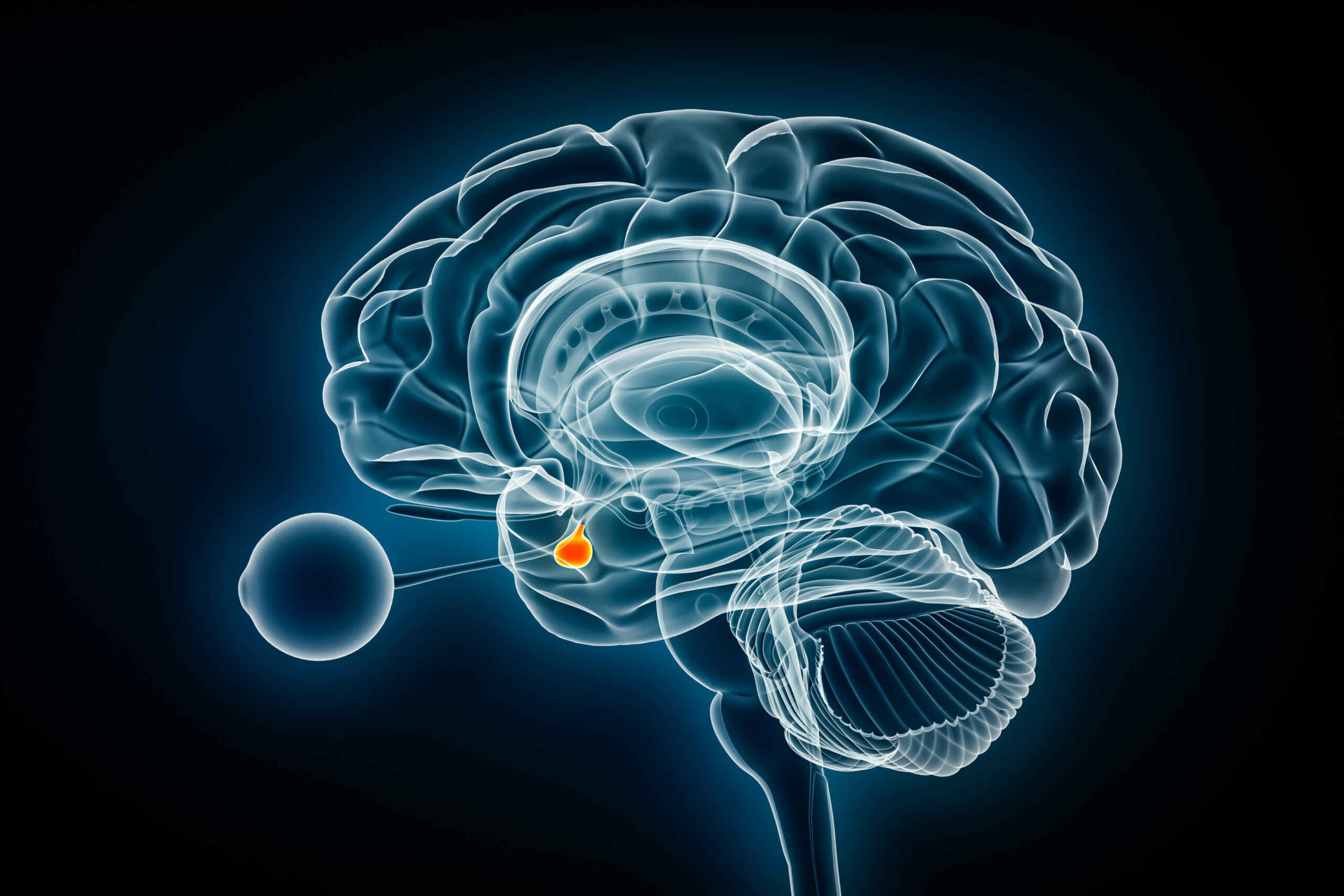
We are delighted to announce Dr Hironori Bando as a touchENDOCRINOLOGY Future Leader 2026, recognized for his contributions to pituitary research and clinical endocrinology.
Dr Hironori Bando is Associate Professor in the Division of Diabetes and Endocrinology, Department of Internal Medicine, at Kobe University Graduate School of Medicine, Japan. A clinician-scientist with a strong background in pituitary and endocrine research, his work bridges clinical endocrinology and fundamental basic science. His research career has been shaped by training in Japan and as a postdoctoral fellow in the laboratory of Professor Sally Camper at the University of Michigan, where he developed a rigorous and creative approach to scientific inquiry. Dr Bando’s research has been recognized with several awards, including the Endocrine Society Early Investigator Award in 2025.
In this interview, Dr Bando reflects on the mentors who have shaped his career, the rewards of mentoring the next generation of researchers, and how research can strengthen clinical reasoning and ultimately contribute to improving patient care.
New insights are added regularly, covering a broad range of subspecialties and evolving clinical scenarios. Sign up below for Free Access to the latest clinical updates in your specialty!
Can you tell us about a mentor who has significantly influenced your career?
As a clinician-scientist, I have been fortunate to receive guidance from many outstanding mentors throughout my career. However, if I were to identify one person who has had a particularly profound influence on my development, it would be Professor Sally Camper (University of Michigan), who served as my postdoctoral mentor.
During my graduate training, my research focused primarily on elucidating the pathophysiological mechanisms underlying clinically relevant endocrine disorders, particularly diseases of the pituitary gland. At that time, I was fortunate to be mentored by Dr Genzo Iguchi under the leadership of Dr Yutaka Takahashi. In contrast, when I joined the Camper laboratory as a postdoctoral fellow, I made a major transition to fundamental basic science research. When I first began working in her laboratory, I had no idea where to start. Under her mentorship, however, I learned not only the principles and methodologies of pituitary research, but also how to approach scientific questions critically, rigorously and creatively.
I consider myself extremely fortunate that I am still able to seek her advice and benefit from her guidance. What I learned from her, however, extended far beyond scientific knowledge and research methodology. Through working closely with her, I was able to experience firsthand how an effective mentor supports the development of individual researchers and how a successful laboratory is built and managed. I believe that the reason so many former members of her laboratory continue to hold her in such high regard is that what they learned from Sally extended well beyond science itself.
I have now reached a stage in my career where I am responsible for mentoring graduate students in research, as well as residents and medical students in clinical settings. As I take on these responsibilities, I aspire to become the kind of mentor that Sally has been for me.
What has been the most rewarding moment in your journey so far?
While it is undoubtedly rewarding to conduct research independently, write a manuscript, and ultimately see it accepted for publication, I derive equal, if not greater, satisfaction from witnessing the success of the experiments carried out by the junior researchers whom I have mentored and seeing their efforts culminate in peer-reviewed publications. For me, mentorship is therefore not simply about supporting the completion of an individual research project. It is about fostering the next generation of scientists and helping them develop the intellectual curiosity, technical expertise, and confidence required to pursue their own scientific questions. I believe that when these junior researchers eventually become mentors themselves and pass on their knowledge, experience, and enthusiasm to the next generation, the impact of mentorship can extend far beyond a single laboratory or research project. In this way, a seemingly small investment in the development of one young researcher may initiate a good “butterfly effect,” creating a continuous cycle of mentorship, discovery, and innovation that ultimately gives rise to increasingly impactful and outstanding research.
What advice would you give to medical students or early-career professionals considering a career in endocrinology?
I would like to offer my comments from the perspective of a researcher whose primary background and identity remain in clinical practice. I still consider myself relatively early in my own career, and I recognize that there may be only so much I can offer to students and younger physicians. Nevertheless, through my research experience, I have come to increasingly appreciate that engaging in scientific inquiry can deepen our clinical insight as physicians. Research cultivates rigorous, logical thinking, and I believe this intellectual training enables us to consider each patient’s condition from a more mechanistic, pathophysiological perspective. Ultimately, such an approach may lead to more sophisticated, mechanism-based clinical practice. I would be truly gratified if this, in turn, contributed to improving our patients’ prognosis and quality of life. In the midst of increasingly demanding clinical, educational, and administrative responsibilities, it is understandable that finding the time and energy to engage in research can be difficult. Research may sometimes appear to be a detour from the immediate demands of clinical practice. However, I firmly believe that gaining research experience, in any form, can directly enhance the quality of clinical care and open doors to broader connections with the international scientific and medical community.
More content in pituitary disorders.
Cite: Dr Hironori Bando on the impact of research, mentorship and clinical practice: touchENDOCRINOLOGY Future Leader 2026. touchENDOCRINOLOGY. September 2026.
Disclosures: This short article was prepared by touchENDOCRINOLOGY in collaboration with Dr Hironori Bando. No fees or funding were associated with its publication.
Editor: Carla Junkier, Editorial Director.