DiaLeb’s annual International Women’s Day panel highlighted the need to move beyond visibility toward meaningful inclusion of women’s lived experiences in diabetes care and decision-making.

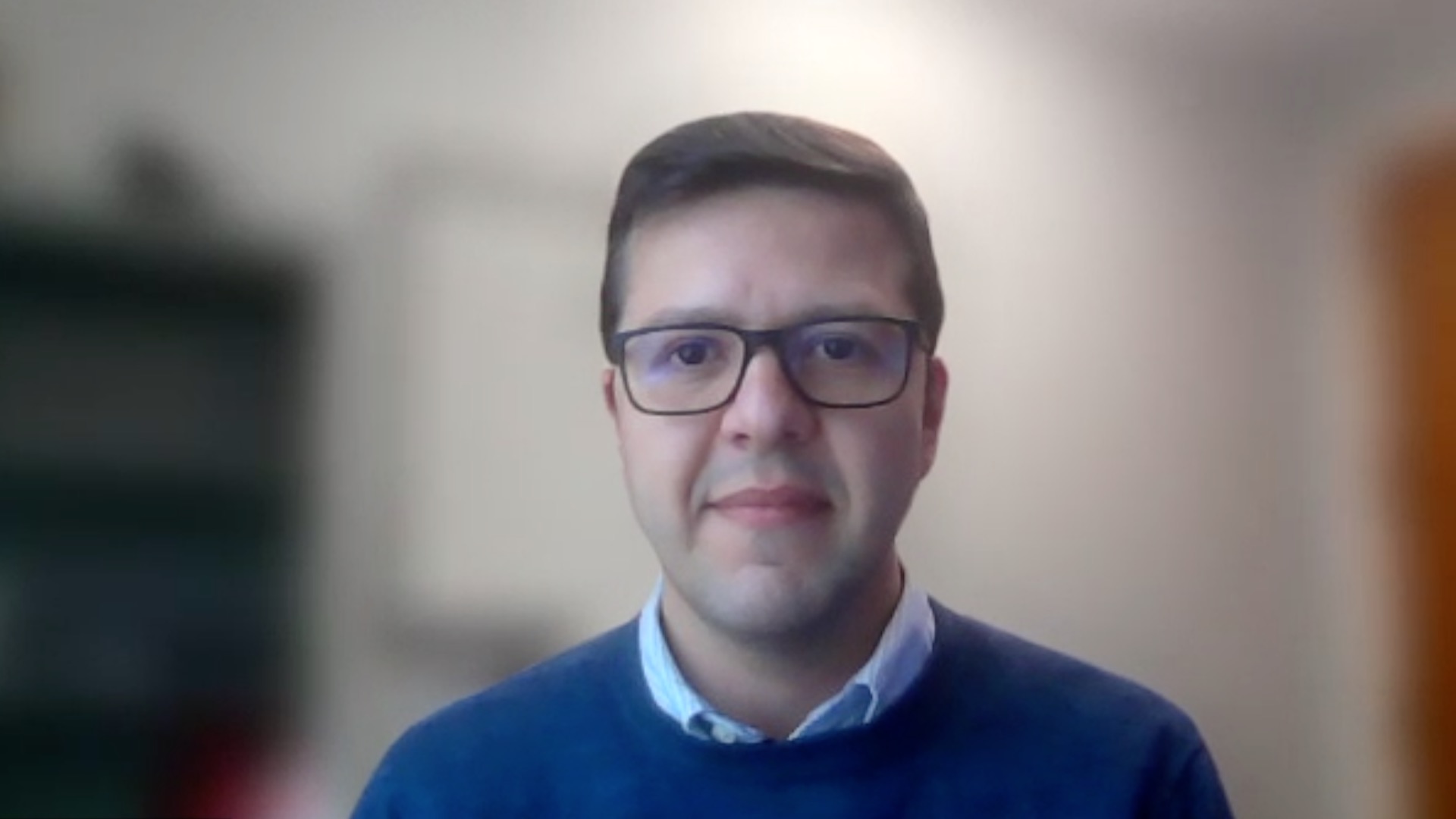
DiaLeb’s annual International Women’s Day panel, “Empower Her Health: Bridging Women’s Diabetes Care,” brought together clinicians, advocates, and women living with type 1 diabetes to explore the realities of women’s health beyond traditional clinical frameworks. In this interview, Sylvie Maalouf Issa (Co-founder and Managing Director, DiaLeb – The National Diabetes Organization) reflects on the key insights from the discussion, including the importance of visibility, lived experience, and co-creation in shaping diabetes care. She highlights persistent gaps in women’s health, from limited life-course approaches to ongoing stigma and systemic inequities.
New insights are added regularly, covering a broad range of subspecialties and evolving clinical scenarios. Sign up below for Free Access to the latest clinical updates in your specialty!
What were the key takeaways from this year’s International Women’s Day panel on women’s health and diabetes?
This year’s panel entitled “Empower Her Health: Bridging Women’s Diabetes Care,” was an inspiring conversation with some incredible women leaders in diabetes advocacy. Starting with opening remarks from DiaLeb’s president, Dr Jackie Maalouf, learning from the healthcare expertise of Dr Nitti Pal, president-elect of the International Diabetes Federation, and her loved experience as mother of a son living with type 1 diabetes, and two incredible women living with type 1 diabetes, Linxi Mytkolli, founding board member of Voices in Action: Global Advocates in Diabetes and Director of Patient Engagement at Diabetes Action Canada, and Renza Scibilia, diabetes advocate and activist, and is Senior Director of Global Responsibility at Breakthrough T1D.
On International Women’s Day, we often celebrate women’s strength. But this year’s panel focused on something deeper than strength- visibility. As a woman living with type 1 diabetes for almost 20 years, I know what it feels like to manage numbers in silence. To carry the invisible calculations (insulin doses, glucose levels, risk assessments) while also carrying expectations: to show up, to care for others, to succeed, and to endure. Women are continuously balancing diabetes management with societal expectations, caregiving roles, and professional responsibilities, often within systems that were not designed with them in mind.
In addition, women with diabetes are not just managing a condition. We are navigating systems that were not designed around our realities. We are caregivers before patients. We are advocates before being heard. We are often expected to be resilient instead of being supported. A major takeaway was the recognition that expertise in diabetes extends far beyond clinical knowledge and shows up in different shapes and ways. The panellists discussed the four Ls of expertise and experience: Lived (people living with diabetes), Loved (caregivers of loved ones with diabetes), Learned (researchers and scientists in the field of diabetes) and Laboured (health professionals, clinicians, nurses, and health educators). A potential fifth L was discussed: Language, and in particular how language and narratives lead to stigma and discrimination.
The discussion highlighted that real empowerment means access. It means affordability. It means gender-responsive care. It means women not only receive healthcare but shaping it. The panel strongly advocated for a transition from tokenistic inclusion to meaningful co-creation, where women are not just invited to discussions but are actively shaping decisions.
What are the biggest gaps in diabetes care for women today?
One of the most significant gaps is the narrow framing of women’s health within diabetes care. Conversations are often limited to pregnancy and reproductive health, neglecting the broader spectrum of women’s lived experiences. We discussed how women navigate diabetes across life stages, from adolescence to pregnancy to menopause, and how care models fail to reflect that continuum.
Globally, diabetes care is still not designed around these realities, even though conditions like gestational diabetes affect millions of women annually. There is also a critical lack of research and clinical training on how hormonal changes affect diabetes management. Many women are left to navigate these complexities independently, often learning through trial and error. This highlights a systemic failure to provide adequate, evidence-based, and gender-sensitive care.
Another major gap is the persistence of stigma and inequality. In many contexts, women face delayed diagnoses, reduced access to treatment, and social consequences tied to their condition. In some settings, diabetes can impact marriage prospects, employment opportunities, and social inclusion. As one panelist put it “a woman’s diabetes doesn’t exist in a vacuum; it lives inside her roles, her family, her expectations.”
Finally, the healthcare system often relies heavily on self-advocacy. While empowering, self-advocacy should not be a prerequisite for receiving quality care. Not all women have the resources, confidence, or support to advocate for themselves, making this an inequitable expectation.
What challenges and lessons have you learned as a woman leading a health advocacy organization like DiaLeb?
Leading a health advocacy organization as a woman has highlighted both the strength and the challenges of representation. Women often take on multiple roles simultaneously: leaders, caregivers, advocates, while also navigating societal expectations and systemic barriers. One key lesson is that advocacy must move beyond awareness and into action. Raising awareness is important, but it must translate into policy change, improved access to care, and stronger health systems. This requires persistence, collaboration, and a clear focus on impact. Another important lesson is the value of lived experience as a driver of change.
Additionally, it is essential to recognize and value the contributions of people with lived experience. Too often, their involvement is voluntary or undercompensated, despite the significant time and expertise they bring. Ensuring fair recognition and compensation is a key step toward more equitable and sustainable advocacy.
Personally, leading DiaLeb as a woman living with type 1 diabetes has been both deeply personal and profoundly challenging. One challenge is advocating in spaces where lived experience is still undervalued compared to clinical data. Yet, I’ve learned that our stories are data too; they reveal what numbers alone cannot. Storytelling is a powerful advocacy tool, not only for connecting communities but also for influencing healthcare professionals and policymakers. Personal narratives help bridge the gap between data and reality, making issues more tangible and urgent. Advocacy requires persistence, especially when you are pushing lived experience alongside scientific evidence.
But the most important lesson has been this: authenticity is power and drives impact. Being open about living with type 1 diabetes has allowed me to lead with credibility and empathy. My lived experience is not a limitation; it is my strongest leadership tool. As a panelist expressed, “leadership in health isn’t just about knowledge, it’s about proximity to the problem.” That is something I carry with me every day at DiaLeb.
How can healthcare systems better include the voices of women living with diabetes in decision-making?
Healthcare systems must move beyond symbolic inclusion toward genuine partnership. Women living with diabetes should be embedded as equal stakeholders in research, policy development, and healthcare design processes. Representation must not be just symbolic; genuine representation must be leveraged to directly shape policy, priorities, and outcomes. This includes providing financial compensation for their time and expertise, ensuring diverse and representative participation, and creating opportunities for meaningful engagement at all levels of decision-making.
Training healthcare professionals to understand and integrate lived experience is also essential. This requires shifting from a purely clinical approach to a more holistic, person-centered model of care that values communication, empathy, and trust. Furthermore, engagement must extend beyond traditional healthcare settings. Community-based approaches, including collaboration with pharmacists, community health workers, and peer educators, can help ensure that care is accessible and relevant to women’s daily lives. Finally, addressing stigma is crucial. Women must feel safe to share their experiences without fear of discrimination or negative consequences. Creating inclusive and supportive environments is key to ensuring that their voices are not only heard but acted upon.
What connects all of it is this: women with diabetes are not asking for special treatment. We are asking for intentional design. We must:
- Design policies that account for caregiving burdens.
- Design research agendas that include women at the design stage and as co-authors.
- Design language that heals rather than harms.
 At DiaLeb, our commitment is to continue building those bridges between patients and policymakers, between community and clinic, between Lebanon and the global diabetes movement.
But real change requires all of us. Because when we empower her health, we strengthen families, communities, and entire health systems.
This annual webinar is one of such efforts. Thank you for being part of this movement. And thank you for believing that better is possible.
This short article was produced by touchENDOCRINOLOGY in collaboration with DiaLeb. Views expressed are the speaker’s own and do not necessarily reflect the views of Touch Medical Media.
This article was created by the touchENDOCRINOLOGY team utilizing AI as an editorial tool (ChatGPT [Large language model]. https://chat.openai.com/chat.) The content was developed and edited by human editors. No funding was received in the publication of this article.
Cite: Rethinking Women’s Diabetes Care Through Lived Experience. touchENDOCRINOLOGY. April 2026.
Editor: Carla Junkier, Editorial Director.