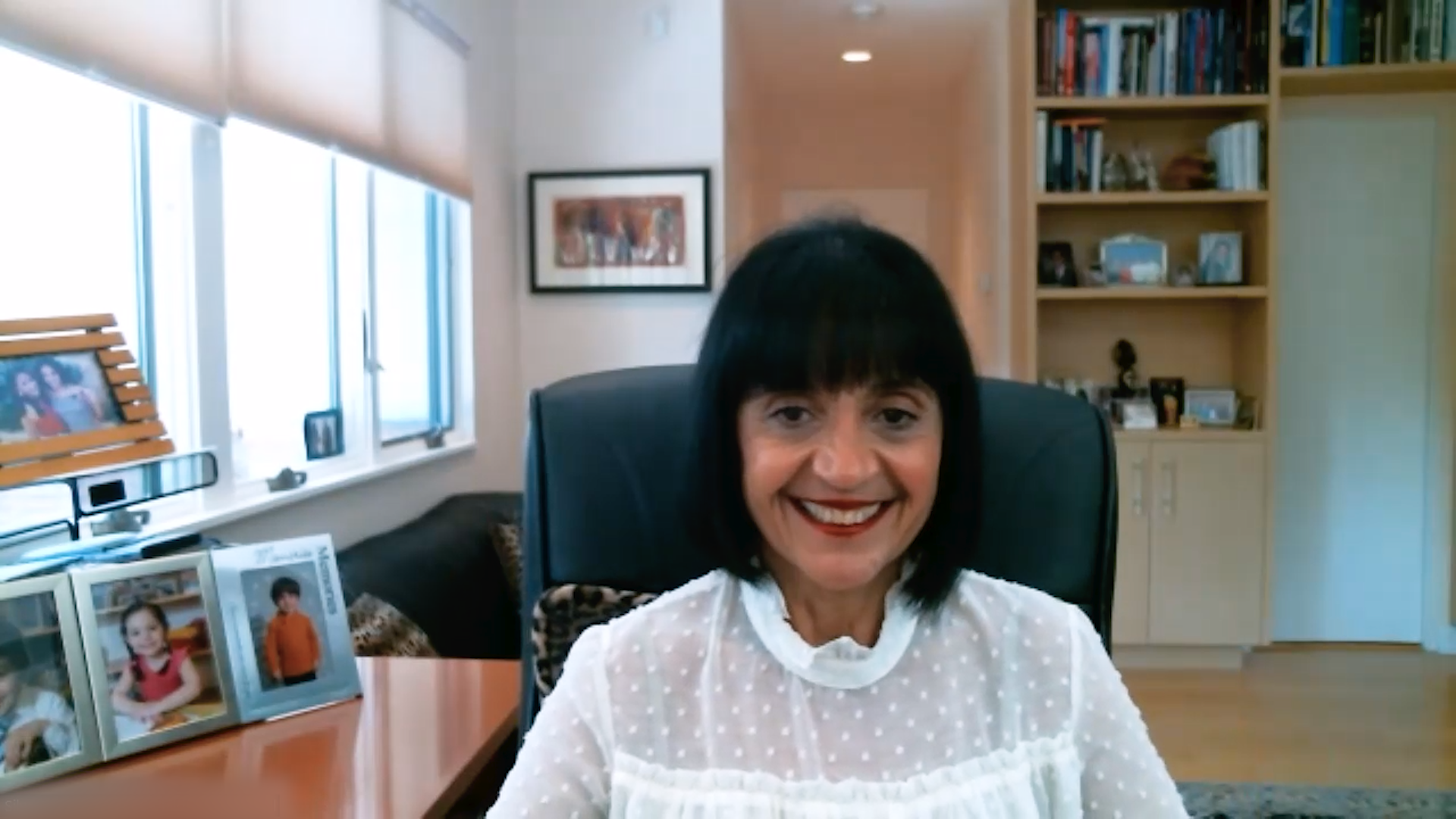

As part of our short series showcasing expert perspectives from our faculty, Paul Dimitri (Sheffield Children’s Hospital, Sheffield, UK) shares his insights on the evolving landscape of paediatric endocrinology. He discusses the challenges of delivering equitable, personalized care in increasingly complex health systems, the growing impact of artificial intelligence on clinical practice, and the opportunities AI offers to enhance decision-making and inclusivity. He also offers guidance for early-career healthcare professionals navigating a specialty shaped by rapid technological and scientific change.
What do you see as the single biggest challenge facing your specialty today?
One of the single biggest challenges facing paediatric endocrinology today is the integration of personalized, equitable care within increasingly complex and fragmented health systems, especially as chronic endocrine conditions intersect with digital health, genomics and psychosocial factors. The surge in digital tools offers promise, but also raises questions about data governance, equity of access and clinical relevance. Paediatric endocrinology must lead in evaluating and integrating these tools meaningfully, especially for vulnerable populations.
What development over the last year has had the biggest impact on your clinical practice?
This year, the most transformative development in my clinical practice has been the growing integration of artificial intelligence (AI) into paediatric endocrinology, particularly in how we interpret growth data, predict outcomes and personalize care.
What excites you most about the potential of AI in your field?
What excites me most about the potential of AI in paediatric endocrinology is its ability to transform complexity into clarity, giving us sharper insights, faster decisions, and more personalized care for children. It has the potential to integrate genomic and phenotypic data, offering tailored treatment pathways for children with complex endocrine syndromes or late effects of treatment. It will support decision-making in rare or multifactorial endocrine conditions. When used wisely, AI will help us spend less time chasing data and more time listening, explaining and supporting families. It can help us design digital tools that adapt to neurodiversity, cultural context and developmental stage, making care more inclusive and responsive. The challenge now is to embed AI ethically, equitably and transparently, so that it becomes a trusted partner in paediatric care, not just a clever tool.
If you could give one piece of advice to early-career HCPs entering the field now, what would it be?
If I could offer one piece of advice to early-career healthcare professionals entering paediatric endocrinology today, it would be this: stay relentlessly curious and never lose sight of the child behind the data. The field is evolving rapidly, with AI, genomics, and digital health reshaping how we diagnose and manage endocrine conditions, but the heart of our work remains unchanged: listening, understanding, and advocating. Learn to navigate complexity with humility, collaborate across disciplines, and embrace technology not as a replacement for empathy, but as a tool to deepen it. Your clinical decisions will shape lives, so make them with rigour, compassion, and a commitment to equity.
Disclosures: This short article was prepared by touchENDOCRINOLOGY in collaboration with Professor Dimitri. No fees or funding were associated with its publication.
Looking for more expert insights? Take a look at our recent expert perspectives:
SIGN UP to touchENDOCRINOLOGY!
Join our global community today for access to thousands of peer-reviewed articles, expert insights, and learn-on-the-go education across 150+ specialties, plus concise email updates and newsletters so you never miss out.