
Thyroid Disorders
An Introduction to Thyroid Disorders
Thyroid disorders encompass primary thyroid disease (hypothyroidism, thyrotoxicosis, thyroid enlargement), thyroid cancer and thyroid disease in pregnancy. Hypothyroidism is a highly prevalent global health problem. It can be successfully managed by lifelong treatment with levothyroxine, but challenges include underdiagnosis, optimal treatment of subclinical hypothyroidism, and the use of levothyroxine monotherapy versus combination with triiodothyronine. Thyroid cancer advances include therapies targeting the MAPK and PI3K/AKT/mTOR pathways, or VEGF, and have resulted in significant clinical benefits. Immunotherapies also appear promising. However, improved options are needed for patients with radioiodine-refractory differentiated thyroid cancer and undifferentiated cancers.
Browse our gallery of video highlights and short articles from the conference hub, providing the latest expert insights from major conferences and peer-reviewed articles from the journal portfolio.
Our supporting partners do not constitute an endorsement of the content on this page.


New data presented at ENDO 2026 highlighted the continued evolution of endocrine care, with studies spanning rare disease management, long-term hormone replacement, artificial intelligence-supported screening and real-world treatment outcomes. Across several presentations, investigators reported sustained improvements in biochemical, metabolic, skeletal and patient-reported outcomes, while also emphasising the importance of long-term follow-up and careful interpretation of emerging data.

Highlights Autoantibodies refine autoimmune thyroid disorder diagnosis and risk. Thyroid-stimulating hormone receptor antibody predicts relapse, severity and foetal impact. Thyroid peroxidase antibody and thyroglobulin antibody linked to fertility outcomes. Novel antibodies expand thyroid autoimmunity scope. The interplay between immunology and ...

There is no doubt that artificial intelligence was one of the fastest-moving technologies of 2025. Advances in predictive analytics, pattern recognition across large datasets, and the integration of genomic, phenotypic and real-world data are already beginning to reshape how clinicians diagnose disease, stratify risk and personalise care. We asked some of the experts that have collaborated with touchENDOCRINOLOGY what excites them most about AI and how they see it influencing clinical practice.

In this roundup, members of the touchNDOCRINOLOGY Expert Faculty share their perspectives on the advances that shaped research and practice over the past year, highlighting a discipline in transition and looking ahead to the opportunities of 2026.

Welcome to the latest edition of touchREVIEWS in Endocrinology, which features a diverse selection of editorials, reviews and original research articles that highlight both the progress and the ongoing challenges in translating pathophysiological insight into patient-centred care. We begin with ...
As touchENDOCRINOLOGY approaches 22 years of providing education for busy endocrinologists, we are looking to the future—and it certainly looks bright! This year, we are celebrating our inaugural touchENDOCRINOLOGY Future Leaders to recognize the outstanding talent that has entered our ...

Thyroid eye disease (TED), also known as Graves’ orbitopathy, is a complex autoimmune disorder driven by an interplay of immune cells, orbital fibroblasts and tissue remodelling factors that lead to inflammation, oedema and, ultimately, potential vision loss.1 While the disease ...

Physician burnout is at a critical point. In this episode, Nicky speaks with Dr Alfred Atanda about why so many physicians are burning out and what can be done to change the trend. From personal experience to system-wide solutions, Dr Atanda shares valuable insights on improving physician well-being and building a more effective healthcare culture.

What if your medical degree could launch more than a clinical career? In this candid and compelling read, Dr Jon Edelson shares his lessons for early-career clinicians ready to think beyond the bedside and explore the business of medicine.
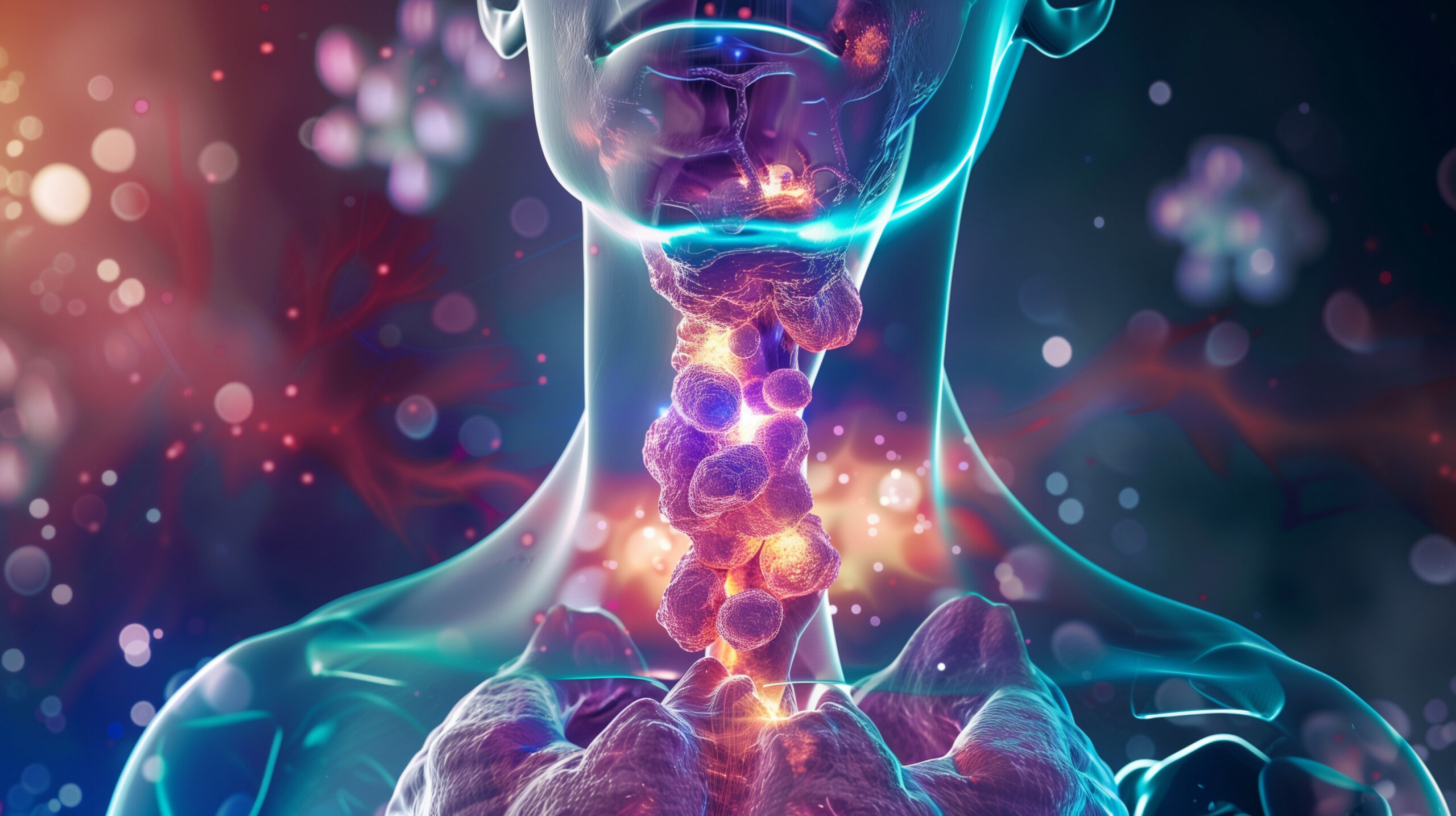
Eneboparatide is an investigational parathyroid hormone receptor 1 (PTH1R) agonist, designed to bind with high affinity to a specific conformation of PTH1R, which is expressed in the kidneys and bone. The goal of treatment is to restore function by producing sustained and stable levels of calcium in the blood and by restoring calcium reabsorption by the kidney.2,3 Eneboparatide has been developed to have a short half-life in order to preserve bone health.
It is with great pleasure that we present this latest issue of touchREVIEWS in Endocrinology, which brings together a diverse array of high-quality articles focused on the evolving landscape of endocrine disorders. The importance of patient-centred care is exemplified in ...

This systematic review and meta-analysis investigate the efficacy of teprotumumab, a novel monoclonal antibody, in reducing proptosis for patients with long-duration thyroid eye disease (TED). While teprotumumab has shown promise in treating active TED, its effectiveness in chronic cases remained ...

Hypercalcaemia is a common clinical condition in hospitalized patients. Malignancies and primary hyperparathyroidism (PHPT) are the two most common causes of hypercalcaemia in hospitalized patients.1–3 Apparently, there is a changing profile of hypercalcaemia in India, especially in hospital settings, because ...
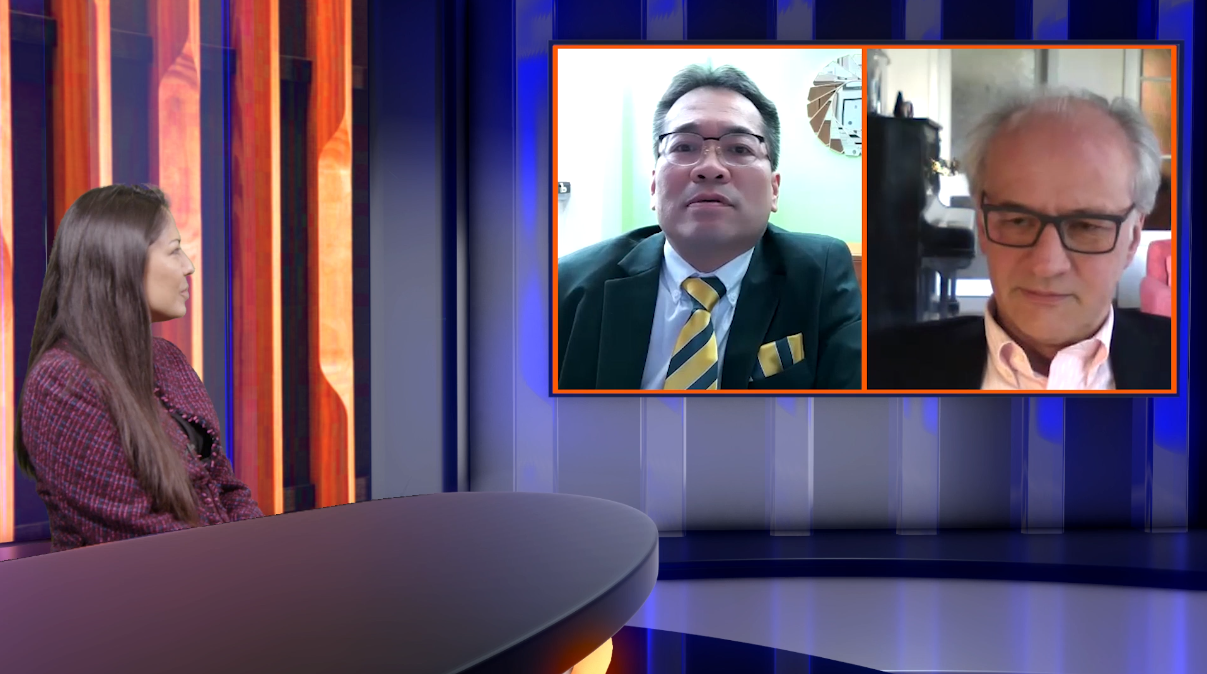



Members of the endocrinology community gathered in Stockholm, Sweden, for the 26th European Congress of Endocrinology (ECE 2024), eager to explore the latest advancements and exchange knowledge and insights. Here are some of the standout abstracts that captured our attention:
Hyperthyroidism is prevalent in 0.1–2.5% of the population, and Graves’ disease is diagnosed in 80% of patients with hyperthyroidism.1,2 This condition arises from the uncontrolled, excessive activation of the thyroid-stimulating hormone (TSH) receptor by autoreactive TSH-receptor antibodies.2 Elevated thyroid hormones in hyperthyroidism ...

Thyroid nodules are common worldwide, and their prevalence is increasing. Most nodules are asymptomatic and detected incidentally on cross-sectional imaging or physical examination. In rare cases (10–15%), nodules are malignant and require diagnostic evaluation. Even malignant nodules frequently show non-aggressive behaviour.1 ...
Welcome to the latest edition of touchREVIEWS in Endocrinology, which features a range of review, case report and original research articles that highlight some key developments in our understanding and management of endocrinological disease. We begin with a commentary from ...
Log into your Touch Account
Keep track of your clinical interests and newsletter subscriptions.
Sign up with an Email
Or use a .
Register now for FREE access
Already registered? Login below.
