 The European Association for the Study of Diabetes (EASD) Early Career Academy (ECA) has rapidly become a central initiative supporting the professional development of emerging clinicians and researchers in diabetology. Established to foster mentorship, collaboration and career progression, the Academy aims to strengthen the next generation of leaders in diabetes research and clinical care.
In this interview, incoming ECA Chair Professor Robert Wagner discusses his vision for the Academy, reflects on its most impactful initiatives and outlines how EASD plans to further support early-career members through mentorship, networking and training opportunities. He also shares personal insights from his own career path and practical advice for those entering the field.
First of all, I would like to thank my predecessor, Prof. Patrick Schrauwen, who has been instrumental in establishing the EASD Early Career Academy about three years ago and has really shaped this initiative to provide early career opportunities for professional development, knowledge exchange, and interaction with peers.
Today – and here I am echoing my colleagues on the EASD Board – the EASD Early Career Academy is a lighthouse within EASD’s portfolio. Our task now is to build on this success and further advance the Academy’s activities.
Over the next few years, our aim is to establish the EASD ECA as the place for the next generation of scientists and clinicians working in diabetes and related fields: a place where they can find mentoring and guidance for building their careers, access funding opportunities for their research, and become part of a strong network of peers at similar career stages. Perhaps most importantly, the Academy should not only connect early career researchers with experienced mentors, but also actively facilitate exchange among early career researchers themselves.
EASD relies on the ECA as a sounding board to understand the needs of the next generation and ensure the organization remains future-ready. For this reason, ECA Committee members sit on key EASD committees and attend Board meetings as observers. Ultimately, the ECA helps retain top talent in diabetes research and supports their progression into leadership roles within EASD, effectively serving as a talent development pipeline.
Based on participant feedback, our Mentorship Programme is evidently our most impactful initiative. We run two calls per year and have already paired more than 60 mentees with mentors – many of whom are leading figures in the diabetes field. The feedback from participants has been overwhelmingly positive, with tangible outcomes such as published papers and presentations at international congresses. Beyond these achievements, however, the programme’s real value lies in the guidance mentees receive: sharpening their research approaches, planning next career steps, and developing so-called “soft skills,” such as leadership, team management, and maintaining a healthy work–life balance.
Another major success has been our ECA annual meeting for EASD members at early career stages. This meeting took place for the first time in Pisa last year and will soon be held again, this time in Düsseldorf. One of the core aims of the EASD ECA is to connect early-career scientists and clinicians with their peers, and this is best achieved by bringing them together in one place. Nothing replaces personal, face-to-face interaction when it comes to building meaningful and lasting connections.
Looking ahead, we plan to build on and further expand these activities, while also developing new offerings. For example, we are exploring opportunities to present and discuss clinical and translational case studies, likely in collaboration with the EASD Training and Education Committee. In addition, we aim to strengthen our relationships with national diabetes associations and other early-career networks in related fields, as we believe that exchange is not only valuable among direct peers but also across borders and disciplines.
Mentorship is essential for the career development of early-career scientists and clinicians. The ECA programme itself is deliberately straightforward, placing responsibility on the mentee to actively engage and benefit from the opportunity.
However, career development cannot be achieved through ECA activities alone. The ECA should act as a multiplier, encouraging the next generation of scientists and clinicians to connect with EASD more broadly and become actively involved in the organisation. Ultimately, it is the combined and blended set of opportunities that EASD offers that prepares individuals for future academic and clinical leadership.
At an early stage, ECA activities such as the Mentorship Programme, the ECA annual meeting, webinars, and training courses organized by the EASD Training and Education Committee provide valuable entry points. As their careers progress, members may apply for research and career development funding through our foundation EFSD, submit their first abstracts to the EASD Annual Meeting, and later publish their work in one of the EASD journals. In parallel, they can deepen their engagement within the association by taking on roles in committees, writing groups, or as reviewers.
If I had to distil my own journey into a few practical points, it would be these.
First, it is worth trying out different tracks early on to find what truly fits you. My own path was not linear: I initially studied economic sciences and then moved into medicine. Even within medicine, I only discovered my real enthusiasm for diabetes research and endocrinology relatively late when I was already a board-certified internist. And despite having spent several years on a purely clinical track, I was still able to re-align with academia. That experience shows that transitions are possible, and that “detours” can become assets because they often give you a broader perspective that you can leverage later in research, clinical care, and leadership.
Second, invest deliberately in mentorship. One of the core ideas behind the ECA mentorship program is to help you identify mentors who are not only excellent scientists, but also people from whom you can learn how to lead teams, navigate institutions, and shape a career that is sustainable. Looking back, I was fortunate to work with individuals whose influence on my career was profound, often in ways I only fully appreciated retrospectively.
Finally, choose topics that genuinely motivate you. The most sustainable careers are built around questions you feel an internal need to answer; not projects you pursue simply to “tick a box.” When you are intrinsically driven, you will persist through setbacks, stay curious, and ultimately do better science and better medicine.
If you keep some flexibility in your trajectory, actively seek strong mentors, and anchor your work in genuine curiosity, you give yourself the best chance to build a career that is both impactful and personally fulfilling.
About Dr Robert Wagner
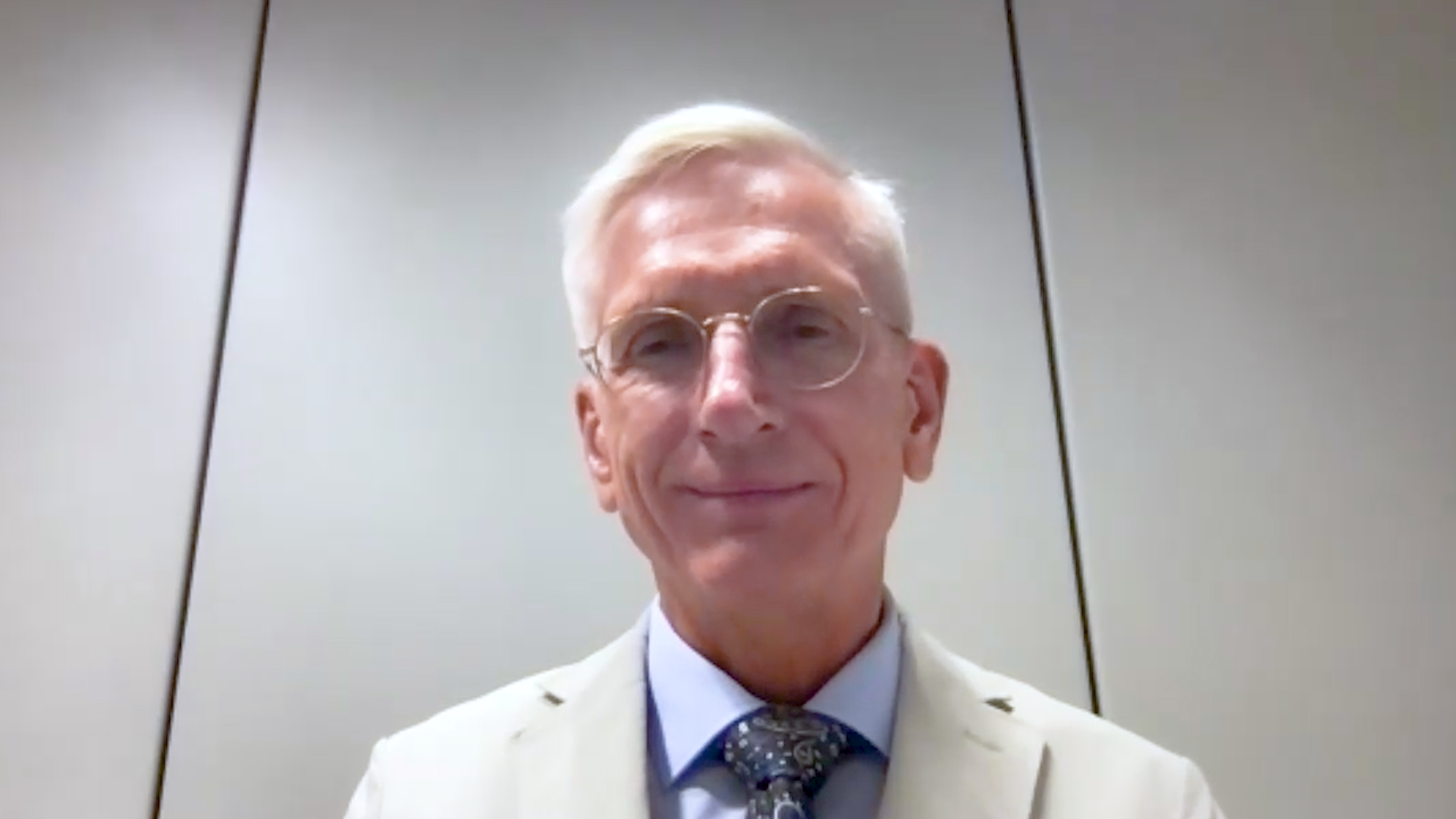
Dr Robert Wagner is Professor of Clinical Research of Diabetes and Metabolism and a clinician-scientist at Heinrich-Heine-University Düsseldorf, where he serves as Deputy Director of the Department of Endocrinology and Diabetes at University Hospital Düsseldorf. He also leads the Clinical Research Center at the Institute of Clinical Diabetology, German Diabetes Center (DDZ) (Leibniz Center for Diabetes Research), Düsseldorf. Since 2025, he has served as a Board Member of the European Association for the Study of Diabetes (EASD) and as a Board Member of the German Diabetes Association (DDG).
He studied economics and business administration at the Budapest University of Economics (today Corvinus University of Budapest) and completed his medical degree at Semmelweis University. Following early clinical training in Budapest, he continued his residency and specialist training in Germany, including Internal Medicine in Sigmaringen and subspecialty training in Endocrinology/Diabetology in Tübingen. He earned his Dr. med. with magna cum laude at University of Tübingen and completed his habilitation (venia legendi) in Internal Medicine there. In 2018, he became board-certified in Internal Medicine, Endocrinology and Diabetes.
Since 2011, Dr Wagner has been deeply involved in clinical diabetes research and has held several leadership roles spanning academic medicine and large-scale research infrastructures, including positions as senior physician and head of endocrine outpatient services in Tübingen and, subsequently, Head of the Clinical Research Center at Helmholtz Munich’s Institute for Diabetes and Metabolic Research at the Tübingen site. Since 2022, he has led clinical research activities across university medicine and a national diabetes research center in Düsseldorf.
His research is centered on understanding the pathogenetic drivers and heterogeneity of type 2 diabetes, with a focus on pathophysiology-based subphenotyping and the integration of rich clinical and biomarker phenotypes (including laboratory and genetic data), advanced imaging, and computational approaches. His work has contributed to influential publications in the field, including studies on diabetes risk subphenotypes, pancreatic and hepatic fat, and data-driven representations of type 2 diabetes heterogeneity.
Dr Wagner’s achievements have been recognized with multiple awards, including the Werner-Creutzfeldt Prize (2024), the Ferdinand-Bertram Prize (2021), and the Prevention Prize of the German Society of Internal Medicine (DGIM) (2021).
About The EASD Early Career Academy 
The EASD Early Career Academy support, train, mentor, and create opportunities for scientists, clinicians, and students in the field of diabetes who are at an early or intermediate stage of their career.
The EASD Early Career Academy provides unique opportunities for development, a platform for exchange of knowledge and experience, peer-support, and interaction with the wider EASD community. Through various activities, it will support and motivate early-career researchers and clinicians in the field of diabetes to become the future leaders that pursue excellence in diabetes care and research.
Disclosures: This short article was prepared by touchENDOCRINOLOGY in collaboration with Dr Robert Wagner. touchENDOCRINOLOGY utilize AI as an editorial tool (ChatGPT (GPT-4o) [Large language model]. https://chat.openai.com/chat.) The content was developed and edited by human editors. No fees or funding were associated with its publication.
Cite: Dr Robert Wagner: The Future of the EASD Early Career Academy. touchENDOCRINOLOGY. February 12th, 2026.
SIGN UP to touchENDOCRINOLOGY!
Join our global community today for access to thousands of peer-reviewed articles, expert insights, and learn-on-the-go education across 150+ specialties, plus concise email updates and newsletters so you never miss out.