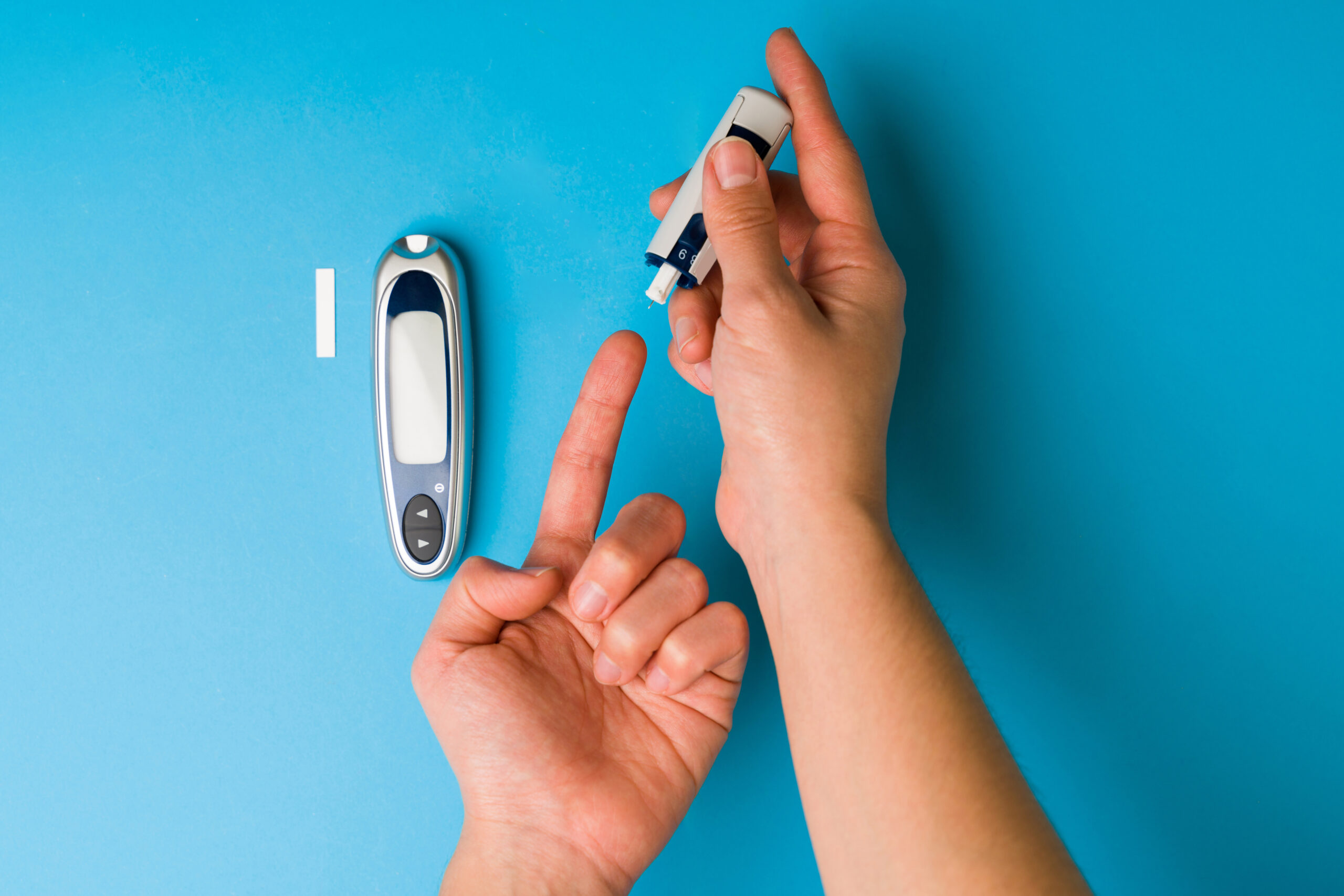

The 19th International Conference on Advanced Technologies & Treatments for Diabetes (ATTD 2026), held in Barcelona from 11–14 March, highlighted the accelerating evolution of diabetes care. This year’s meeting showcased a shift beyond glucose control alone, with growing emphasis on integrated approaches that combine advanced technologies with novel therapies to improve broader metabolic and cardiovascular outcomes.
Key data underscored the expanding role of incretin-based treatments, including semaglutide, alongside insulin in both type 1 (T1D) and type 2 diabetes (T1D). At the same time, continuous glucose monitoring (CGM) systems such as Dexcom G7 and Freestyle Libre 3 continue to demonstrate value beyond glycemic metrics, supporting behavior change and long-term management.
Together, these advances reflect a move toward more personalized, outcomes-focused diabetes care, integrating technology, pharmacotherapy, and patient engagement. In this article, we explore the key trial data presented at the meeting and consider how these findings may shape the future of diabetes management.
ADJUST T1D
Dexcom G7 Registry Data
Real-world data on Dexcom G7 from registry analyses highlighted the expanding role of CGM in non-insulin-treated T2D.
In a 12-month analysis of 214 adults, Margaret Crawford and colleagues demonstrated sustained psychosocial and behavioral benefits with G7 use. Participants experienced significant reductions in diabetes-related distress alongside meaningful lifestyle improvements, including decreased consumption of sugary drinks and fast food, and increased adherence to healthy eating and exercise. These findings suggest CGM may act as a behavioral intervention tool, reinforcing long-term self-management beyond glucose tracking.3
Complementary registry data from Thomas Martens and colleagues evaluated glycemic outcomes in 318 primary care patients over 1 year. Dexcom CGM use was associated with a significant HbA1c reduction of 0.7%, with the greatest improvements observed in those with higher baseline HbA1c. Device adherence was high, with three-quarters of participants wearing CGM at least 70% of the time.4
Together, these real-world findings support broader use of CGM in non-insulin-treated T2D, demonstrating not only modest but meaningful glycemic improvements, but also durable behavioral and psychosocial benefits that may enhance long-term management.
FREEDM2 RCT
Data from the FREEDM2 randomized controlled trial were presented showing that Freestyle Libre 3 significantly improves glycemic control in adults with T2D treated with basal insulin plus SGLT2 inhibitors and/or GLP-1 agonists. Over 16 weeks, HbA1c fell from 73 to 64 mmol/mol in the CGM group versus 73 to 71 mmol/mol with self-monitoring of blood glucose (adjusted difference −7 mmol/mol, p<0.0001). A higher proportion of CGM users reached target HbA1c levels and achieved meaningful reductions. No severe hypoglycemia occurred, supporting CGM as a safe, effective strategy to enhance glycemic management in this population.5
References
- Shah V. Adjunct therapies with automated insulin delivery ADJUST T1D study – Design and glycemic outcome [IS053 / #1231]. ATTD, Barcelona, Spain, 11–14 March 2026. Diabetes Technol Ther. 2026;28(3_suppl):1S-448S. doi:1177/15209156251412178
- Snell-Bergeon J, et al. Adjunct therapies with automated insulin delivery ADJUST T1D study – Cardiovascular outcomes [IS054 / #1232]. ATTD, Barcelona, Spain, 11–14 March 2026. Diabetes Technol Ther. 2026;28(3_suppl):1S-448S. doi:1177/15209156251412178
- Crawford M, et al. Real-world Dexcom G7 use in adults with type 2 diabetes not using insulin: Sustained reductions in distress and improvements in self-care behaviors [EP191 / #1227]. ATTD, Barcelona, Spain, 11–14 March 2026. Diabetes Technol Ther. 2026;28(3_suppl):1S-448S. doi:1177/15209156251412178
- Martens T, et al. One-year real-world impact of Dexcom CGM on hba1c in non-insulin-treated type 2 diabetes: evidence from U.S. primary care registry analysis [EP200 / #1009]. ATTD, Barcelona, Spain, 11–14 March 2026. Diabetes Technol Ther. 2026;28(3_suppl):1S-448S. doi:1177/15209156251412178
- Wilmot E, et al. Efficacy of Freestyle Libre 3 on HBA1C in type 2 diabetes treated with basal insulin plus SGLT-2 inhibitor and/or GLP-1 agonist: The FREEDM2 study [OP046 / #221]. ATTD, Barcelona, Spain, 11–14 March 2026. Diabetes Technol Ther. 2026;28(3_suppl):1S-448S. doi:1177/15209156251412178
- Beck R. Inhaled insulin use in pediatrics – INHALE 1 study [IS060 / #1127]. ATTD, Barcelona, Spain, 11–14 March 2026. Diabetes Technol Ther. 2026;28(3_suppl):1S-448S. doi:1177/15209156251412178
Citation: ATTD 2026: Key clinical trial insights in diabetes management. touchENDOCRINOLOGY. 31st March, 2026.
Disclosure: This article was created by the touchENDOCRINOLOGY team utilizing AI as an editorial tool (ChatGPT (GPT-4o) [Large language model]. https://chat.openai.com/chat.) The content was developed and edited by human editors. No funding was received in the publication of this article.
Editor: Carla Junkier (Editorial Director).
Related content
- Beyond A1c: Redefining Evidence and Policy to Advance Therapies in Type 1 Diabetes Care
- Expert Perspectives: Glenn D Braunstein highlights advances in GLP-1 therapies for diabetes, obesity and beyond
- A Clinical Review of Continuous Glucose Monitoring in the Hospital Setting
SIGN UP to touchENDOCRINOLOGY!
Join our global community today for access to thousands of peer-reviewed articles, expert insights, and learn-on-the-go education across 150+ specialties, plus concise email updates and newsletters so you never miss out.