
Search Results
Showing Results for type 2 diabetes
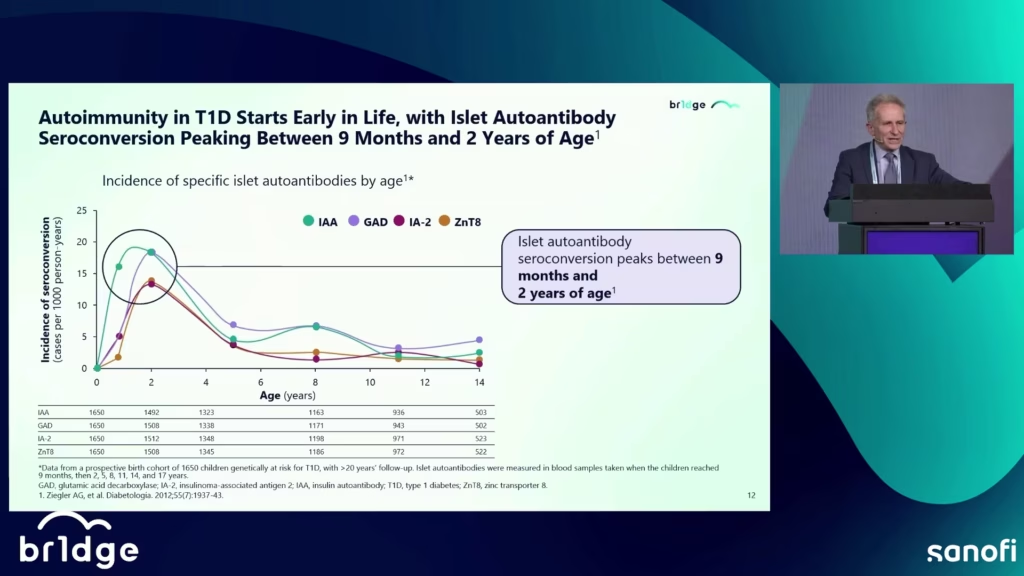
Presymptomatic autoimmune type 1 diabetes: Strategies for early screening, monitoring and management
Watch expert speakers discuss recent advances in early autoimmune T1D, with insights into screening and evolving monitoring and management strategies.

What if your medical degree could launch more than a clinical career? In this candid and compelling read, Dr Jon Edelson shares his lessons for early-career clinicians ready to think beyond the bedside and explore the business of medicine.

We are pleased to present the latest issue of touchREVIEWS in Endocrinology, which offers a timely and thoughtprovoking collection of articles that reflect both the continuity and evolution of diabetes and metabolic disease research. In an era where technology, public ...

Watch multidisciplinary speakers discuss optimising AID outcomes and individualising AID education to support children with type 1 diabetes.

In this insightful interview, Dr Veronica J. Brady, 2025 President of the Association of Diabetes Care & Education Specialists (ADCES), speaks about the organization’s mission to empower diabetes care and education specialists and improve patient outcomes. Dr Brady discusses the ...
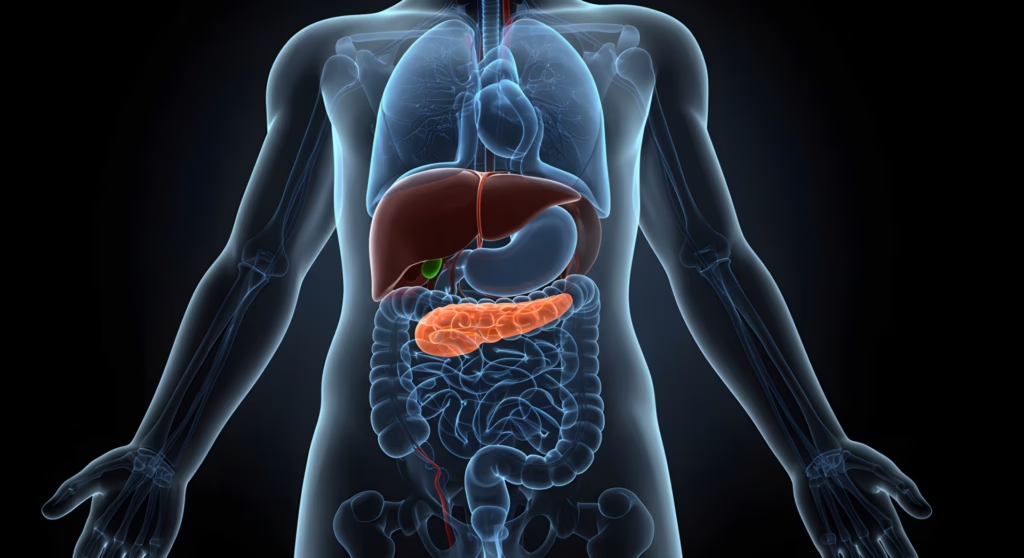
Coronavirus disease 2019 (COVID-19) is a life-threatening infection caused by severe acute respiratory syndrome coronavirus 2 (SARS-CoV-2).1 Diabetes mellitus is one of the most frequent comorbidities, related to hospitalization due to SARS-CoV-2 infection, as well as a risk factor for disease severity, ...

As we continue advancing the field of endocrinology, I’m excited to spotlight the impactful work being done by the American Association of Clinical Endocrinology (AACE). Our mission is to elevate the practice of clinical endocrinology to improve global health. ...

ATTD 2025 showcased 36 startups revolutionizing diabetes care with innovations like non-invasive monitoring, AI diagnostics, and real-time health tools. Awarded grants highlighted ATTD’s commitment to advancing personalized, tech-driven solutions that empower patients and transform global diabetes management.

The 17th ATTD Conference (Amsterdam, 19–22 March 2025) showcased major innovations in diabetes care. The 15-day Dexcom G7 CGM proved accurate and user-friendly. The RADIANT trial showed Omnipod® 5 significantly improved glucose control over injections in type 1 diabetes. In type 2 diabetes, the 2IQP Study highlighted benefits of AID systems. Teplizumab also showed potential to enhance glycaemic stability in newly diagnosed type 1 diabetes, reinforcing the role of technology and immunotherapy in advancing diabetes management.
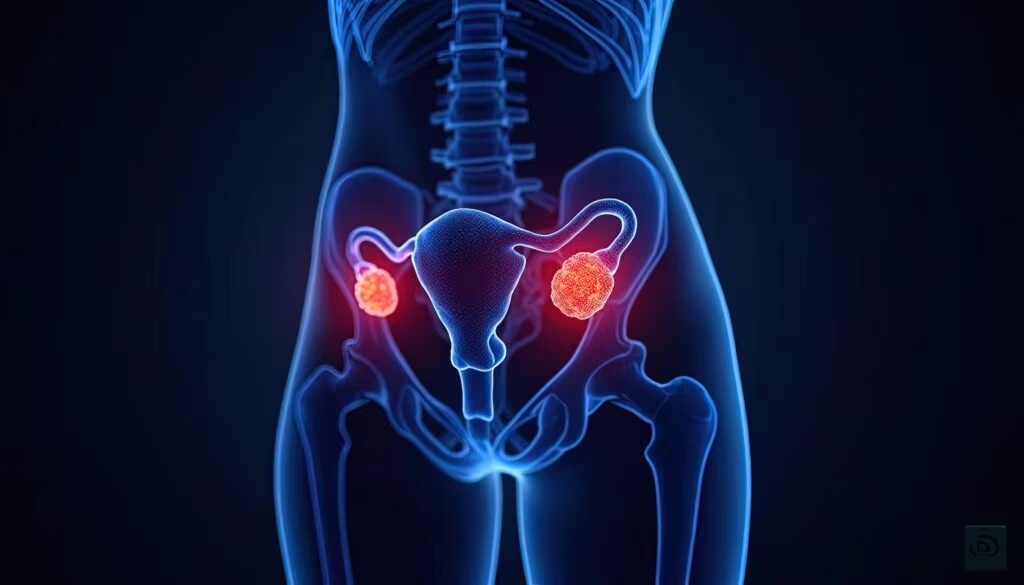
Polycystic ovary syndrome (PCOS) is a complex, multisystemic condition characterized by reproductive, metabolic and dermatologic manifestations, including hyperandrogenism and ovulatory dysfunction. Despite its prevalence and significant impact on quality of life, PCOS remains underdiagnosed and poorly managed due to its ...
Women & Diabetes takes centre stage in this interview with Zeina Abou Rizk, Founder of DiaLeb. Zeina explores the unique challenges women face in diabetes care, the power of community and advocacy, and how DiaLeb’s annual panel fosters global awareness, education, and meaningful change through lived experiences and expert insights.

Dr Linda Siminerio, a leading expert in diabetes education and healthcare delivery, shares insights from her distinguished career. Inspired by her father’s type 1 diabetes diagnosis, she has dedicated her work to improving patient education and care models. She emphasizes the importance of a team-based approach and staying ahead of technological advancements. With AI and machine learning already influencing diabetes management, she urges healthcare providers to adapt and engage with these innovations. Through her contributions, Dr Siminerio continues to shape the future of diabetes care, ensuring that patients receive the education and support they need.
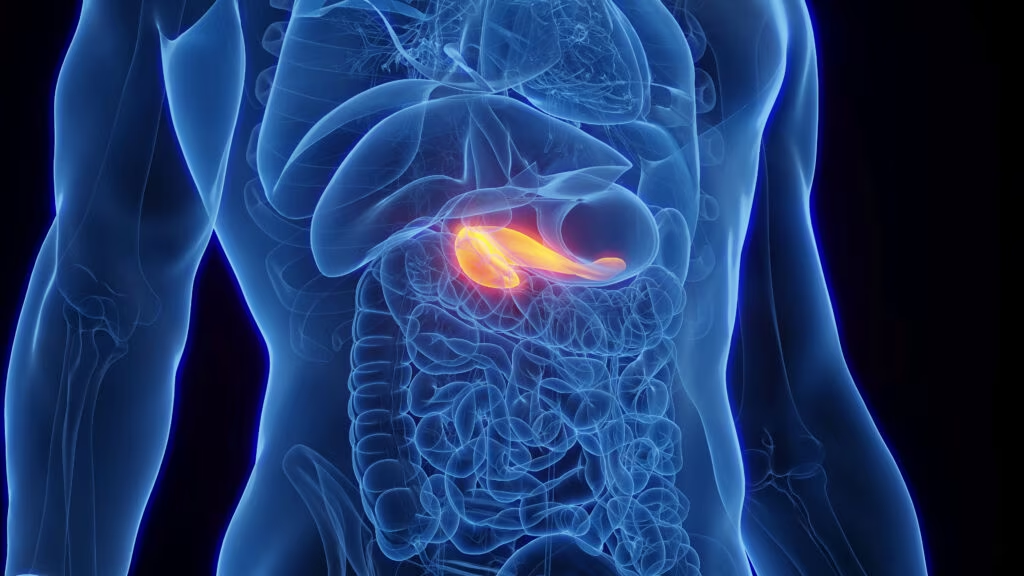
Diabetes is a chronic disease associated with both acute and chronic complications. Many advances have been introduced throughout history to address these problems. While each clinical breakthrough was welcomed with relief and the expectation that a solution had been discovered, ...
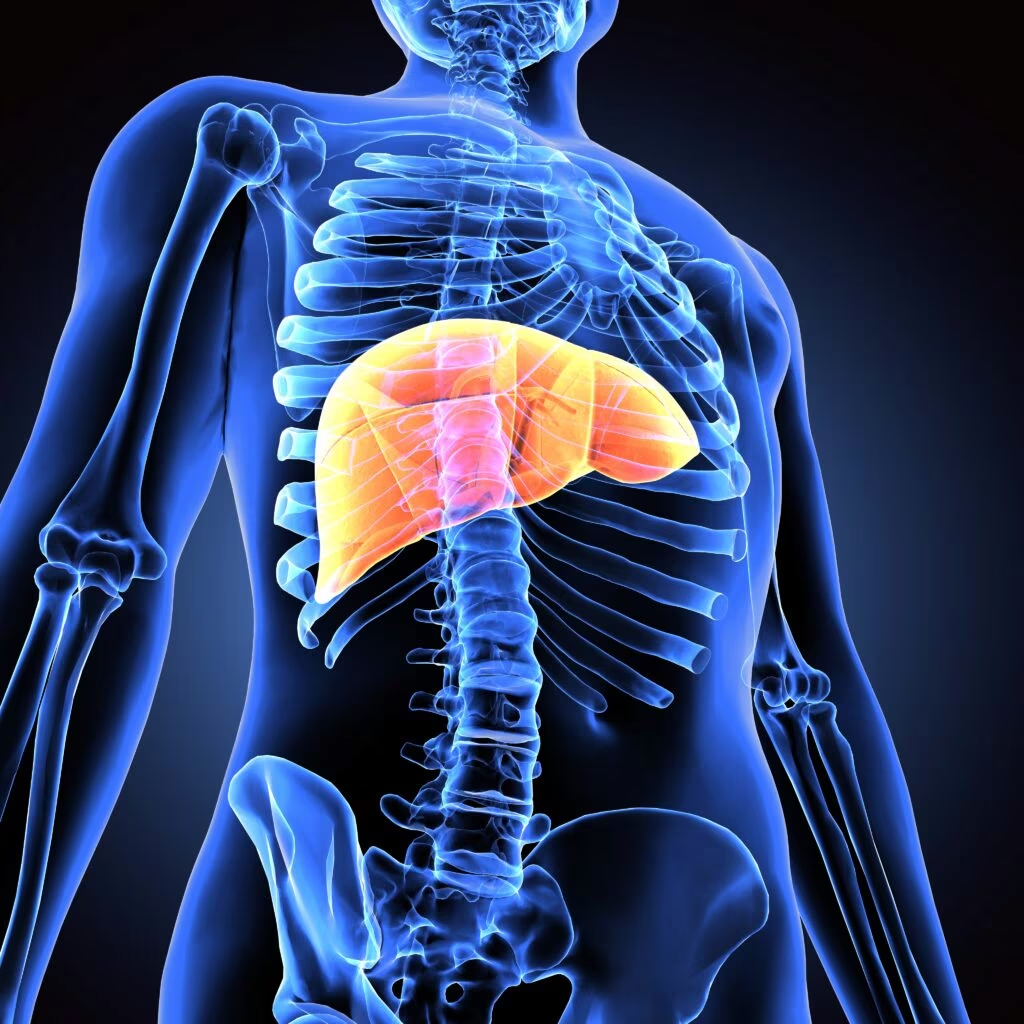
Article Highlights This study aims to find an effective and affordable biomarker panel for early non-alcoholic fatty liver disease (NAFLD) detection in Indian women with morbid obesity, given the rising prevalence of NAFLD and limited accessibility of ultrasound sonography (USG) ...

New research, published in the Nature journal, Communications Medicine has identified rare genetic variants that may contribute to the increased prevalence of type 2 diabetes (T2D) in multiple generations of Asian Indian families.1 The findings could provide new insights into ...
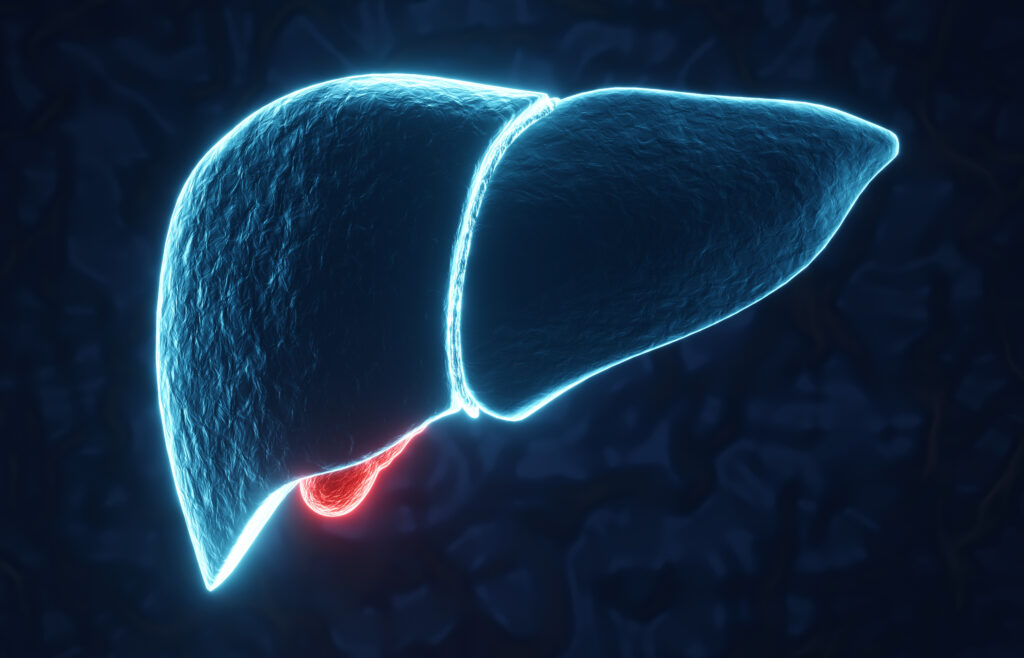
Article highlights There is growing clinical importance attributed to the development of metabolic dysfunction-associated steatotic liver disease in people with type 2 diabetes (T2D). Numerous international groups now advocate screening for advanced fibrosis in people with risk factors, such as ...
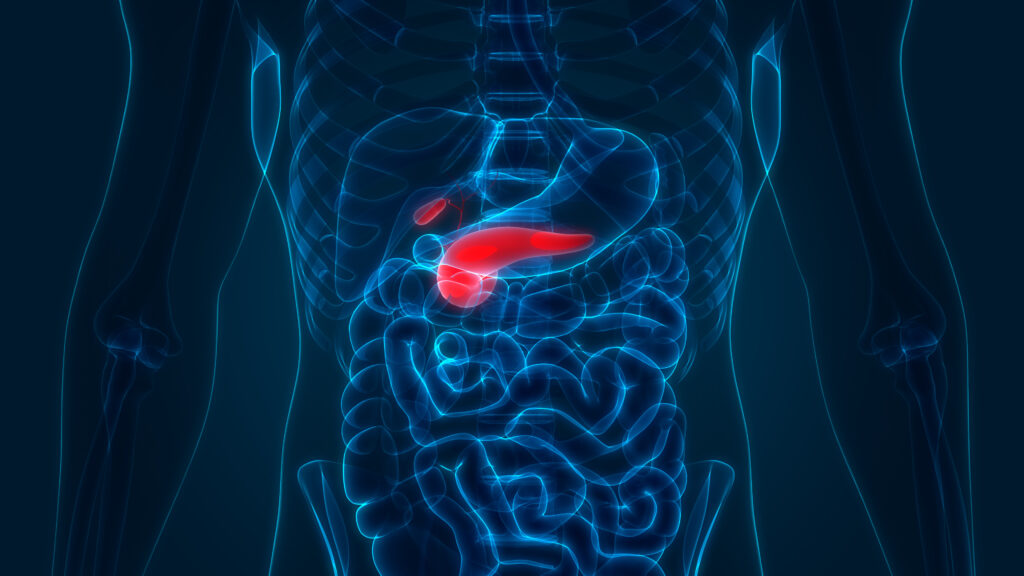
Article Highlights Early use of sodium–glucose co-transporter-2 inhibitors following myocardial infarction was associated with the following factors: Lower hospitalization for heart failure (odds ratio [OR]: 0.75; 95% confidence interval [CI]: 0.62–0.90; p=0.002). Similar cardiovascular deaths (OR: 1.04; 95% CI: 0.83–1.30; p=0.76). Similar all-cause mortality (OR: 1.00; 95% ...
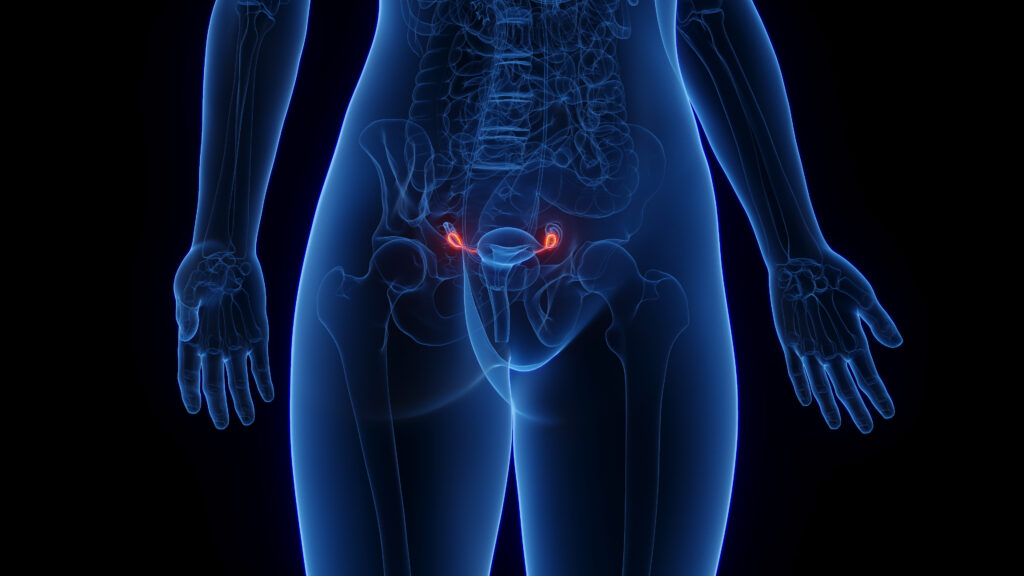
Polycystic ovary syndrome (PCOS) is the most common endocrinopathy affecting women of reproductive age and is characterized by hyperandrogenism, anovulation and insulin resistance (IR).1 Women with PCOS have a high risk of developing type 2 diabetes (T2D), dyslipidaemia, hypertension and ...
Log into your Touch Account
Earn and track your CME credits on the go, save articles for later, and follow the latest congress coverage.
Sign up with an Email
Or use a .
This Functionality is for
Members Only
Explore the latest in medical education and stay current in your field. Create a free account to track your learning.
