
Search Results
Showing Results for obesity

Physician burnout is at a critical point. In this episode, Nicky speaks with Dr Alfred Atanda about why so many physicians are burning out and what can be done to change the trend. From personal experience to system-wide solutions, Dr Atanda shares valuable insights on improving physician well-being and building a more effective healthcare culture.

What if your medical degree could launch more than a clinical career? In this candid and compelling read, Dr Jon Edelson shares his lessons for early-career clinicians ready to think beyond the bedside and explore the business of medicine.

As we continue advancing the field of endocrinology, I’m excited to spotlight the impactful work being done by the American Association of Clinical Endocrinology (AACE). Our mission is to elevate the practice of clinical endocrinology to improve global health. ...
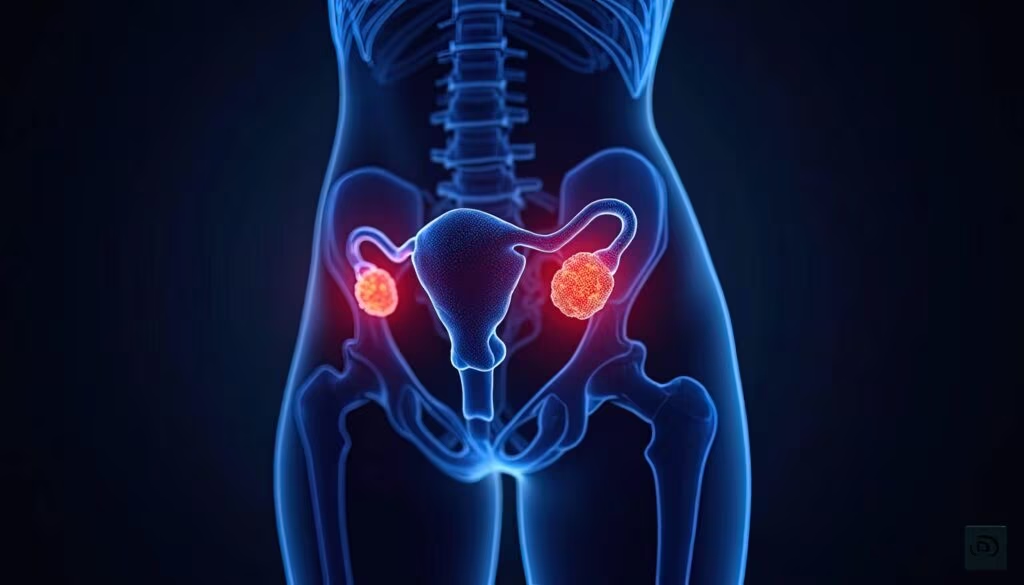
Polycystic ovary syndrome (PCOS) is a complex, multisystemic condition characterized by reproductive, metabolic and dermatologic manifestations, including hyperandrogenism and ovulatory dysfunction. Despite its prevalence and significant impact on quality of life, PCOS remains underdiagnosed and poorly managed due to its ...

Dr Svenja Nölting shares how her international experiences and dedicated mentors shaped her career in neuroendocrine oncology, discusses the profound impact of hormones on the body, and highlights the future of precision medicine in tailoring treatments for endocrine disorders.
Article Highlights This study aims to find an effective and affordable biomarker panel for early non-alcoholic fatty liver disease (NAFLD) detection in Indian women with morbid obesity, given the rising prevalence of NAFLD and limited accessibility of ultrasound sonography (USG) ...





Article highlights There is growing clinical importance attributed to the development of metabolic dysfunction-associated steatotic liver disease in people with type 2 diabetes (T2D). Numerous international groups now advocate screening for advanced fibrosis in people with risk factors, such as ...

Polycystic ovary syndrome (PCOS) is the most common endocrinopathy affecting women of reproductive age and is characterized by hyperandrogenism, anovulation and insulin resistance (IR).1 Women with PCOS have a high risk of developing type 2 diabetes (T2D), dyslipidaemia, hypertension and ...
New research presented at the Annual Meeting of the American Association for the Study of Liver Diseases (AASLD), The Liver Meeting, reveals a connection between low levels of anti-Müllerian hormone (AMH) and the risk of metabolic-associated steatotic liver disease (...
New research is shedding light on the evolving landscape of liver transplants (LT) for non-cancer conditions in the United States. Dr Abdellatif Ismail (University of Maryland Medical Center, Midtown Campus, Baltimore, MD, USA) focuses on how underlying liver diseases – and ...

In this recent video interview hosted by Sarah Manes, Liver Cancers Program Director at the Global Liver Institute (GLI), medical experts from the USA, Cameroon and Mexico came together to address the significant health disparities in rural communities. The discussion ...

Learn about barriers to effective long-term weight management and pharmacological treatment options for obesity.

The 3-year results from the SURMOUNT-1 trial, published in the New England Journal of Medicine, have revealed that tirzepatide significantly reduced the risk of progression to type 2 diabetes (T2D) in individuals with obesity and prediabetes. T2D onset was ...


It is with great pleasure that we present this latest issue of touchREVIEWS in Endocrinology, which brings together a diverse array of high-quality articles focused on the evolving landscape of endocrine disorders. The importance of patient-centred care is exemplified in ...
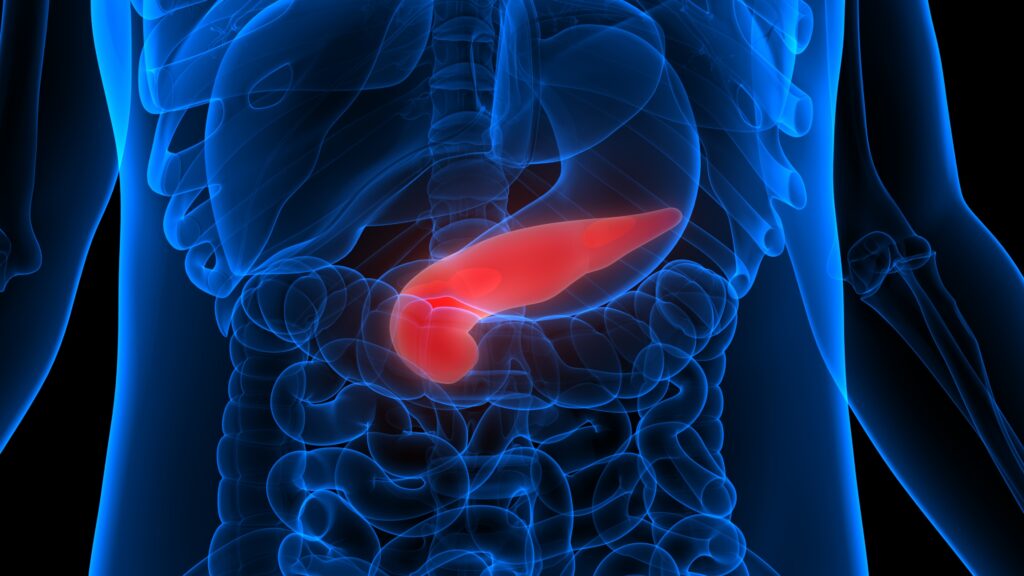
The prevalence of diabetes during pregnancy is rapidly increasing. In the USA alone, an estimated 1–2% of pregnant women have type 1 diabetes (T1D) or type 2 diabetes (T2D), and an additional 6–9% develop gestational diabetes.1 From 2000 to 2010, the prevalence of gestational ...
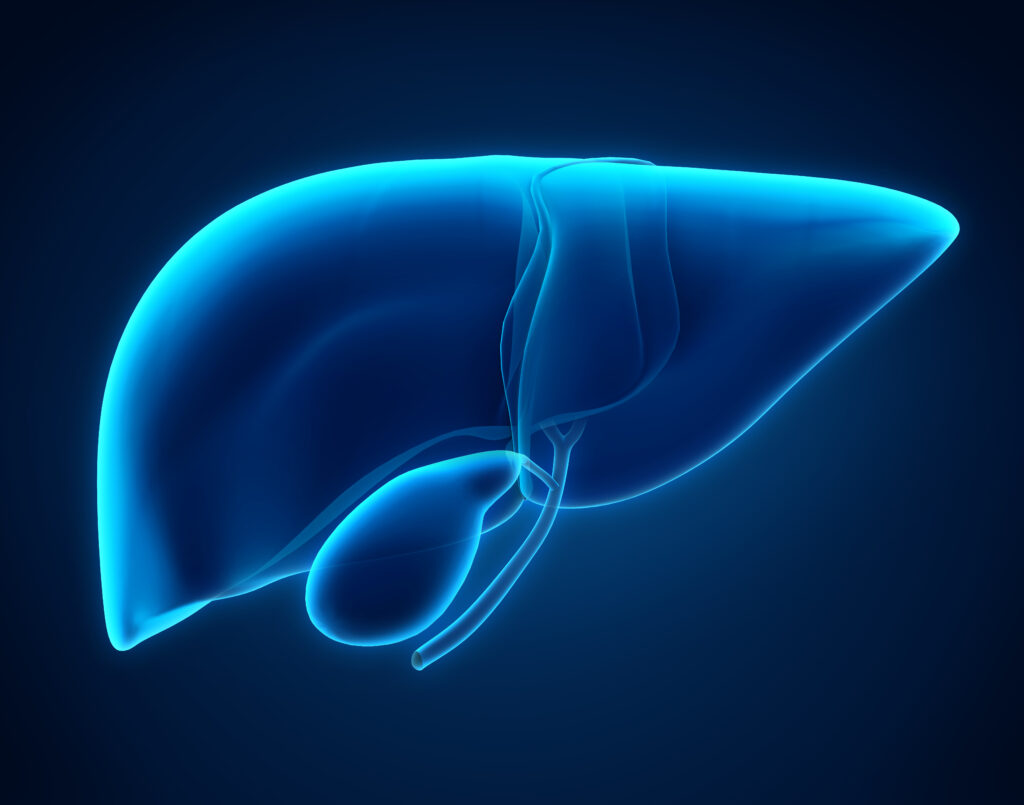
Hepatic steatosis is the liver manifestation of metabolic syndrome and a common cause of chronic liver disease. Nonalcoholic fatty liver disease (NAFLD) diagnosis relies on the presence of hepatic steatosis, defined as >5% fat accumulation in the liver, as observed ...
Log into your Touch Account
Earn and track your CME credits on the go, save articles for later, and follow the latest congress coverage.
Sign up with an Email
Or use a .
This Functionality is for
Members Only
Explore the latest in medical education and stay current in your field. Create a free account to track your learning.
