EASD

Dr Ahmed Iqbal joins the touchREVIEWS in Endocrinology Editorial Board, bringing expertise in hypoglycaemia and personalized diabetes care.

The European Association for the Study of Diabetes (EASD) Early Career Academy (ECA) has rapidly become a central initiative supporting the professional development of emerging clinicians and researchers in diabetology. Established to foster mentorship, collaboration and career progression, the Academy ...

Post-bariatric weight regain is a major clinical challenge. In the BARI-STEP trial, semaglutide 2.4 mg weekly led to substantial, sustained weight loss and improved cardiometabolic health. Dr Janine Makarondis discusses the findings and the potential of GLP-1 therapy in this patient population.

ObesityWeek® 2025 highlighted obesity as a chronic, multi-system disease that links cardiovascular, renal, and metabolic health. New data from clinical trials showcased therapies improving weight, blood pressure, and inflammation, signalling a shift toward integrated care where obesity management becomes central to cardiovascular-kidney-metabolic health.

Dr John Doupis shares his highlights from EASD 2025, discussing breakthrough trials in diabetes and obesity, emerging therapies, and how advancing technology and AI are reshaping the future of diabetes care.

Dr Peter Gillard discusses results from the RADIANT extension study, showing sustained benefits of the Omnipod 5 AID system for people with type 1 diabetes.

Dr Thinzar Min discusses how the Enhanced Liver Fibrosis (ELF) test could help detect liver fibrosis and assess cardiovascular risk in people with type 2 diabetes.

TouchENDOCRINOLOGY coverage from EASD 2025: At the EASD 2025 congress (Vienna, Austria; 15–19 September), new research from the University of Sheffield explored the potential role of tirzepatide as an adjunctive therapy in people with type 1 diabetes and obesity. Tirzepatide, a dual GIP and ...
We spoke with Dr Garvey at EASD 2025 to learn more about the mechanism of action of cagrilintide, the design and outcomes of the REDEFINE 1 analysis, and the future directions for this promising therapeutic option.

In this interview, Professor Ketan Dhatariya discusses why inpatient diabetes is now a priority, the opportunities and barriers for CGM, and his vision for improving hospital care.

At EASD 2025, the phase 2 TIRTLE1 trial showed tirzepatide significantly reduced weight, insulin needs and improved glycaemic control in adults with type 1 diabetes and obesity. In this interview, Dr Jennifer Snaith discusses the findings and clinical implications.

This Q&A with Dr Paul Brennan offers a practical guide to the diagnosis and management of metabolic dysfunction-associated steatohepatitis (MASH). Covering key risk factors, non-invasive diagnostic tools, lifestyle strategies, and emerging therapies, it provides clinicians with clear approaches to early detection and comprehensive patient care.

touchENDOCRINOLOGY was delighted to speak with Editorial Board member Dr Deep Dutta, a senior endocrinologist at the CEDAR Superspecialty Clinics, New Delhi, India. Throughout this interview, he summarizes the key messages from his late-breaking abstract session ‘Ailing Heart, Broken Vessels’, presented at the 60th European Association for the Study of Diabetes (EASD) annual meeting in Madrid, Spain.

In this expert Q&A we are delighted to welcome our Editorial Board member Dr Sanjay Kalra, a leading endocrinologist with over two decades of experience at Bharti Hospital, Karnal, India. A passionate educator and researcher, Dr Kalra serves as Education Editor of the International Society of Endocrinology (ISE) and is deeply involved in global endocrine education. His leadership extends to roles such as Immediate Past President of the Endocrine Society of India and Vice-President of the South Asian Federation of Endocrine Societies.
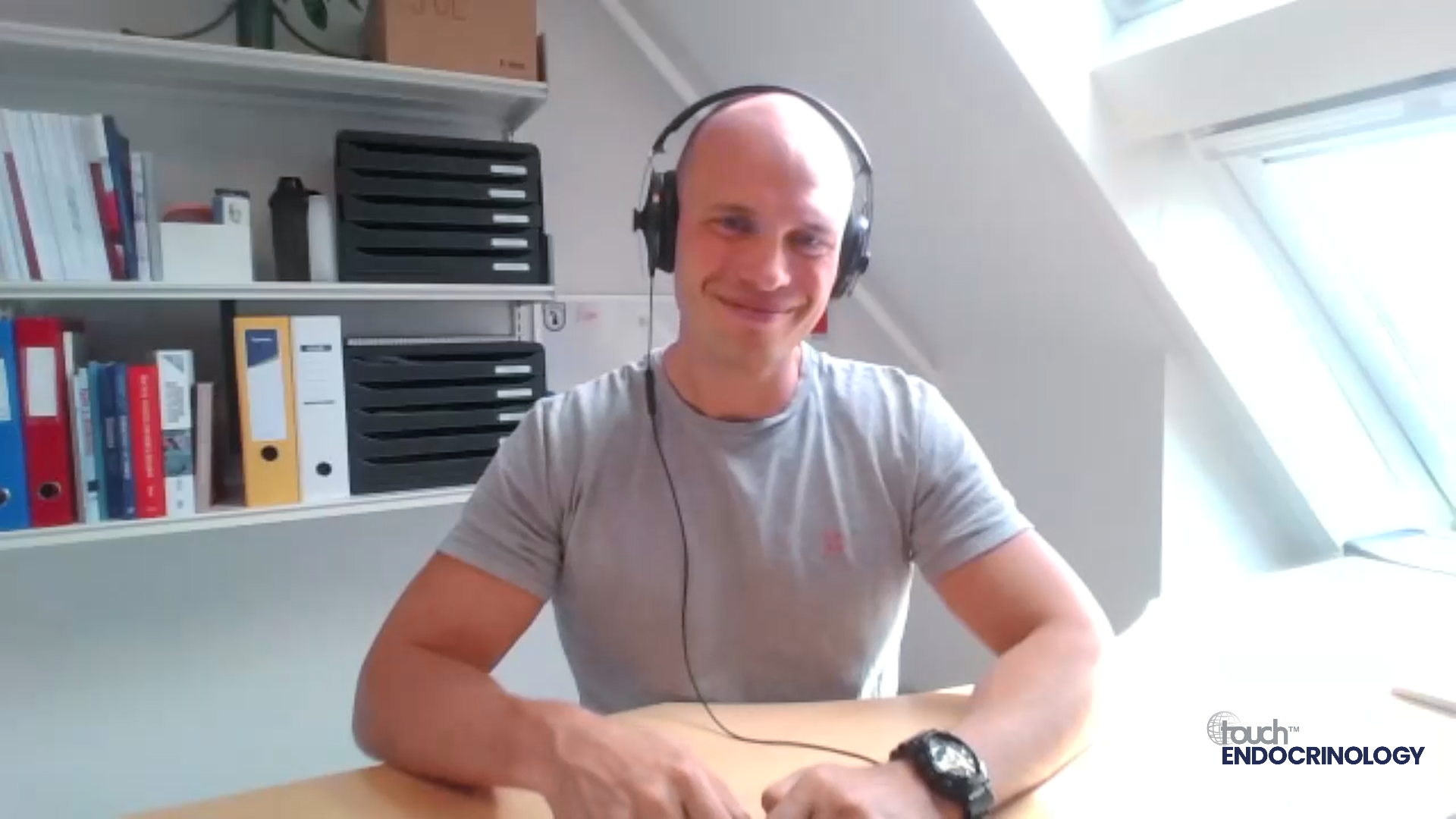
Dapiglutide is a once-weekly, subcutaneous dual GLP-1/GLP-2 receptor agonist being investigated for the treatment of obesity. This first-in-class molecule is designed to take advantage of the weight-loss effects of GLP-1 agonist and the additional benefit of a GLP-2 agonist on improving intestinal barrier function and addressing co-morbidities associated with low-grade inflammation seen in obesity.
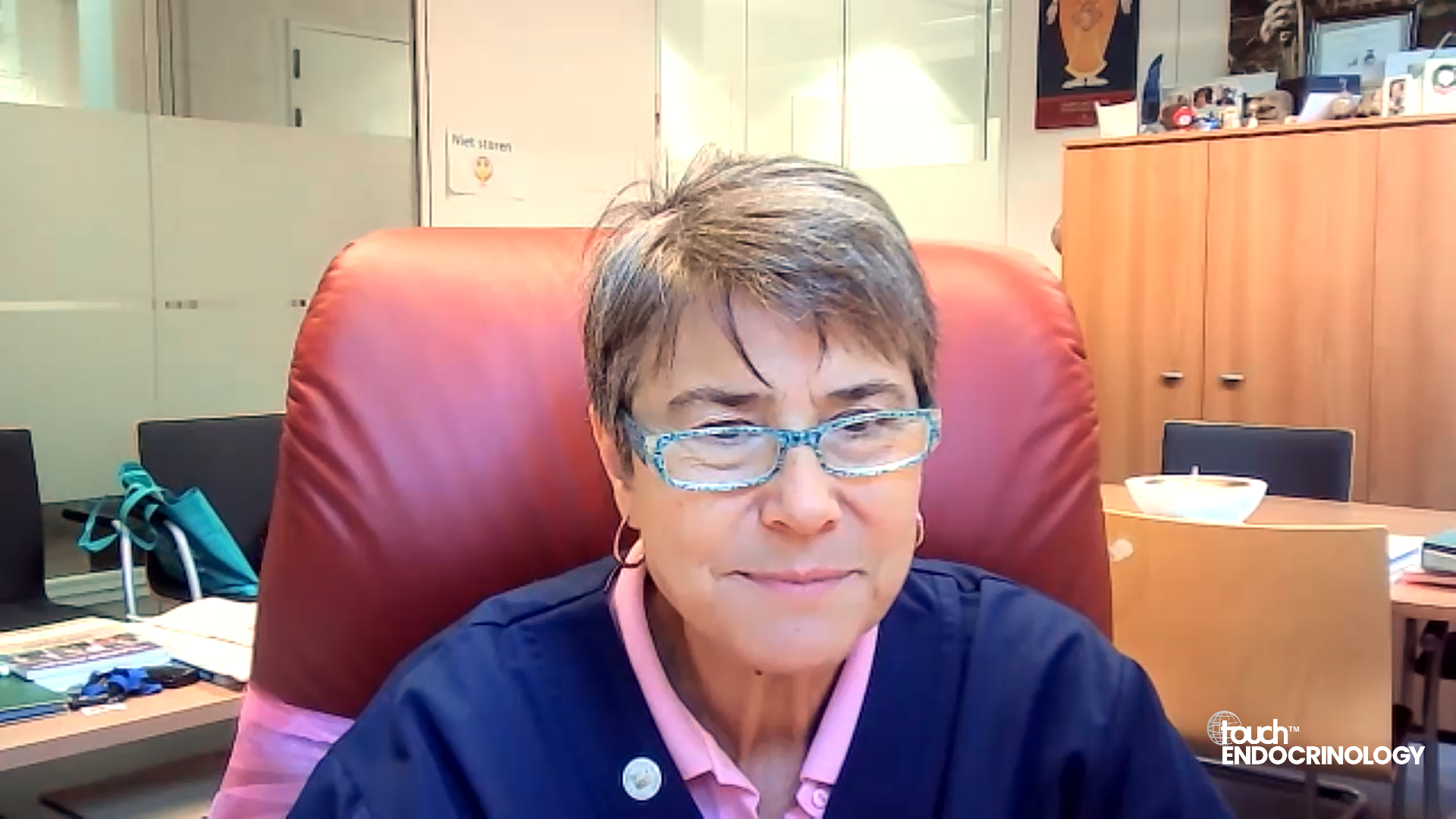
After yet another successful congress, who better to reflect on the highlights than the current EASD President, Prof. Chantal Mathieu? In this interview, we explore the packed agenda, discussing everything from the prestigious prize lectures to ground-breaking research. We explore some of the most exciting data presented, including advancements in long-acting insulins, novel technologies and islet transplantation). We also touch on pivotal type 1 diabetes research (T1D), and a crucial call to action for addressing cardiovascular comorbidities in this patient population.

The FINE-HEART program aimed to evaluate the safety and efficacy of finerenone, a non-steroidal mineralocorticoid receptor antagonist (MRA), in key patient populations with type 2 diabetes, chronic kidney disease, and heart failure. By pooling data from three major Phase III trials—FINEARTS-HF, FIDELIO-DKD, and FIGARO-DKD—this comprehensive analysis sought to provide a clearer understanding of finerenone’s effects on cardiovascular mortality, renal outcomes, and hospitalizations for heart failure. The study also focused on subgroups based on diabetes control, offering valuable insights into its potential role in patients with coexisting conditions.

The latest clinical evidence surrounding the MiniMed 780G system focuses on expanding its access to younger children with type 1 diabetes. The hope is that by extending its use to children aged 2-6 years, its automated insulin delivery could significantly reduce the burden of diabetes management for families.

 touchENDOCRINOLOGY
Register Now!
Explore the latest in medical education and stay current in your field. Create a free account to track your learning.
- Save your progress for video
- Keep track of your CME credits
- Add personalised learning notes
- Receive updates from course leaders and faculty
- Be the first to hear about new and exciting interactive learning opportunities
Log into your Touch Account
Keep track of your clinical interests and newsletter subscriptions.
Sign up with an Email
Or use a .
Register now for FREE access
Already registered? Login below.
