
Search Results
114 Results Found for “lean diabetes”

In this interview at EASD 2026, Professor Kirsi Pietiläinen discusses SYNCHRONIZE-1 findings on survodutide, its effects on body composition and liver fat, and the potential of dual glucagon and GLP-1 receptor agonism in obesity and MASLD.

Cardiovascular–kidney–metabolic (CKM) syndrome is a term coined to highlight the close associations among type 2 diabetes mellitus (T2DM), obesity, renal disease and cardiovascular disease (CVD) and to enhance an integrated clinical care model for patients. The novel framework ...

Glucagon-like peptide-1 receptor agonists (GLP-1RAs) and GLP-1RA-based therapies are currently considered to be one of the most attractive classes of medications for managing type 2 diabetes (T2D) because of their impressive weight loss properties, glycated haemoglobin (HbA1c) ...

Urinary lithogenesis processes are activated in patients with obesity, metabolic syndrome (MetS), and type 2 diabetes (T2D). This is a relatively unfamiliar topic among endocrinologists. Beyond the epidemiological evidence accumulated over the recent years, the purpose of this paper is ...

GLP-1 receptor agonists have been a standout development this year, reshaping the treatment of type 2 diabetes and obesity. In this expert perspective, Glenn D Braunstein highlights their expanding benefits, from weight loss and cardiometabolic protection to emerging dual- and tri-agonist therapies, while also addressing key challenges as these agents move rapidly into mainstream clinical practice.

Welcome to the latest edition of touchREVIEWS in Endocrinology, which features a diverse selection of editorials, reviews and original research articles that highlight both the progress and the ongoing challenges in translating pathophysiological insight into patient-centred care. We begin with ...

The growing convergence of type 2 diabetes (T2D), obesity and dementia represents a pressing public health challenge in ageing populations worldwide.1 Robust epidemiological studies and meta-analyses have consistently shown that T2D is associated with accelerated cognitive decline.1,2 Beyond statistical ...

Gestational diabetes (GD) is a heterogeneous disorder that arises when pancreatic insulin secretion fails to compensate for the insulin resistance of pregnancy. A disbalance in either component, insufficient secretion or excessive resistance, can lead to GD and reflects its variable ...

At EASD 2025, the phase 2 TIRTLE1 trial showed tirzepatide significantly reduced weight, insulin needs and improved glycaemic control in adults with type 1 diabetes and obesity. In this interview, Dr Jennifer Snaith discusses the findings and clinical implications.

Polycystic ovary syndrome (PCOS) is a complex, multisystemic condition characterized by reproductive, metabolic and dermatologic manifestations, including hyperandrogenism and ovulatory dysfunction. Despite its prevalence and significant impact on quality of life, PCOS remains underdiagnosed and poorly managed due to its ...

Article Highlights Early use of sodium–glucose co-transporter-2 inhibitors following myocardial infarction was associated with the following factors: Lower hospitalization for heart failure (odds ratio [OR]: 0.75; 95% confidence interval [CI]: 0.62–0.90; p=0.002). Similar cardiovascular deaths (OR: 1.04; 95% CI: 0.83–1.30; p=0.76). Similar all-cause mortality (OR: 1.00; 95% ...

Polycystic ovary syndrome (PCOS) is the most common endocrinopathy affecting women of reproductive age and is characterized by hyperandrogenism, anovulation and insulin resistance (IR).1 Women with PCOS have a high risk of developing type 2 diabetes (T2D), dyslipidaemia, hypertension and ...
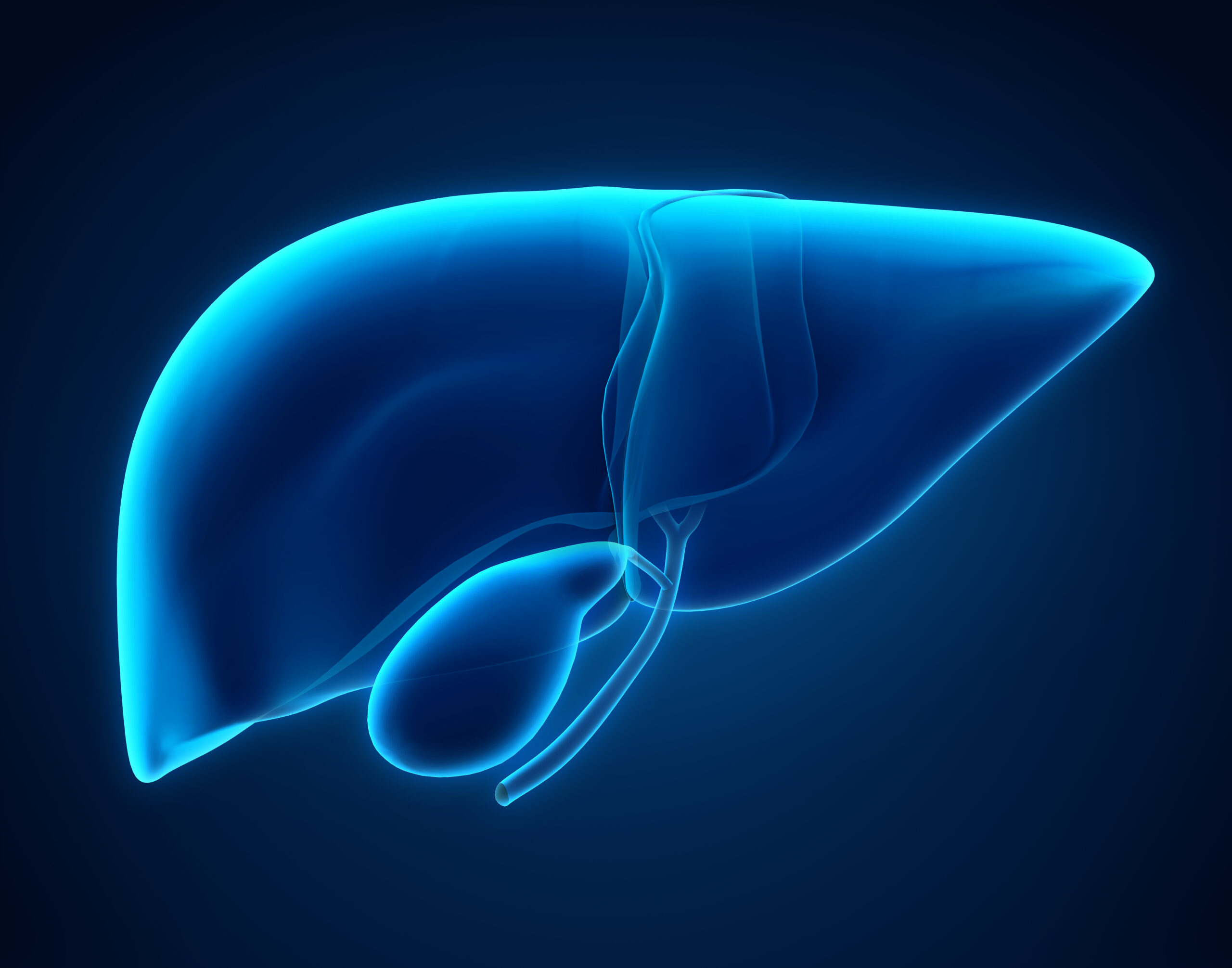
Hepatic steatosis is the liver manifestation of metabolic syndrome and a common cause of chronic liver disease. Nonalcoholic fatty liver disease (NAFLD) diagnosis relies on the presence of hepatic steatosis, defined as >5% fat accumulation in the liver, as observed ...

Dapiglutide is a once-weekly, subcutaneous dual GLP-1/GLP-2 receptor agonist being investigated for the treatment of obesity. This first-in-class molecule is designed to take advantage of the weight-loss effects of GLP-1 agonist and the additional benefit of a GLP-2 agonist on improving intestinal barrier function and addressing co-morbidities associated with low-grade inflammation seen in obesity.

The American Diabetes Association (ADA) 84th Scientific Sessions took place in Orlando, Florida from 21–24 June, offering a wealth of updates and new data in diabetes and related specialties. The touchENDOCRINOLOGY team monitored the event on X to track the trending topics under #ADA2024.
Tirzepatide is a first-in-class novel dual glucose-dependent insulinotropic peptide (GIP)/glucagon-like peptide-1 (GLP-1) receptor agonist (twincretin), formulated as a synthetic peptide containing 39 amino acids based on the native GIP.1 Tirzepatide has a GIP receptor-binding affinity comparable with native GIP and ...

Type 2 diabetes (T2D) continues to pose an ever-greater global health challenge, with 1.31 billion individuals predicted to be living with diabetes globally by 2050; the majority of whom will have T2D.1 Closely linked to T2D is metabolic dysfunction-associated steatotic ...

Obesity defined as abnormal or excessive fat accumulation that presents a risk to health, is a chronic disease linked to metabolic co-morbidities, such as type 2 diabetes mellitus and cardiovascular disease, a reduced life expectancy, economic burden and reduced quality of ...
Log into your Touch Account
Keep track of your clinical interests and newsletter subscriptions.
Sign up with an Email
Or use a .
Register now for FREE access
Already registered? Login below.
