
Search Results
188 Results Found for “cognition”

Welcome to the latest edition of touchREVIEWS in Endocrinology, which features a diverse selection of editorials, reviews and original research articles exploring current developments in endocrine and metabolic care, from evolving diagnostic approaches to advances in treatment and the challenges ...

Diabetes mellitus, a multifactorial, chronic and progressive metabolic disorder primarily caused by elevated blood glucose levels, is a growing global health epidemic and a leading cause of adult mortality.1,2 By 2030, global diabetes prevalence is estimated to rise to 7,079 per 100,000 individuals, ...
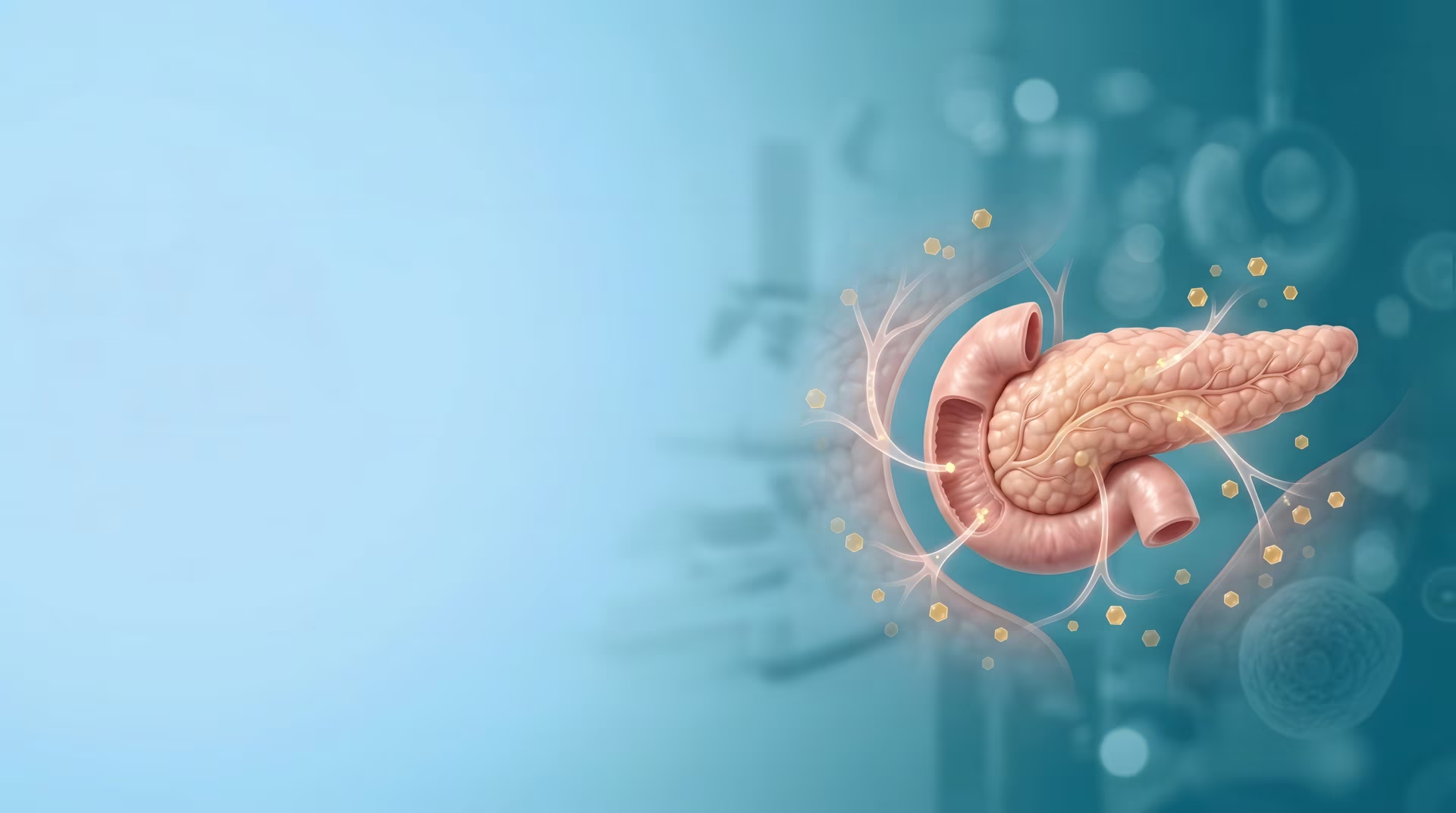
Youth-onset type 2 diabetes is increasingly common in the USA, with incidence exceeding that of type 1 diabetes among 15–19-year-old adolescents and prevalence projected to increase by 673% by 2060.1,2 This growth is particularly worrisome due to the severity of youth-onset type 2 diabetes, which ...

We are delighted to announce Dr Stefano Passanisi as a touchENDOCRINOLOGY Future Leader 2026, recognized by peers as an emerging leader in pediatric endocrinology. Dr Stefano Passanisi is a pediatrician and clinical researcher at the University Hospital of Messina, Italy. Working ...

We are delighted to announce Dr Rimesh Pal as a touchENDOCRINOLOGY Future Leader 2026, recognized by his peers as an emerging leader in endocrinology and metabolic bone research. Dr Rimesh Pal is Associate Professor of Endocrinology at the Postgraduate Institute of ...

In this touchENDOCRINOLOGY Future Leader 2026 Q&A, Dr Qilin Zhang reflects on the experiences that have shaped his career across endocrinology, neurosurgery, and translational research. He discusses collaboration, balancing clinical and academic priorities, and how precision approaches are helping redefine the future of pituitary tumor management.

Recognized as a touchENDOCRINOLOGY Future Leader 2026, Dr Leen Antonio discusses mentorship, research, and the role of clinician-scientists in advancing evidence-based endocrine care.
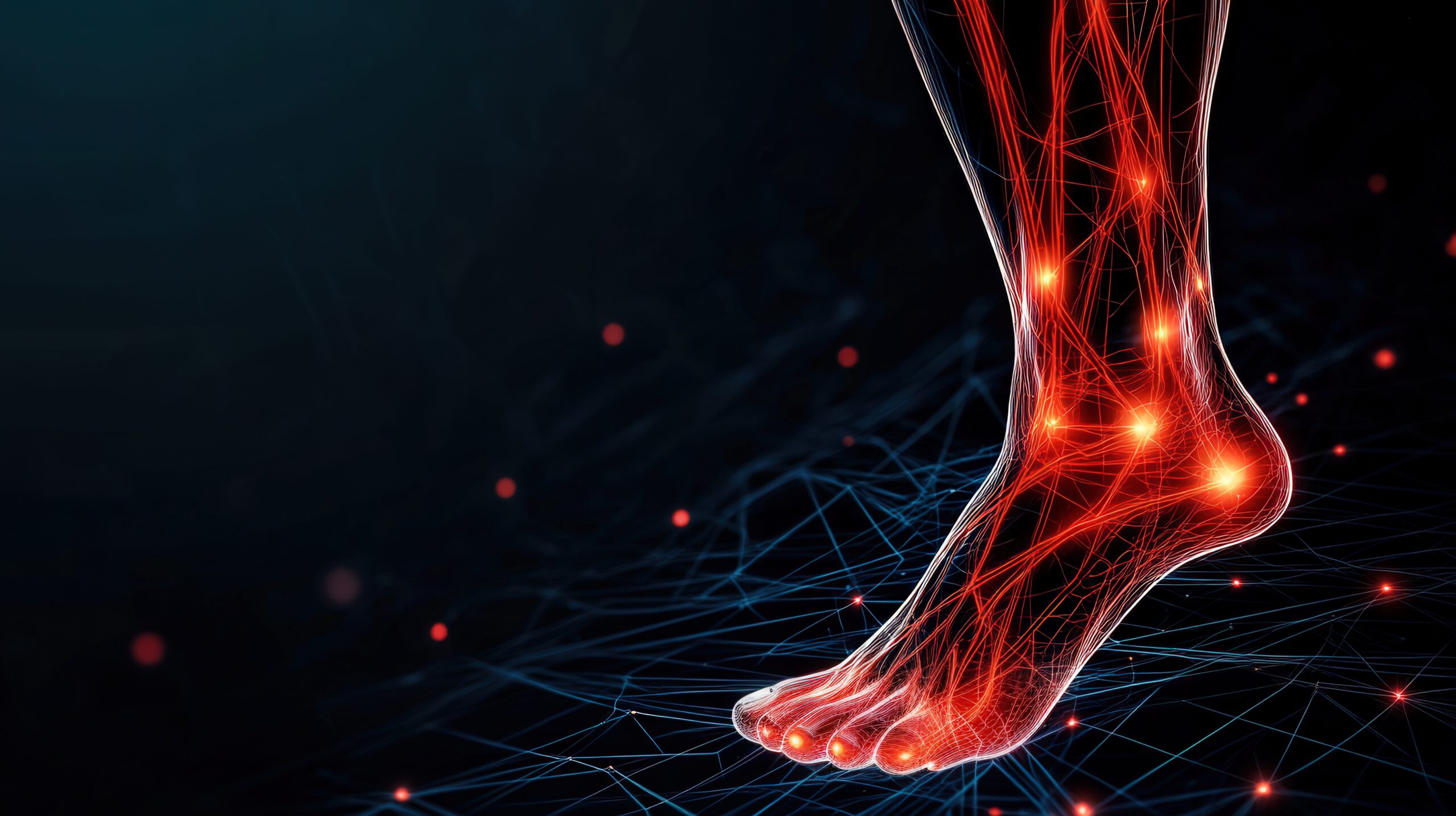
Peripheral neuropathy is a common and clinically heterogeneous condition resulting from damage to the peripheral nervous system, affecting sensory, motor and autonomic fibers.1 Its diagnostic complexity stems from a broad spectrum of etiologies, including metabolic, autoimmune, infectious, toxic, neoplastic and ...

In this interview, Diana Isaacs shares her highlights from the 2026 AACE Annual Meeting, discussing key advances in diabetes management, obesity treatment and diabetes technology, alongside emerging priorities for future endocrinology research and guideline development.

DiaLeb’s annual panel explored women’s diabetes care, highlighting lived experience, visibility, and the need to move beyond tokenism toward genuine co-creation in shaping more equitable, responsive health systems.


February is Rare Liver Diseases Month, bringing global attention to policy, education and advocacy needs surrounding rare liver conditions. During this month, the Global Liver Institute leads its annual #RareAware campaign to highlight the importance of early detection and access to care. With more than 100 rare liver diseases often going unrecognised, greater awareness helps patients receive timely support and empowers families to make informed decisions and advocate confidently for their care.

Highlights Autoantibodies refine autoimmune thyroid disorder diagnosis and risk. Thyroid-stimulating hormone receptor antibody predicts relapse, severity and foetal impact. Thyroid peroxidase antibody and thyroglobulin antibody linked to fertility outcomes. Novel antibodies expand thyroid autoimmunity scope. The interplay between immunology and ...

touchENDOCRINOLOGY Future Leaders 2026 Following the successful introduction of touchENDOCRINOLOGY Future Leaders 2025, we are delighted to announce that nominations are now open for the 2026 edition. This initiative celebrates the next generation of endocrinology pioneers, those whose passion, dedication and innovative ...

There is no doubt that artificial intelligence was one of the fastest-moving technologies of 2025. Advances in predictive analytics, pattern recognition across large datasets, and the integration of genomic, phenotypic and real-world data are already beginning to reshape how clinicians diagnose disease, stratify risk and personalise care. We asked some of the experts that have collaborated with touchENDOCRINOLOGY what excites them most about AI and how they see it influencing clinical practice.

In this episode, Nicky speaks with Prof. Georgina Ellison-Hughes from King’s College London about the groundbreaking field of senolytics and their potential to advance the treatment of age-related diseases. From understanding the science behind cellular senescence to how senolytic drugs work and what early clinical trials reveal, this episode explores an exciting frontier in longevity medicine.

The EndoCompass Research Roadmap unites Europe’s endocrine community to align research priorities, enhance funding strategies and raise awareness of hormone-related diseases, aiming to transform endocrine science and improve hormone health outcomes.
Log into your Touch Account
Keep track of your clinical interests and newsletter subscriptions.
Sign up with an Email
Or use a .
Register now for FREE access
Already registered? Login below.
